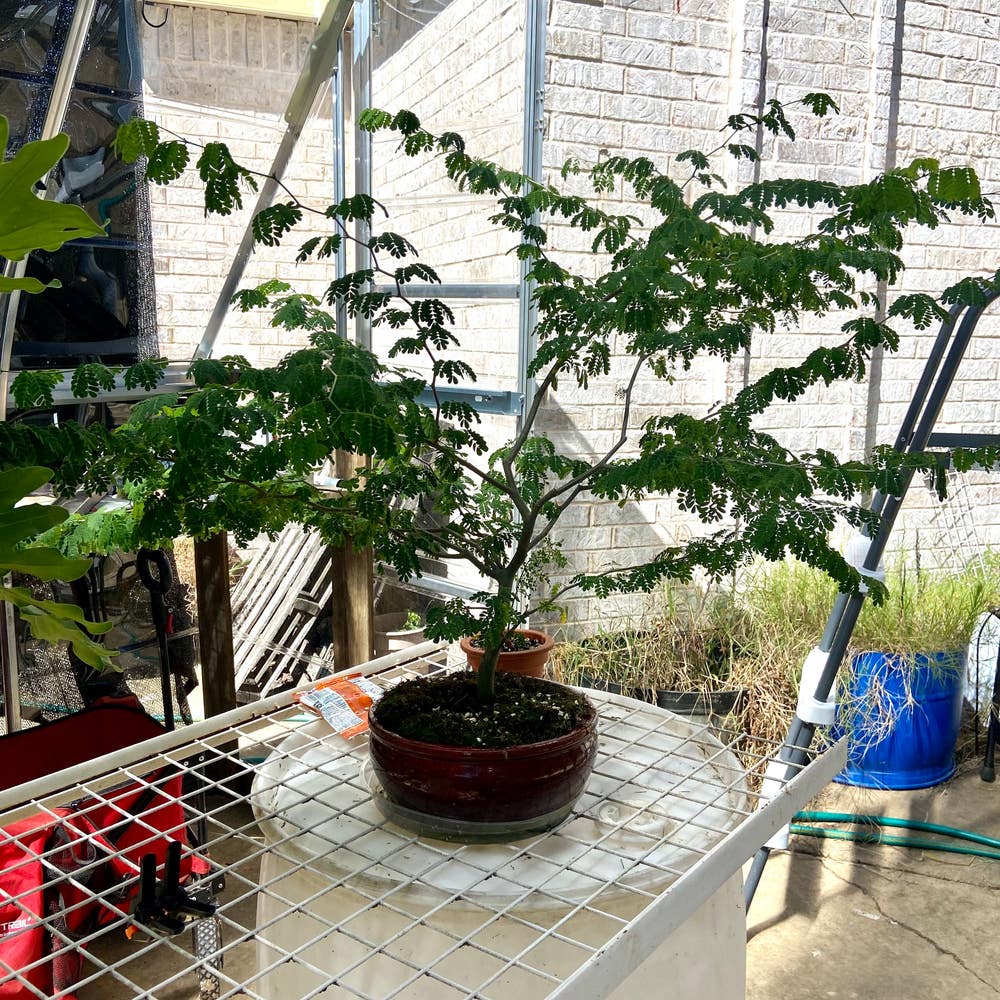
🌳 Ultimate Guide to Fixing Brown Spots on White Cedar
Tabebuia heterophylla
By the Greg Editorial Team
Nov 08, 2024•5 min read
This article was created with the help of AI so we can cover more plants for you. May contain errors. See one? Report it here.
Transform your White Cedar's health and banish brown spots with these essential care tips! 🌿
- 🌳 Brown spots on White Cedar stem from drought, pests, or fungal infections.
- 🦠 Fungal pathogens like Phytophthora are common culprits for brown spots on leaves.
- 💧 Proper watering and nutrient management are vital for preventing brown spots.
Causes of Brown Spots
🌵 Environmental Stress Factors
Drought conditions can significantly affect White Cedar, leading to symptoms like leaf curling and browning at the tips. When moisture is reduced, the tree experiences stress, resulting in unsightly brown spots.
Humidity levels also play a crucial role in the health of White Cedar. Ideally, humidity should be maintained between 40-60% for optimal growth; low humidity can increase transpiration, causing leaf discoloration.
🍄 Fungal Infections
Fungal infections are another common culprit behind brown spots. One of the most notorious pathogens is Phytophthora, which can cause root rot and dark brown or black spots on leaves, often surrounded by a yellow halo.
Conditions that favor fungal growth include overwatering and poor drainage. These factors create an environment where fungi can thrive, leading to further damage to your trees.
🐛 Pest Infestations
Pest infestations can weaken White Cedar, making it more susceptible to brown spots. Common pests include spider mites, which leave webbing and stippled leaves, and aphids, which produce a sticky residue and cause distorted growth.
The impact of these pests can be severe, as they drain the plant's vitality, leading to visible signs of distress like brown spots.
🥦 Nutrient Deficiencies
Nutrient deficiencies are another factor to consider when diagnosing brown spots. Key nutrients like nitrogen and potassium are essential for healthy growth; nitrogen deficiency often results in yellowing leaves and stunted growth, while potassium deficiency can cause browning at the leaf edges.
Soil testing is vital for assessing nutrient levels, allowing you to take corrective measures to restore your White Cedar's health. Regularly checking your soil can prevent these deficiencies from becoming a problem.
Understanding these causes is the first step in addressing brown spots on your White Cedar. By identifying the underlying issues, you can take proactive measures to ensure your trees thrive. Next, we will explore how to diagnose these brown spots effectively.
Diagnosing Brown Spots
🕵️ Identifying Symptoms
Visual inspection is your first step in diagnosing brown spots on White Cedar. Look closely at the leaf color changes; brown spots can indicate specific issues, while overall yellowing might suggest a different problem.
Pay attention to the location of the spots as well. Are they concentrated at the tips, edges, or scattered across entire leaves? This detail can provide crucial clues about the underlying cause.
🔍 Differentiating Between Disease and Environmental Issues
Understanding the pattern of spots is essential. Random distributions may point to pest infestations, while uniform patterns could indicate a fungal disease or environmental stress.
Timing also plays a critical role in diagnosis. Note when the spots appear—do they coincide with seasonal changes or specific environmental conditions? This context can help you pinpoint the issue more accurately.
📋 Importance of Leaf Inspection
Regular monitoring of your White Cedar is vital for early detection of problems. Check for pests, diseases, and overall plant vigor to catch issues before they escalate.
Documentation is equally important. Keeping records of symptoms and treatments not only helps you track progress but also serves as a valuable reference for future care. This proactive approach can make all the difference in maintaining a healthy tree.
With a solid understanding of how to diagnose brown spots, you can move on to exploring effective treatment options.
Treatment Options
🌱 Organic Fungicides
When it comes to tackling fungal issues on your White Cedar, organic fungicides are a solid choice. Neem oil stands out as an effective option against various fungal pathogens, while sulfur-based fungicides offer both preventive and curative properties.
🧼 Insecticidal Soaps
Insecticidal soaps can be a game-changer for managing pests. Spray them directly on affected areas, ensuring thorough coverage for maximum effectiveness. For best results, apply these treatments early in the morning or late in the evening to protect beneficial insects.
💧 Adjusting Watering Practices
Watering practices play a crucial role in plant health. Aim to maintain consistent moisture without waterlogging, targeting soil moisture levels of about 25-30% for optimal health.
🌿 Fertilization Strategies
Fertilization is key to reviving your White Cedar. Consider using slow-release granular fertilizers with balanced NPK ratios for steady nutrient supply. Alternatively, liquid fertilizers can provide quick absorption for immediate needs.
✂️ Pruning Affected Areas
Pruning is essential for removing dead or diseased branches. Use clean, sharp tools to ensure a clean cut, and aim to do this in early spring or late fall for the best results.
By implementing these treatment options, you can effectively address brown spots on your White Cedar and promote its overall health. Next, let’s explore preventive measures to keep your tree thriving in the long run.
Preventive Measures
Best Practices for Watering 🌊
Maintaining a proper watering schedule is crucial for the health of your White Cedar. Aim for deep watering once a week during dry spells to ensure the roots receive adequate moisture.
Adjust your watering frequency based on rainfall and soil moisture levels. This flexibility helps prevent both drought stress and waterlogging, which can lead to brown spots.
Soil Management 🌱
Soil testing is essential for assessing pH and nutrient levels. Understanding your soil's composition allows you to make informed decisions about necessary amendments.
Incorporate compost and organic matter to improve soil structure. These amendments enhance nutrient availability and promote healthy root development.
Regular Monitoring 🔍
Regular inspections are key to early detection of potential issues. Aim for bi-weekly checks during the growing season to catch any signs of stress or disease early.
Addressing problems promptly can prevent them from escalating. Keeping a close eye on your plants ensures they remain vibrant and healthy.
Proper Mulching Techniques 🌾
Choosing the right mulch can significantly benefit your White Cedar. Organic mulches, such as wood chips or bark, are excellent options.
These mulches help retain soil moisture, suppress weeds, and regulate temperature. By creating a stable environment, you can further protect your trees from brown spots and other stressors.
With these preventive measures in place, your White Cedar will be better equipped to thrive. Next, we’ll explore effective treatment options to address any existing issues.
⚠️ Safety First
This content is for general information and may contain errors, omissions, or outdated details. It is not medical, veterinary advice, or an endorsement of therapeutic claims.
Always consult a qualified healthcare professional before using any plant as food, medicine, or supplement.
Never eat any plant (or feed one to pets) without confirming its identity with at least two trusted sources.
If you suspect poisoning, call Poison Control (800) 222-1222, the Pet Poison Helpline (800) 213-6680, or your local emergency service immediately.
Spotted an error? Please report it here.
Keep your White Cedar thriving 🌱 by using Greg's tailored watering reminders and community insights to tackle brown spots and promote vibrant growth!