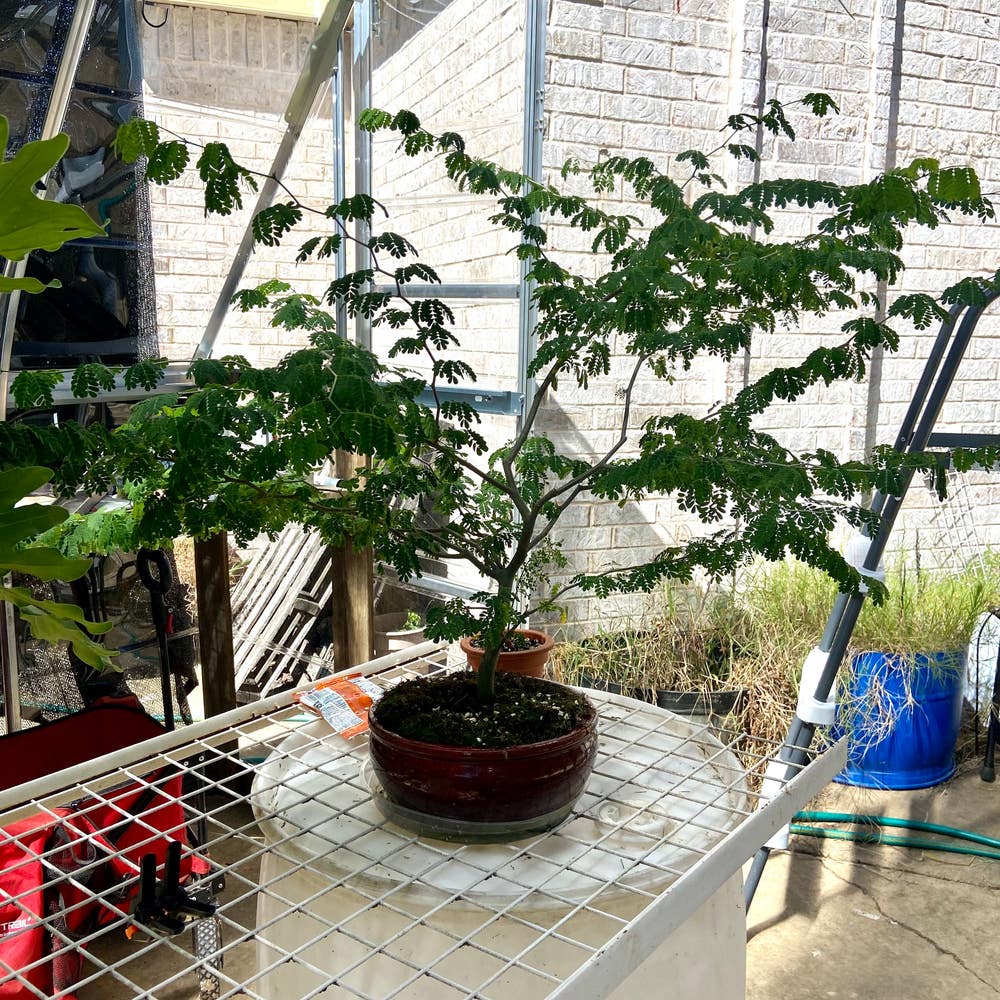
🌳 Understanding What It Means When Your White Cedar Blooms
Tabebuia heterophylla
By the Greg Editorial Team
Nov 25, 2024•5 min read
This article was created with the help of AI so we can cover more plants for you. May contain errors. See one? Report it here.
Uncover the charm of White Cedar 🌲, a resilient tree that thrives without flowers while enhancing your garden's beauty!
- 🌲 White Cedar blooms with cones, not flowers, showcasing a unique reproductive strategy.
- 🌬️ Wind pollinates cones, making White Cedar's reproduction efficient and adaptable.
- 🌿 Year-round greenery and ecological benefits make White Cedar a landscaping favorite.
Flowering Status
Clarification on Flower Production 🌱
White Cedar, unlike many other trees, does not produce traditional flowers. Instead, it relies on small cones for reproduction, which are often overlooked but play a crucial role in its lifecycle.
These cones are pollinated by the wind, making White Cedar a fascinating example of nature's efficiency. While it may lack vibrant blooms, its lush foliage is a standout feature in ornamental gardening, providing year-round appeal and texture.
Understanding this unique reproductive strategy helps gardeners appreciate the beauty of White Cedar beyond conventional flowering plants. Its evergreen nature and subtle cone production contribute to a diverse landscape, showcasing the importance of foliage in creating visual interest.
As we delve deeper into the characteristics of White Cedar, we can explore what happens if it does flower and how that process unfolds.
If White Cedar Does Flower
🌼 Flower Characteristics
Description of Colors and Structure
White Cedar does not produce traditional flowers; instead, it develops small, inconspicuous cones. These cones transition in color from green to brown as they mature, showcasing a subtle yet fascinating transformation.
The structure of these cones features scale-like leaves that contribute to their unique formation. This distinctive appearance is an essential aspect of the White Cedar's reproductive strategy.
Self-Pollination vs. External Pollination
White Cedar relies heavily on wind for pollination, making it a fascinating example of a plant adapted to its environment. While it can self-pollinate, external factors like wind play a crucial role in its reproductive success.
🌸 Blooming Process
Stages of Blooming and Typical Bloom Time
The blooming process of White Cedar involves several stages, starting from bud formation and culminating in cone maturation. Typically, this process occurs from late spring to early summer, marking a vibrant time in the plant's life cycle.
Duration from Bud Formation to Full Bloom
From the initial bud formation to the full maturity of cones, the timeline spans approximately 6 to 8 weeks. This relatively short period highlights the efficiency of the White Cedar's reproductive cycle.
Lifespan of Flowers
Once formed, the cones remain on the tree for several months before dispersing their seeds. This lifespan allows the plant to maximize its reproductive potential and ensure the continuation of its species.
🌱 Encouraging Blooms
Tips to Encourage White Cedar to Bloom
To encourage White Cedar to bloom, focus on providing optimal growing conditions, including adequate sunlight, suitable soil type, and proper moisture levels. Additionally, employing effective pruning techniques can promote healthy growth and enhance blooming.
Factors Influencing Flowering
Several environmental factors influence flowering, such as temperature, humidity, and soil nutrients. The overall health of the plant also plays a significant role in its blooming potential, making care and maintenance essential.
🌳 Post-Flowering
What Happens After the Flowering Period
After the flowering period, the cones mature and begin the seed dispersal process. This stage is vital for the plant's overall health and growth cycle, as it prepares for the next generation.
Discussion on Whether White Cedar Dies After Flowering
It's important to clarify that White Cedar does not die after flowering; instead, it continues to thrive. This resilience allows it to remain a valuable part of its ecosystem, contributing to its surroundings long after the blooming season ends.
As we explore the next section, we'll delve into what happens when White Cedar doesn't flower, highlighting its ornamental features and unique reproductive methods.
If White Cedar Doesn't Flower
🌿 Primary Ornamental or Functional Features
Even without flowers, White Cedar boasts stunning foliage that captivates gardeners year-round. Its rich green color and soft, feathery texture create a lush backdrop in any landscape.
White Cedar is a versatile choice for landscaping. It serves as an excellent hedge, providing privacy and acting as a natural windbreak. Its dense growth habit makes it ideal for creating serene outdoor spaces.
🌱 Explanation of Reproduction Without Flowers
White Cedar has adapted to reproduce without traditional flowers through vegetative methods. Techniques like layering and cuttings allow it to thrive and spread effectively.
These methods are crucial for maintaining healthy populations and ensuring genetic diversity. They enable White Cedar to flourish in various environments, showcasing its resilience and adaptability.
In summary, even without flowering, White Cedar remains a valuable asset in gardens and ecosystems alike. Its unique reproductive strategies and ornamental features make it a beloved choice for many.
Unique Aspects
🌼 Unusual Characteristics Related to Flowering or Non-Flowering Nature
White Cedar plays a vital ecological role in its habitat. Its ability to thrive without traditional flowers allows it to adapt to various environments, providing shelter and food for wildlife.
These trees have developed unique adaptations for reproduction. By relying on wind pollination and producing small cones, White Cedar ensures its survival in conditions where flowering plants may struggle.
📚 Interesting Facts or Trivia About White Cedar's Reproductive Strategy
Historically, Indigenous cultures have utilized White Cedar for various purposes. From crafting canoes to making medicine, this tree has been an essential resource for many communities.
Moreover, White Cedar wood boasts unique properties, such as natural resistance to decay. This makes it a popular choice for outdoor furniture and construction, showcasing its versatility beyond just being a beautiful tree.
⚠️ Safety First
This content is for general information and may contain errors, omissions, or outdated details. It is not medical, veterinary advice, or an endorsement of therapeutic claims.
Always consult a qualified healthcare professional before using any plant as food, medicine, or supplement.
Never eat any plant (or feed one to pets) without confirming its identity with at least two trusted sources.
If you suspect poisoning, call Poison Control (800) 222-1222, the Pet Poison Helpline (800) 213-6680, or your local emergency service immediately.
Spotted an error? Please report it here.
Discover the fascinating journey of your White Cedar 🌲 and let Greg guide you with personalized care tips to help it thrive in your garden!