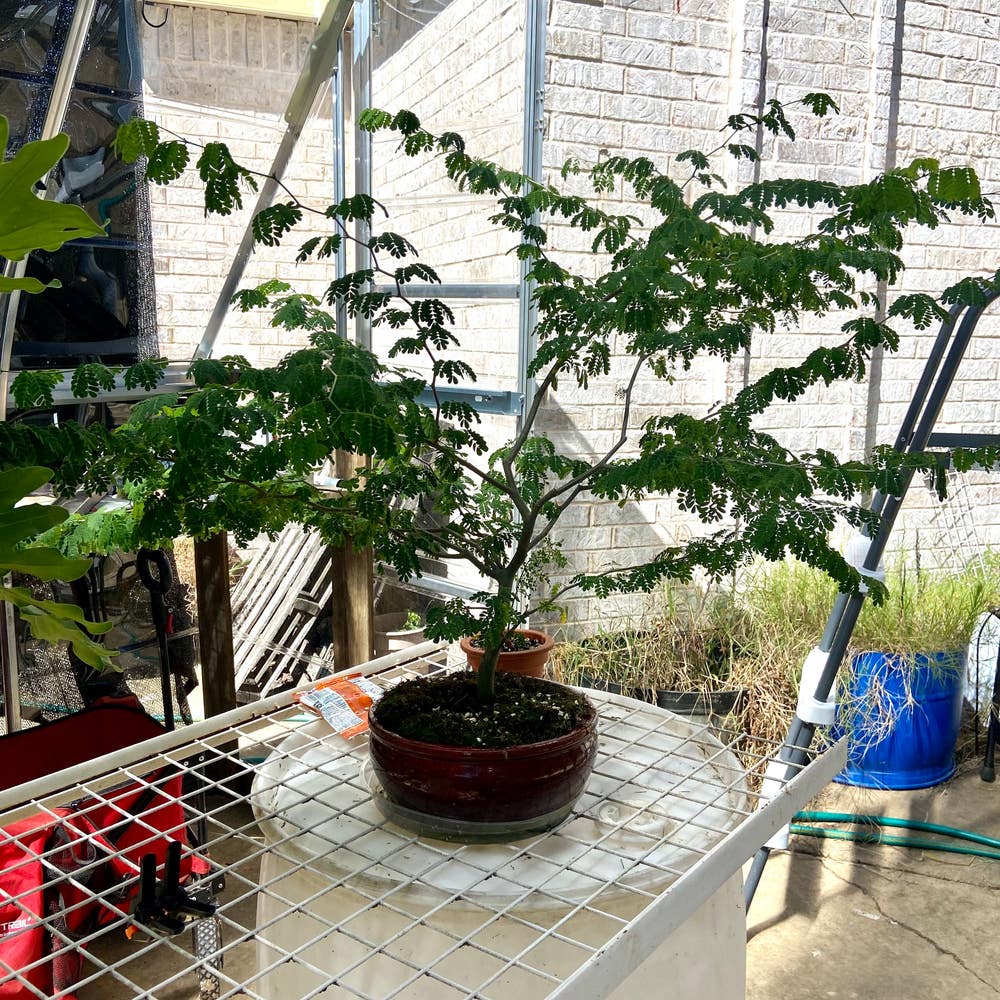
Top 5 Tips for Choosing Soil for Your White Cedar 🥄
Tabebuia heterophylla
By the Greg Editorial Team
Nov 25, 2024•3 min read
This article was created with the help of AI so we can cover more plants for you. May contain errors. See one? Report it here.
Cultivate thriving White Cedar trees 🌲 by mastering the ideal soil mix and health checks for success! 🌱
- 🌱 Well-draining, moisture-retentive soil is essential for healthy White Cedar roots.
- 🌿 Aim for 20-30% organic matter to optimize moisture retention and nutrients.
- ⚖️ Maintain soil pH between 6.0-7.0 for best nutrient availability for White Cedar.
Soil Requirements for White Cedar
🌱 Ideal Soil Composition
To ensure your White Cedar thrives, focus on the ideal soil composition. The soil should be well-draining yet moisture-retentive, allowing roots to access water without becoming waterlogged.
Aim for an organic matter content of 20-30%. This balance helps retain moisture while providing essential nutrients.
Recommended Soil Types
In North America, White Cedar flourishes in native soil types such as sandy loam and loamy soils. These types offer the right texture and drainage capabilities.
When comparing soil types, clay soils tend to retain too much moisture, while sandy soils drain too quickly. Loamy soils strike the perfect balance, making them the best choice for your White Cedar.
⚖️ Recommended Soil pH Levels
For optimal growth, maintain a soil pH between 6.0 and 7.0. This slightly acidic to neutral range is ideal for White Cedar.
Soil pH significantly impacts nutrient availability. A proper pH level ensures that essential nutrients are accessible for uptake by the roots.
🚨 Identifying Unhealthy Soil
Signs of Unhealthy Soil
Recognizing unhealthy soil is crucial for your White Cedar's health. Common indicators include moldy soil, which may appear damp and discolored due to overwatering or poor drainage.
Soil compaction can also be a problem, as it restricts root growth and water movement. Look for signs like hard, crusty surfaces that resist breaking apart.
Unpleasant odors often signal anaerobic conditions, indicating a lack of oxygen in the soil. This can lead to root rot and other issues.
How to Test Soil Health
Testing soil health can be straightforward. Start with a visual inspection to check for pests or diseases that may affect your plants.
You can also perform a soil texture test using the jar method. This simple technique helps analyze particle size and determine the soil's drainage capabilities.
🏡 Creating a Homemade Soil Mix
Ingredients for an Ideal Mix
Creating a homemade soil mix can be rewarding. Key components include peat moss for moisture retention and aeration, perlite or vermiculite to enhance drainage, and compost for nutrient supply and microbial activity.
For an effective mix, aim for a ratio of 2 parts peat moss, 1 part perlite, and 1 part compost. This combination will provide a nutrient-rich environment for your White Cedar.
Step-by-Step Guide to Mixing Soil
- Gather your materials: peat moss, perlite, and compost.
- Measure and mix the ingredients in a large container, following the recommended ratio.
- Ensure the mixture has a uniform consistency and appropriate moisture level.
- Before using the mix, test its pH to confirm it falls within the ideal range.
🛠️ Soil Amendments and Enhancements
Recommended Amendments
To improve soil quality, consider adding amendments. Organic matter like compost, leaf mold, and well-rotted manure can enhance soil structure and nutrient content.
Minerals such as lime can adjust pH levels, while sulfur can increase acidity if needed. Timing and frequency of amendments depend on your soil's specific needs.
How to Incorporate Organic Matter
Incorporating organic matter can be done through various techniques. Tilling mixes organic matter into the soil, while top-dressing adds it to the surface.
Both methods improve soil structure and nutrient retention, benefiting your White Cedar's growth. By enhancing your soil, you create a thriving environment for your trees.
With a solid understanding of soil requirements, you're well on your way to nurturing healthy White Cedar trees. Next, let’s explore how to identify and address any potential soil issues effectively.
⚠️ Safety First
This content is for general information and may contain errors, omissions, or outdated details. It is not medical, veterinary advice, or an endorsement of therapeutic claims.
Always consult a qualified healthcare professional before using any plant as food, medicine, or supplement.
Never eat any plant (or feed one to pets) without confirming its identity with at least two trusted sources.
If you suspect poisoning, call Poison Control (800) 222-1222, the Pet Poison Helpline (800) 213-6680, or your local emergency service immediately.
Spotted an error? Please report it here.
Nurture your White Cedar to new heights 🌳 by using Greg's tailored soil tips and pH reminders to create the perfect growing environment!