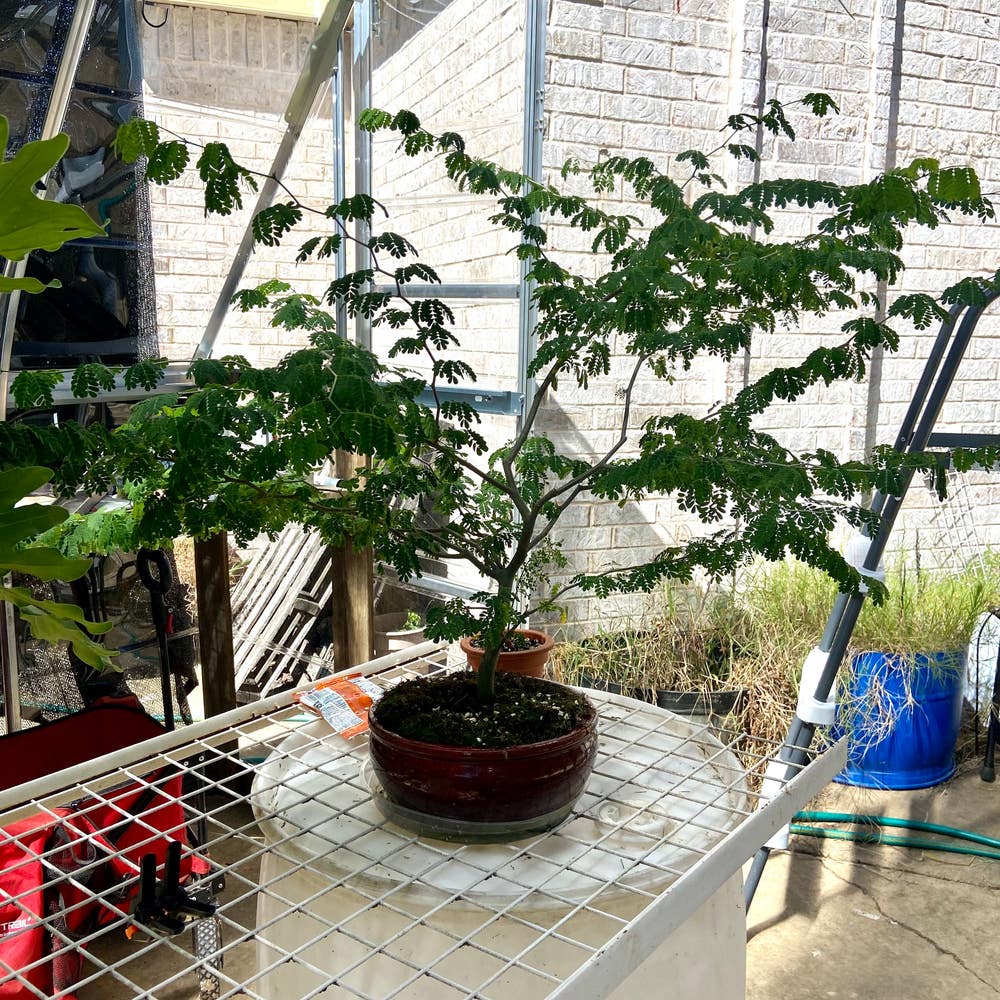
Best Humidity Levels for White Cedar 💧
Tabebuia heterophylla
By the Greg Editorial Team
Nov 25, 2024•4 min read
This article was created with the help of AI so we can cover more plants for you. May contain errors. See one? Report it here.
Unlock your White Cedar's full potential 🌱 by mastering humidity control for vibrant growth and resilience!
- 🌬️ Ideal humidity for White Cedar is 40%-70% for optimal growth and health.
- 💧 Low humidity causes needle browning and increased pest susceptibility. Monitor closely!
- 🌧️ High humidity risks root rot and fungal infections. Balance is key!
Ideal Humidity Levels for Optimal Growth
Maintaining the right humidity levels is crucial for the health of White Cedar. The recommended relative humidity range is between 40% and 70%.
💧 Absolute Humidity Considerations
For optimal moisture retention, aim for absolute humidity levels around 10-20 g/m³. This balance helps ensure that your White Cedar thrives, promoting lush foliage and robust growth.
🌬️ Importance of Humidity Maintenance
Keeping humidity within this ideal range is essential. It not only supports healthy foliage but also enhances the overall vigor of the plant, making it more resilient to environmental stressors.
By understanding and managing these humidity levels, you set the stage for a flourishing White Cedar. Next, let’s explore the effects of low and high humidity on your plant’s health.
Effects of Low and High Humidity
🌵 Low Humidity Effects
Low humidity can wreak havoc on your White Cedar. Symptoms include needle browning, dieback, and a noticeable decline in vigor.
Long-term exposure to low humidity not only affects growth but also increases susceptibility to pests and diseases. Monitoring humidity levels is crucial to prevent these issues.
📏 Strategies to Monitor and Adjust Humidity
To keep your White Cedar thriving, consider using hygrometers to track humidity levels. Regularly check your plant's environment and adjust accordingly to maintain optimal conditions.
🌧️ High Humidity Effects
On the flip side, excessive humidity can lead to serious problems. The increased risk of fungal infections and root rot can threaten your plant's health.
Signs of high humidity stress include wilting leaves, mold growth on the soil surface, and yellowing foliage. It's essential to balance humidity to avoid these detrimental effects.
⚖️ Importance of Balancing Humidity
Maintaining the right humidity levels is vital for your White Cedar's overall health. A balanced environment fosters robust growth and resilience against pests and diseases.
By understanding the effects of both low and high humidity, you can take proactive steps to ensure your plant thrives. Next, let's explore effective strategies for managing humidity levels effectively.
Seasonal Considerations
🌬️ Humidity Variations and Their Impact
White Cedar thrives in specific humidity conditions, and seasonal changes can significantly affect its health. During winter, the air tends to be drier, which can lead to stress for your plants, while summer often brings higher humidity levels that can also pose challenges.
Adjusting your care practices according to these seasonal shifts is crucial. In winter, you may need to increase humidity to combat dryness, while in summer, managing excess moisture becomes essential to prevent issues like root rot.
💧 Adjusting Humidity Strategies
To boost humidity during the winter months, consider using humidifiers or placing pebble trays filled with water near your plants. These methods create a more favorable microenvironment, helping your White Cedar stay healthy and vibrant.
In contrast, during the humid summer months, focus on improving air circulation. Using fans and ensuring proper spacing between plants can help mitigate the risks associated with high humidity, keeping your White Cedar thriving all year round.
By understanding and adapting to these seasonal humidity variations, you can ensure your White Cedar remains healthy and resilient. This proactive approach will set the stage for the next section, where we’ll explore common humidity-related problems and their solutions.
Common Humidity-Related Problems
Identifying Signs of Humidity Stress 🌬️
Humidity levels can significantly impact the health of your White Cedar. Watch for symptoms like needle browning, wilting, and fungal growth, which indicate that your plant is struggling.
Early detection is crucial. The sooner you identify these signs, the better chance you have to mitigate damage and restore your plant's health.
Solutions for Humidity-Related Issues 💧
Addressing low humidity stress can be straightforward. Follow these steps to help your White Cedar thrive:
- Increase humidity using humidifiers or pebble trays to create a more favorable environment.
- Adjust watering practices to prevent further stress; overwatering can exacerbate humidity issues.
- Monitor plant response closely and adjust your strategies as needed to ensure optimal conditions.
For high humidity problems, consider these solutions:
- Improve air circulation with fans to help reduce moisture buildup around your plants.
- Reduce watering frequency and check for root health to prevent waterlogged conditions.
- Use dehumidifiers if necessary to maintain a balanced humidity level.
By implementing these strategies, you can effectively manage humidity-related issues and keep your White Cedar healthy and vibrant. Now, let's explore how seasonal changes can affect humidity levels and plant care.
⚠️ Safety First
This content is for general information and may contain errors, omissions, or outdated details. It is not medical, veterinary advice, or an endorsement of therapeutic claims.
Always consult a qualified healthcare professional before using any plant as food, medicine, or supplement.
Never eat any plant (or feed one to pets) without confirming its identity with at least two trusted sources.
If you suspect poisoning, call Poison Control (800) 222-1222, the Pet Poison Helpline (800) 213-6680, or your local emergency service immediately.
Spotted an error? Please report it here.
Keep your White Cedar thriving 🌿 by maintaining humidity levels between 40% and 70%—let Greg guide you with personalized tips and reminders for perfect plant care!