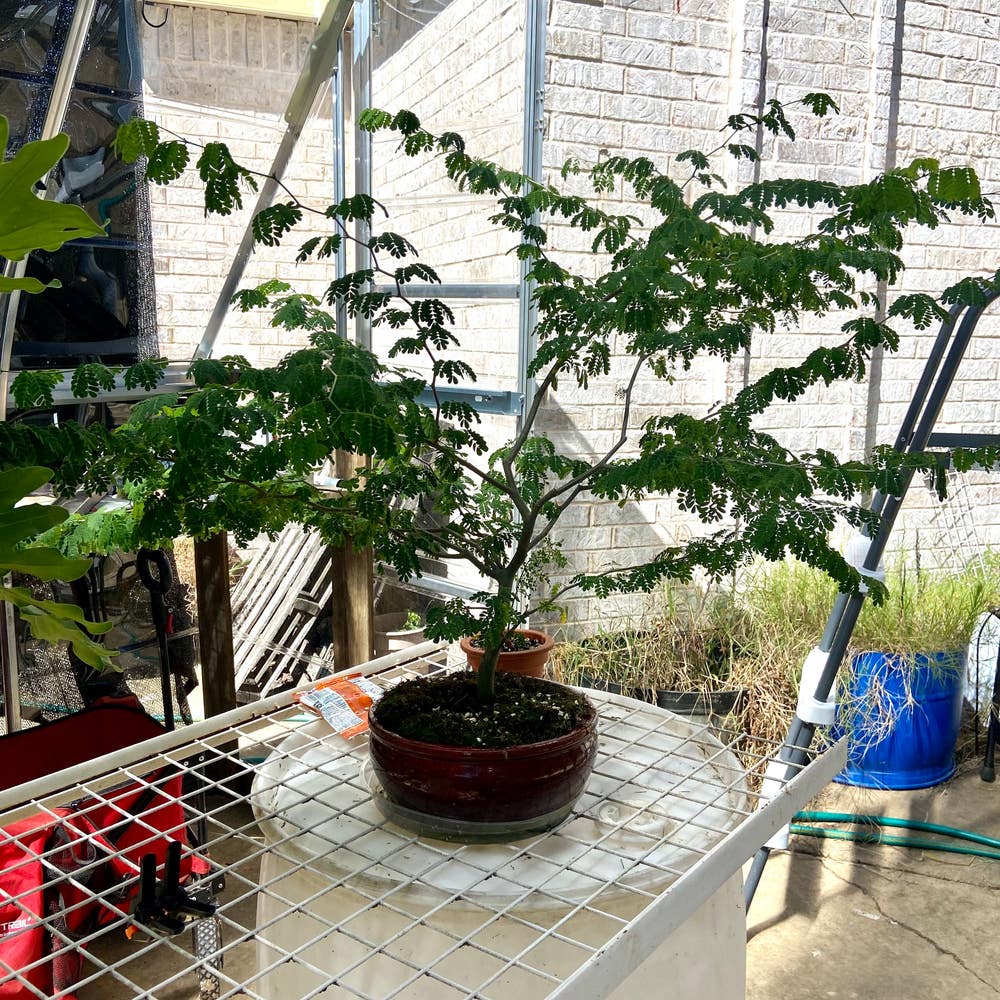
Ultimate Guide for How to Plant White Cedar 🌳
Tabebuia heterophylla
By the Greg Editorial Team
Nov 25, 2024•5 min read
This article was created with the help of AI so we can cover more plants for you. May contain errors. See one? Report it here.
Transform your landscape with expert tips on planting and transplanting White Cedar for stunning results! 🌲
- 🌱 Plant new seedlings for cost-effectiveness, but established ones offer immediate impact.
- 🌞 Optimal planting times are early spring and fall for best growth results.
- 💧 Well-drained, moist soil is essential for healthy White Cedar development.
Planting vs. Transplanting White Cedar
When considering whether to plant new White Cedar or transplant established ones, it's essential to weigh the benefits and drawbacks of each approach.
💰 Cost Considerations
Planting new seedlings generally incurs lower initial costs compared to transplanting. However, established plants may save you time and effort in the long run, as they can provide immediate visual impact.
⏳ Time to Maturity
Newly planted White Cedar takes time to grow and establish. In contrast, transplanting established plants allows you to enjoy their beauty and benefits much sooner, as they are already mature.
🌱 Adaptability to Local Growing Conditions
New seedlings may require more care to adapt to local conditions. Established plants, however, have already acclimated to their environment, making them more resilient to local climate variations.
In summary, both planting and transplanting have unique advantages. Your choice will depend on your specific goals, budget, and timeline for achieving a thriving White Cedar landscape.
Next, let’s explore the optimal timing for planting new White Cedar.
Planting New White Cedar
🌱 Optimal Timing for Planting
The best times to plant new White Cedar are early spring or fall. These seasons offer moderate temperatures that help seedlings establish strong roots.
Consider your local climate conditions and the plant's growth cycle when planning your planting. Timing is crucial for ensuring a healthy start.
🧪 Selecting the Right Soil Mix and Containers
White Cedar thrives in well-drained, moist soils and can adapt to various soil types. Aim for a soil pH between 6.0 and 7.5 for optimal growth.
For seedlings, biodegradable pots are an excellent choice. Ensure that your containers have drainage holes to prevent waterlogging.
📏 Proper Depth and Spacing for Planting
When planting seedlings, place them at the same depth as they were in their original containers. This helps maintain their health and encourages growth.
For privacy hedges, space new plants 3-4 feet apart. If you're creating windbreaks, consider spacing them 5-10 feet apart based on your desired density.
🌿 Tips for Maintaining Ideal Growing Conditions
To keep your White Cedar thriving, water them consistently to maintain moist soil without waterlogging.
These plants prefer full sun to partial shade, ideally receiving 6-8 hours of sunlight daily.
Applying a 2-3 inch layer of mulch around the base will help retain moisture and suppress weeds, creating a nurturing environment.
🌞 Hardening Off Before Outdoor Planting
Before planting outdoors, it's essential to harden off your seedlings.
- Gradually expose them to outdoor conditions over 7-10 days.
- Start with 1-2 hours of outdoor exposure, increasing the time daily.
- Keep an eye out for signs of stress or shock during this acclimatization process.
This gradual introduction helps your seedlings adapt to their new environment, ensuring a smoother transition.
As you prepare to plant your White Cedar, remember that proper timing, soil selection, and care are key to their success. Next, let’s explore how to transplant established White Cedar for those looking to relocate their plants.
Transplanting Established White Cedar
🌱 Optimal Timing for Transplanting
Transplanting established White Cedar is best done in early spring or late fall when the plant is dormant. Avoid these tasks during extreme heat or frost to minimize stress on the plant.
🛠️ Step-by-Step Instructions for Transplanting
Removing the Plant from Its Current Location
- Water the plant thoroughly a day before transplanting to ensure the roots are hydrated.
- Carefully dig around the root zone, maintaining a root ball of at least 12-18 inches in diameter.
- Gently lift the plant from the ground, ensuring the root ball remains intact.
Preparing the New Planting Site
- Choose a location with well-drained soil and adequate sunlight for optimal growth.
- Dig a hole that is twice the width of the root ball and the same depth to accommodate the roots.
- Amend the soil with organic matter if necessary to enhance fertility and drainage.
Ensuring Proper Placement and Spacing
- Place the root ball in the center of the hole, ensuring the top of the root ball is level with the soil surface.
- Backfill with soil, gently tamping down to eliminate air pockets that could hinder root growth.
- Space established plants according to their intended use, typically 3-10 feet apart for optimal growth.
💧 Tips for Watering and Mulching
- Watering: Water the plant immediately after transplanting and maintain consistent moisture in the soil for the first few weeks.
- Mulching: Apply a 2-3 inch layer of mulch around the base to retain moisture and regulate soil temperature, promoting healthy growth.
🏗️ Providing Support for Newly Transplanted Plants
If the plant is tall or in a windy area, use stakes or supports to stabilize it. Remove these supports after the plant has established roots, usually within one growing season.
Transplanting can be a rewarding experience, ensuring your White Cedar thrives in its new home. Next, let’s explore how to troubleshoot common issues that may arise during this process.
Troubleshooting Common Issues
🌱 Transplant Shock Symptoms and Solutions
Transplant shock can be a real concern when moving your White Cedar. Symptoms to watch for include wilting, yellowing leaves, and stunted growth.
To combat these issues, provide extra care. Ensure consistent watering and consider offering shade from intense sun to help your plant recover.
🏡 Addressing Establishment Problems
Establishment problems can arise if your White Cedar isn't adapting well to its new environment. Regularly monitor soil moisture and adjust your watering routine as needed.
Additionally, make sure your plant receives adequate sunlight. Protect it from harsh winds to create a more favorable growing environment.
By staying attentive to these factors, you can help your White Cedar thrive in its new home. Now that you’re equipped to handle these common issues, let’s explore how to ensure your plants are well-prepared for their new surroundings.
⚠️ Safety First
This content is for general information and may contain errors, omissions, or outdated details. It is not medical, veterinary advice, or an endorsement of therapeutic claims.
Always consult a qualified healthcare professional before using any plant as food, medicine, or supplement.
Never eat any plant (or feed one to pets) without confirming its identity with at least two trusted sources.
If you suspect poisoning, call Poison Control (800) 222-1222, the Pet Poison Helpline (800) 213-6680, or your local emergency service immediately.
Spotted an error? Please report it here.
Planting White Cedar can be a rewarding endeavor 🌳, and with Greg's tailored watering reminders and expert care tips, you'll ensure your new plants thrive beautifully in no time!