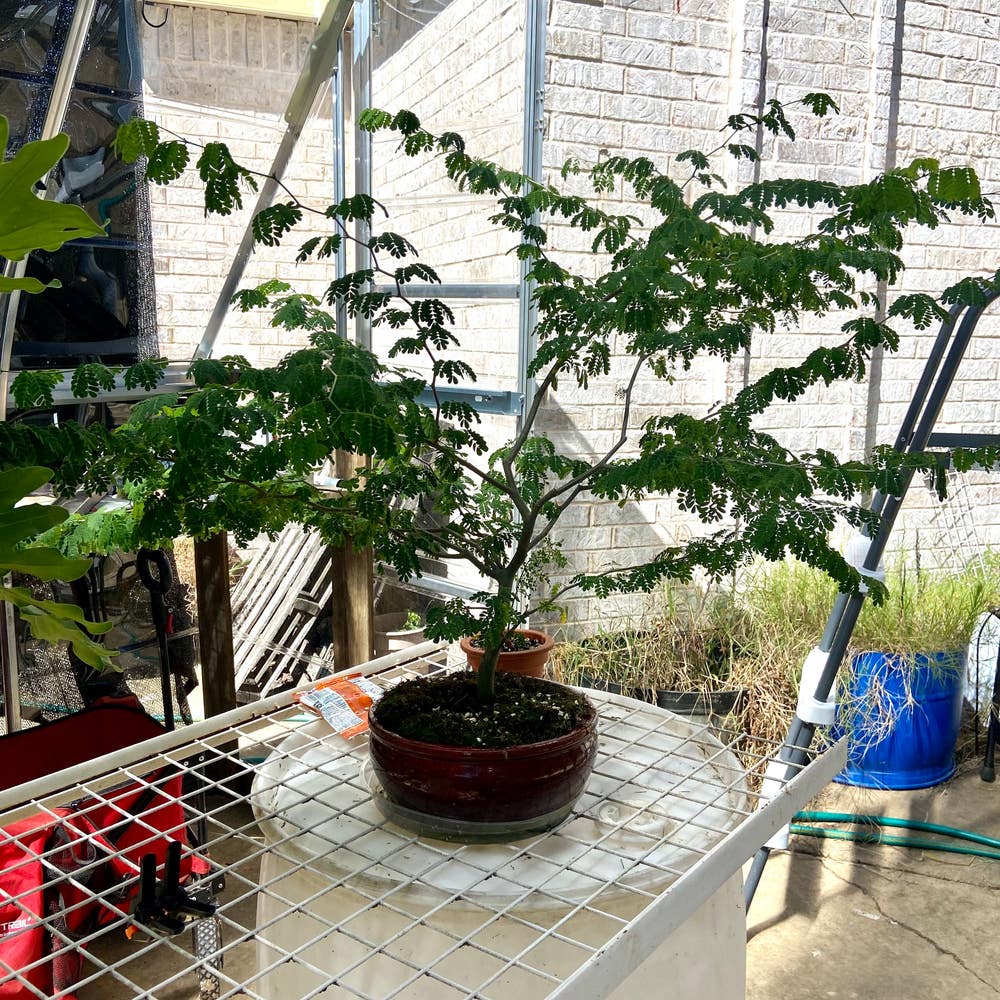
When and How to Water Your White Cedar 💧
Tabebuia heterophylla
By the Greg Editorial Team
Nov 25, 2024•5 min read
This article was created with the help of AI so we can cover more plants for you. May contain errors. See one? Report it here.
Ensure your white cedar thrives 🌲 year-round by mastering essential watering techniques with these expert tips!
- 💧 Water every 1-2 weeks during growth; adjust for weather conditions.
- 🌞 Increase watering in hot, dry weather to prevent plant stress.
- 🌿 Monitor soil moisture regularly to avoid over or under-watering issues.
Ideal Watering Frequency
🌊 General Guidelines
Watering your white cedar is essential for its health, especially during the growing season. Aim to water every 1-2 weeks, but be ready to adjust based on the weather.
In hot, dry conditions, increase your watering to once a week. Conversely, during cool, wet weather, you can reduce the frequency to prevent over-saturation.
🍂 Seasonal Adjustments
As spring arrives and temperatures rise, it's time to kick off your regular watering routine. This sets the stage for healthy growth.
In summer, keep a close eye on your cedar; it may need more frequent watering due to increased evaporation.
As fall approaches, gradually reduce your watering frequency as temperatures begin to drop.
During winter, water sparingly, ensuring the soil remains moist but does not freeze solid. This careful balance helps your white cedar thrive through the seasons.
With these guidelines in mind, you can ensure your white cedar receives the right amount of water throughout the year. Next, let’s explore how to recognize watering issues that could affect your plant's health.
Recognizing Watering Issues
Signs of Over-Watering 🌧️
Over-watering can be just as harmful as under-watering. Look for yellowing leaves, which indicate stress from excess moisture.
If your plant is wilting despite wet soil, it may be a sign that the roots are suffocating. Additionally, inspect the roots; dark, mushy roots are a clear indication of root rot.
Signs of Under-Watering 💧
On the flip side, under-watering presents its own set of challenges. Browning leaf tips are a common indicator that your plant isn’t getting enough moisture.
Dropping leaves can also signal stress due to lack of water. Lastly, if you notice the soil pulling away from the pot edges, it's a telltale sign of dryness that needs your attention.
Recognizing these signs early can help you adjust your watering routine effectively. This proactive approach will keep your white cedar thriving and healthy.
Watering Techniques
🌊 Bottom-Watering Method
Watering from the bottom is a fantastic technique that allows your white cedar roots to absorb moisture gradually. This method is especially beneficial as it encourages deep root growth and prevents over-saturation of the soil.
To implement the bottom-watering method, follow these simple steps:
- Fill a basin or tray with water.
- Place the pot in the water, allowing it to soak for 30 minutes.
- Remove the pot and let any excess water drain away.
This technique not only ensures that the roots get the moisture they need but also minimizes the risk of waterlogging the topsoil.
💧 Self-Watering Pots
Self-watering pots are a game-changer for maintaining consistent moisture levels. These pots come equipped with a reservoir that allows plants to draw water as needed, making them perfect for busy gardeners.
The benefits of using self-watering pots include:
- Reduced risk of over-watering: The reservoir helps prevent excess moisture accumulation.
- Consistent moisture levels: Ideal for hot weather, ensuring your plant stays hydrated.
- Convenience: Great for those who might forget to water regularly.
With self-watering pots, you can enjoy peace of mind knowing your white cedar is getting the care it needs, even when life gets hectic.
Transitioning to the next topic, understanding how to measure soil moisture is crucial for effective watering. Let's explore the best methods to check if your plant is thirsty.
Measuring Soil Moisture
🌱 Checking Soil Moisture Levels
To ensure your white cedar thrives, regularly check the soil moisture. Start with a simple visual inspection; look for signs of dryness or excess moisture.
For a more hands-on approach, try the finger test. Insert your finger into the soil up to 2 inches. If it feels dry, it’s time to water.
🛠️ Tools and Methods
For those who prefer precision, a soil moisture meter is a great tool. It provides accurate readings, taking the guesswork out of watering.
If you’re looking for a DIY method, grab a wooden stick or chopstick. Insert it into the soil; if it comes out dry, your plant is signaling for water.
Understanding soil moisture is crucial for your white cedar's health. By regularly checking moisture levels, you can prevent both over-watering and under-watering, ensuring your plant remains vibrant and healthy.
Next, let’s explore effective watering techniques that will help you maintain optimal moisture levels.
Watering Reminders and Scheduling
📱 Using the Greg Plant Care App
The Greg Plant Care App is a game-changer for plant enthusiasts. This AI-powered tool sends you reminders tailored to your white cedar's specific watering needs.
You can customize alerts based on environmental conditions, ensuring your plant gets the right amount of water at the right time. No more guessing or worrying about your plant's hydration!
🗓️ Creating a Personalized Watering Schedule
When crafting a watering schedule, consider several key factors. Start with the current weather conditions, as they significantly impact how much water your plant requires.
Next, think about the growth stage of your white cedar. Young plants may need more frequent watering compared to established ones. Additionally, take into account the soil type and its drainage capabilities, as this affects moisture retention.
Here’s a simple example schedule to guide you:
- Summer: Check weekly to ensure adequate moisture.
- Spring and Fall: Shift to bi-weekly checks as temperatures fluctuate.
- Winter: Water minimally, focusing on preventing the soil from freezing solid.
By following these guidelines, you can keep your white cedar thriving throughout the year. Now that you have a solid watering routine, let’s explore how to measure soil moisture effectively.
⚠️ Safety First
This content is for general information and may contain errors, omissions, or outdated details. It is not medical, veterinary advice, or an endorsement of therapeutic claims.
Always consult a qualified healthcare professional before using any plant as food, medicine, or supplement.
Never eat any plant (or feed one to pets) without confirming its identity with at least two trusted sources.
If you suspect poisoning, call Poison Control (800) 222-1222, the Pet Poison Helpline (800) 213-6680, or your local emergency service immediately.
Spotted an error? Please report it here.
Water your white cedar like a pro 🌲 with Greg's customized reminders that take the guesswork out of when and how much to water for thriving growth!