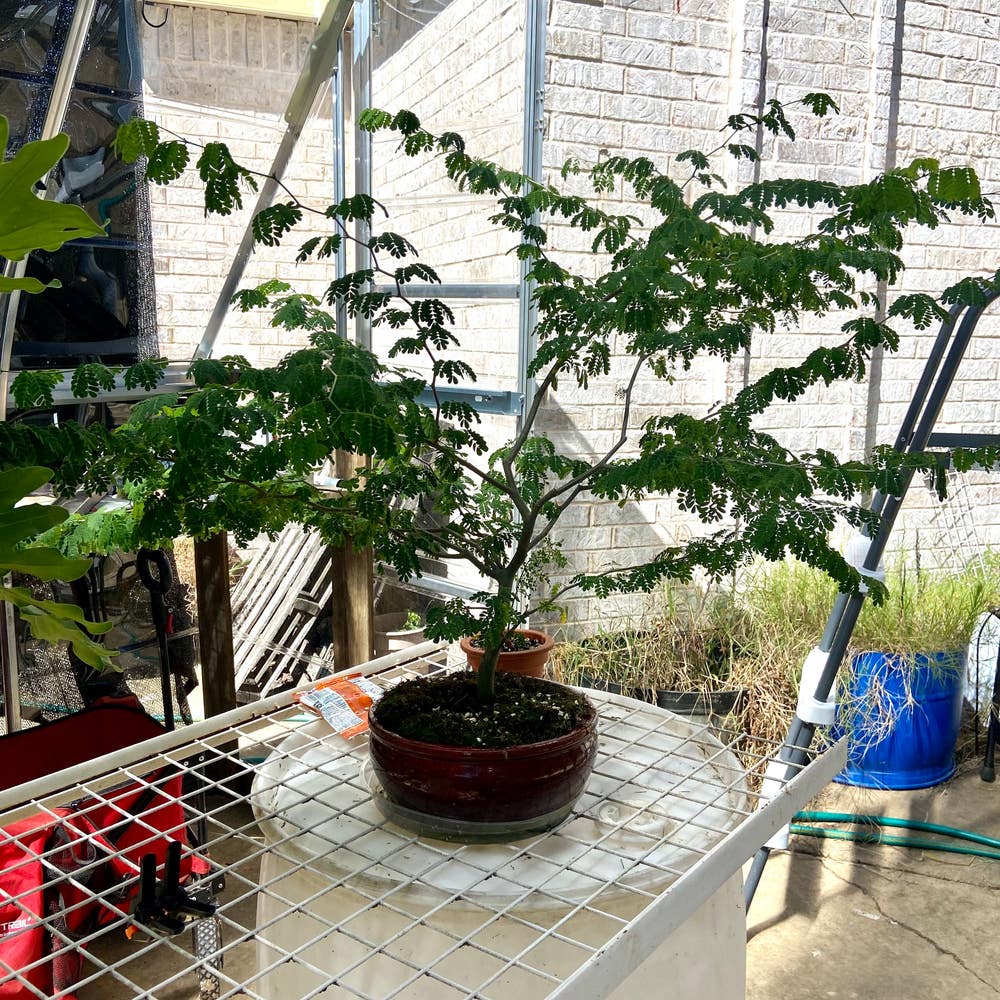
10 Facts About White Cedar Lifecycle
Tabebuia heterophylla
By the Greg Editorial Team
Nov 08, 2024•5 min read
This article was created with the help of AI so we can cover more plants for you. May contain errors. See one? Report it here.
Uncover the vital role of white cedar trees in ecosystems and their remarkable growth journey! 🌱
- 🌱 White cedar seeds germinate in 2-4 weeks under optimal light and moisture conditions.
- 🌳 Mature white cedars reach 40-60 feet in 30-50 years, showcasing impressive growth.
- 🦉 These trees support biodiversity, providing habitat and food for various wildlife species.
Stages of Growth
🌱 Seed and Cutting Stage
Germination Process
The journey of a white cedar begins with its seeds, which are small and winged, designed for efficient dispersal. Germination typically takes place within 2-4 weeks under optimal conditions, marking the start of life for these resilient trees.
Conditions for Successful Germination
For successful germination, white cedar seeds require specific conditions. The ideal temperature range is between 20°C to 25°C (68°F to 77°F), with consistent moisture levels that avoid waterlogging. Additionally, exposure to light plays a crucial role in promoting germination.
🌿 Seedling Stage
Duration of the Seedling Stage
Once germination occurs, the seedling stage lasts approximately 1-3 years before the tree transitions to vegetative growth. This period is vital for establishing a strong foundation for future growth.
Characteristics of Young White Cedar
During the seedling stage, young white cedars typically reach a height of 6-12 inches. Their foliage consists of soft, needle-like leaves that are bright green, while a robust root system begins to develop, anchoring the tree for its future growth.
🌳 Vegetative Growth Stage
Length of Vegetative Growth
The vegetative growth stage is a significant phase that lasts typically 10-20 years, influenced by environmental conditions. This is when the tree truly begins to flourish.
Changes in Size and Structure
During this stage, white cedars experience rapid growth, often increasing in height by 3-5 feet annually. They develop a conical shape, forming a dense canopy, while their bark transitions from smooth to fibrous as they mature.
🌼 Flowering and Seed Production Stage
Timing of Flowering
Flowering generally begins around 10-15 years of age, with the season peaking in late spring to early summer. This is a crucial time for reproduction and the continuation of the species.
Pollination Process
White cedars are primarily wind-pollinated, relying on breezes to carry pollen from male cones to female cones. The structure of these cones is essential for successful reproduction, ensuring the next generation of trees.
Duration and Conditions for Seed Production
Seed production can last several weeks to months, depending on environmental factors. Optimal moisture and temperature conditions are necessary for successful seed development during this time.
Seed Dispersal Mechanisms
Seeds are dispersed through wind and animal-mediated methods, allowing them to spread across various landscapes. Under proper conditions, these seeds can remain viable for several years, waiting for the right moment to germinate.
This comprehensive overview of the stages of growth in white cedar trees highlights their remarkable lifecycle. Understanding these stages provides insight into their resilience and adaptability, setting the stage for a deeper exploration of their growth rate and maturation.
Growth Rate and Maturation
🌱 How Fast Does White Cedar Grow?
White Cedar is known for its impressive growth rate, typically reaching 1-2 feet per year under optimal conditions. This growth can vary; while it's faster than some conifer species, it lags behind others, making it a moderate grower in the forest.
⏳ How Long Until White Cedar is Fully Grown?
Reaching full maturity takes time, with White Cedar generally taking 30-50 years to achieve its full height of 40-60 feet. Several factors influence this maturation period, including environmental conditions like soil quality and moisture, as well as genetic factors inherent to the species.
Understanding the growth rate and maturation timeline of White Cedar is crucial for anyone interested in forestry or landscaping. These insights not only highlight the tree's resilience but also its potential role in sustainable ecosystems. As we explore the next section, we’ll delve into the remarkable lifespan and longevity of this enduring tree.
Lifespan and Longevity
🌳 Average Lifespan of White Cedar
White cedar is a remarkable tree known for its impressive lifespan. It can live for several hundred years, with some extraordinary specimens exceeding 1,000 years.
⏳ Factors Influencing Longevity
The longevity of white cedar is influenced by various environmental conditions. Soil quality, moisture levels, and climate play significant roles in determining how long these trees thrive.
Pest and disease resistance also contribute to their remarkable lifespan. Their natural resilience helps them withstand challenges that might shorten the lives of less hardy species.
Understanding these factors can deepen our appreciation for white cedar and its role in the ecosystem. As we explore its lifecycle, we see how each stage contributes to its enduring presence in nature.
Next, we will delve into the notable changes throughout the white cedar's lifecycle, highlighting its physical transformations and ecological roles.
Notable Changes Throughout Lifecycle
🌱 Physical Changes at Each Stage
The lifecycle of the white cedar is marked by significant physical transformations. As it progresses from seedling to mature tree, you’ll notice a dramatic increase in size, shape, and foliage density.
In the early stages, young white cedars are small, with soft, needle-like leaves. As they mature, their foliage becomes denser and darker, while their overall height can reach impressive levels.
Bark development is another fascinating aspect. Initially smooth, the bark gradually changes to a fibrous texture, often taking on a rich, reddish-brown color as the tree ages. This transformation not only enhances the tree's aesthetic appeal but also plays a role in its resilience against environmental stressors.
🌳 Ecological Roles During Different Lifecycle Stages
White cedars are not just beautiful; they play crucial ecological roles throughout their lifecycle. They provide habitat for various wildlife species, offering shelter and food sources that support biodiversity.
Moreover, these trees contribute significantly to their ecosystems. Their extensive root systems help stabilize soil, preventing erosion, while their foliage aids in moisture retention. This dual role makes white cedars vital players in maintaining healthy ecosystems, showcasing their importance beyond mere aesthetics.
As we explore the growth rate and maturation of white cedar, it’s essential to appreciate how these changes impact their environment and the life forms that depend on them.
⚠️ Safety First
This content is for general information and may contain errors, omissions, or outdated details. It is not medical, veterinary advice, or an endorsement of therapeutic claims.
Always consult a qualified healthcare professional before using any plant as food, medicine, or supplement.
Never eat any plant (or feed one to pets) without confirming its identity with at least two trusted sources.
If you suspect poisoning, call Poison Control (800) 222-1222, the Pet Poison Helpline (800) 213-6680, or your local emergency service immediately.
Spotted an error? Please report it here.
Dive into the incredible lifecycle of white cedars 🌲 and let Greg guide you with tailored care reminders to help your plants thrive just as these majestic trees do!