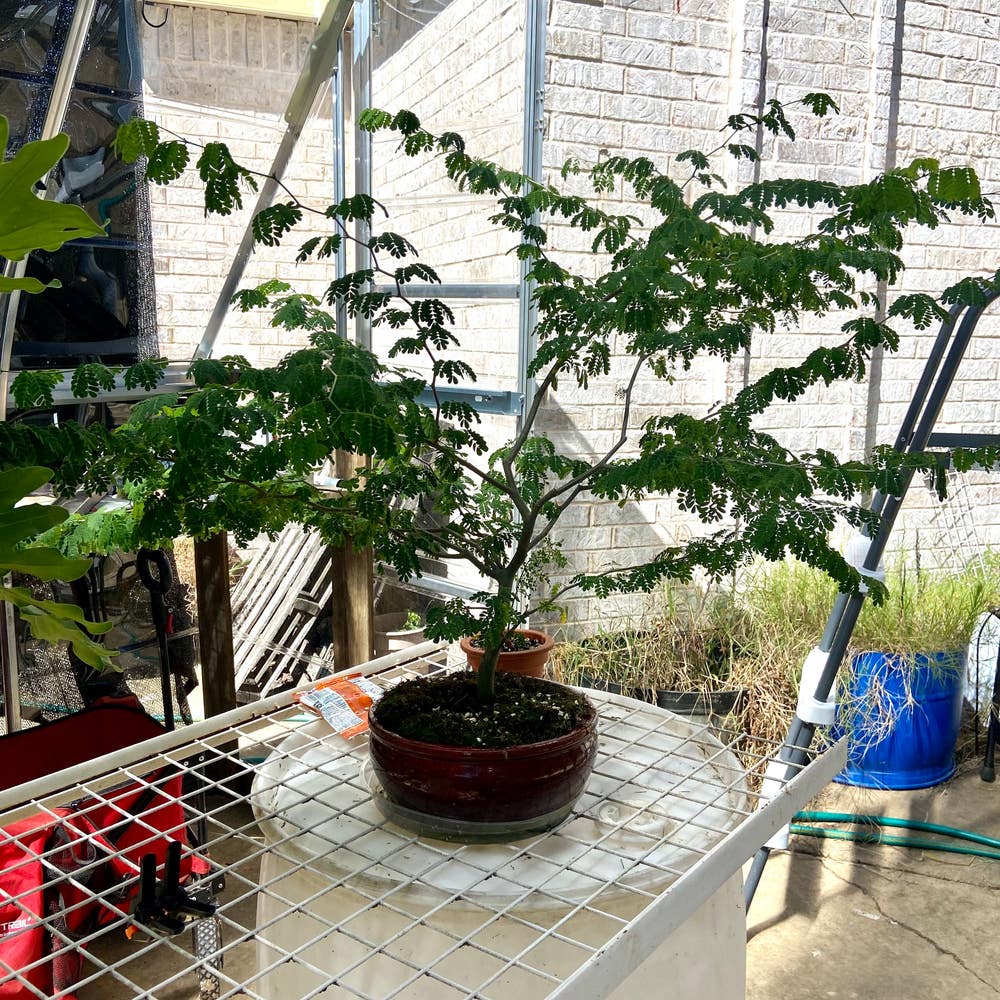
How Big a White Cedar Gets
Tabebuia heterophylla
By the Greg Editorial Team
Nov 08, 2024•4 min read
This article was created with the help of AI so we can cover more plants for you. May contain errors. See one? Report it here.
Unlock the secrets to growing majestic white cedars 🌲 by mastering their growth factors and size control techniques!
- 🌳 White cedars grow 40-60 feet tall; dwarf varieties reach 10-15 feet.
- ☀️ Optimal growth requires full sun and well-drained, moist soils.
- ✂️ Regular pruning promotes healthier growth and maintains desired size.
Mature Height and Spread
Typical Dimensions 🌳
White cedars typically reach a mature height of 40 to 60 feet. Their spread ranges from 10 to 20 feet, making them a substantial presence in any landscape.
Growth Habit 🌲
These trees are known for their characteristic conical shape and dense foliage, which adds to their aesthetic appeal. However, their dimensions can vary significantly based on environmental factors, such as soil quality and moisture levels.
Comparison with Other Varieties 📏
When comparing white cedars to other varieties, you'll find some interesting contrasts. Dwarf varieties only grow to about 10 to 15 feet tall, while giant varieties can exceed 60 feet, showcasing the diversity within this species.
This variability in size highlights the adaptability of white cedars, making them suitable for various landscaping needs. As we explore further, we’ll delve into how growth rates and environmental conditions influence these impressive trees.
Growth Rate and Time to Full Size
Average Growth Rate 🌱
White cedar trees exhibit a moderate growth rate, typically ranging from 12 to 24 inches per year when conditions are optimal. This steady growth allows them to establish themselves as impressive specimens in a relatively short time.
Time to Reach Full Size ⏳
It generally takes about 20 to 30 years for white cedars to reach their full size. This timeframe can vary based on environmental factors, but patience often rewards gardeners with a majestic tree.
Factors Influencing Growth Rate 📈
Several key factors influence the growth rate of white cedars. Soil quality, moisture levels, and sunlight exposure play crucial roles in determining how quickly these trees thrive.
- Soil Quality: Well-drained, moist soils are ideal for optimal growth.
- Moisture Levels: Consistent moisture supports healthy development.
- Sunlight Exposure: Full sun enhances growth, while shaded conditions can hinder it.
Understanding these factors can help you create the best environment for your white cedar, ensuring it flourishes over the years. As you consider planting, keep these growth dynamics in mind to enjoy a thriving tree in your landscape.
Size Variability Based on Conditions
🌍 Environmental Factors
White cedars thrive best in moist, well-drained soils. The type of soil significantly influences their growth, with sandy, clay, and loamy soils each presenting unique challenges and benefits.
☀️ Sunlight and Shade Tolerance
These trees prefer full sun but can tolerate partial shade. However, too much shade can stunt their growth, leading to smaller, less vigorous specimens.
🌦️ Climate and Weather Conditions
White cedars are adaptable to various climates, yet they flourish in temperate zones. Extreme weather conditions, such as drought or excessive moisture, can adversely affect their size and overall health.
Understanding these factors is crucial for anyone looking to cultivate white cedars successfully. By providing the right conditions, you can ensure these trees reach their full potential.
Factors Affecting Size
🌱 Soil Type and Quality
White cedar thrives in moist, well-drained soils, which are essential for optimal growth. Poor soil quality can severely impact both the size and health of the tree, leading to stunted growth and increased vulnerability to pests.
☀️ Sunlight and Shade Tolerance
For the best growth, white cedar requires full sun. When grown in shaded areas, the tree often experiences stunted growth, resulting in a smaller overall size.
🌦️ Climate and Weather Conditions
Local climate plays a significant role in the growth patterns of white cedar. While these trees are adaptable to various weather conditions, their size can be affected by extreme weather events, such as drought or excessive moisture.
Understanding these factors can help you create the ideal environment for your white cedar, ensuring it reaches its full potential. Next, we will explore how to control the size of your white cedar effectively.
Controlling Size
✂️ Pruning Techniques
Pruning is essential for managing the size of white cedar trees. The best time to prune is during late winter or early spring before new growth begins.
Effective pruning techniques include removing dead or diseased branches and selectively thinning out crowded areas. This not only maintains the tree's shape but also promotes healthier growth.
📏 Importance of Pruning
Regular pruning helps keep white cedars within desired dimensions. It encourages denser foliage and a more attractive appearance, making your landscape look well-maintained.
📉 Other Size Control Methods
In addition to pruning, growth regulators can be used to control the size of white cedars. These chemical options can slow growth, allowing for easier management of the tree's dimensions.
🌱 Planting Strategies
Planting strategies also play a crucial role in size control. Proper spacing and positioning can help manage growth effectively, ensuring that each tree has enough room to thrive without becoming overgrown.
By combining these methods, you can maintain the ideal size and health of your white cedar trees, enhancing your landscape's beauty and functionality.
Next, we will explore the various factors that influence the size of white cedars, including soil type and climate conditions.
⚠️ Safety First
This content is for general information and may contain errors, omissions, or outdated details. It is not medical, veterinary advice, or an endorsement of therapeutic claims.
Always consult a qualified healthcare professional before using any plant as food, medicine, or supplement.
Never eat any plant (or feed one to pets) without confirming its identity with at least two trusted sources.
If you suspect poisoning, call Poison Control (800) 222-1222, the Pet Poison Helpline (800) 213-6680, or your local emergency service immediately.
Spotted an error? Please report it here.
Unlock the full potential 🌲 of your white cedars with Greg's tailored care reminders for moisture, sunlight, and pruning, ensuring they thrive beautifully in your landscape!