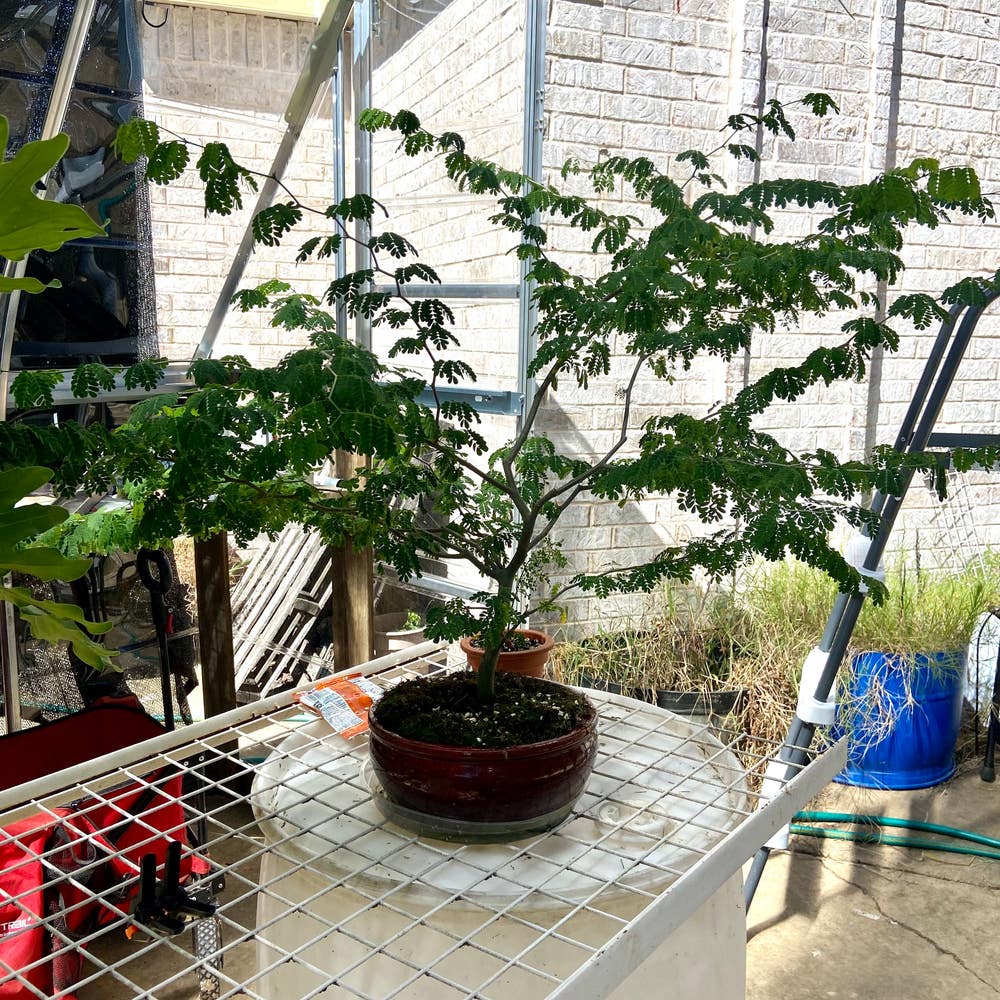
10 Ideal Locations to Plant White Cedar 🌳
Tabebuia heterophylla
By the Greg Editorial Team
Nov 25, 2024•5 min read
This article was created with the help of AI so we can cover more plants for you. May contain errors. See one? Report it here.
Unlock your White Cedar's full potential 🌱 by mastering the art of selecting its ideal planting location! 🌳
- 🌞 White Cedar needs 4-6 hours of sunlight for optimal growth; assess your site!
- 🌱 Moist, well-drained soils with pH 5.0-7.0 are ideal for planting White Cedar.
- 🌬️ Plant 10-15 feet from structures for proper growth and wind protection.
Ideal Locations for White Cedar
🌞 Sunlight Exposure Requirements
White Cedar thrives in full sun to partial shade, making it versatile for various planting conditions. Ideally, it requires 4-6 hours of direct sunlight daily to flourish.
In areas with dappled sunlight or partial shade, White Cedar can still grow effectively. However, insufficient sunlight can lead to stunted growth and sparse foliage, so it's essential to choose a spot that meets its light needs.
🌱 Soil Type Preferences
For optimal growth, White Cedar prefers moist, well-drained soils. The ideal soil pH ranges from acidic to neutral, specifically between 5.0 and 7.0.
This tree is adaptable and can thrive in sandy, loamy, or clay soils, provided that drainage is adequate. Consistent moisture levels are crucial; without them, the health of the tree may suffer.
🌳 Proximity to Other Plants and Structures
When planting White Cedar, consider its space requirements. It typically needs to be 10-15 feet away from structures to ensure ample room for growth.
For effective wind protection, planting in rows can create a natural windbreak. Additionally, companion planting with suitable species can enhance both growth and aesthetics while avoiding competition from aggressive root systems.
🌬️ Wind Protection Needs
Wind protection is vital for White Cedar, as its dense foliage naturally provides windbreaks. Ideal locations include areas near structures or other trees that can offer additional shelter.
Assessing wind exposure is crucial; evaluate the prevailing winds in your planting area. To further shield your White Cedar, consider using barriers or companion plants that can help mitigate strong winds.
🚰 Drainage Requirements
Proper drainage is essential for preventing root rot and promoting healthy growth in White Cedar. The best conditions involve well-drained soils with good aeration.
To assess drainage, conduct a simple test by digging a hole and observing how long it takes for water to drain. If necessary, you can improve soil structure by adding organic matter or sand to enhance drainage.
With these considerations in mind, you're well on your way to selecting the perfect location for your White Cedar. Next, we'll explore how to assess potential planting sites effectively.
Assessing Planting Sites
🌞 Evaluating Sunlight Availability
To ensure your White Cedar thrives, start by assessing sunlight availability. Observe sun patterns throughout the day to identify areas that receive adequate light.
You can also use sunlight meters for precise measurements, but simple observation often suffices. Remember, the amount of sunlight directly correlates with the health and vigor of your plants.
🌱 Analyzing Soil Conditions
Next, analyze the soil conditions where you plan to plant. Conduct pH and nutrient tests to determine the soil's suitability for White Cedar.
A visual assessment is equally important; check for soil texture and moisture levels. Don't forget that organic matter plays a crucial role in enhancing soil fertility and structure.
🌤️ Identifying Potential Microclimates
Microclimates can significantly affect plant growth, so take the time to identify them. Observe local temperature variations between shaded and sunny areas to find the best spots.
Utilize existing landscape features like walls or fences to create favorable microclimates. Planting in these areas can lead to improved growth rates and resilience for your White Cedar.
🚰 Assessing Drainage and Water Retention
Lastly, assess drainage and water retention in your chosen site. Look for signs of poor drainage, such as puddling or waterlogged areas.
To test drainage capacity, dig a hole and measure how long it takes for water to dissipate. Good drainage is essential for the long-term health of your White Cedar, so ensure the soil conditions are right before planting.
With these assessments complete, you’ll be well on your way to selecting the ideal location for your White Cedar. Next, let’s explore the steps to choose the best spot for planting.
Choosing the Best Spot
🌍 Steps to Select the Ideal Location
Choosing the right spot for your White Cedar is crucial for its growth and health. Start by assessing sunlight exposure to determine how much direct sunlight the area receives.
Next, analyze soil conditions by testing for moisture and pH levels. This will help you understand if the soil is suitable for your tree.
Identifying microclimates is also important. Look for sheltered areas that offer favorable conditions, as these can significantly enhance growth.
Evaluate the proximity to structures to ensure there’s adequate space for the tree to thrive. Finally, check drainage to confirm that the soil is well-drained, preventing root rot.
🌱 Factors Influencing Site Selection
Several factors can influence your site selection for planting White Cedar. The local climate plays a significant role, as temperature and humidity variations can affect growth.
Soil characteristics are equally important. Assess nutrient availability and drainage capacity to ensure the tree has the resources it needs.
Landscape design should not be overlooked. Consider aesthetic aspects and how the tree will function within your overall garden or yard layout.
🏙️ Recommendations for Urban vs. Rural Settings
When planting in urban settings, be mindful of limited space and potential pollution factors. These can impact the health of your White Cedar, so choose locations wisely.
In contrast, rural areas often provide more space and natural conditions that are conducive to growth. Take advantage of these benefits for optimal planting.
Tailoring your site selection strategies based on your environment is essential. Adjust your approach to fit the unique challenges and opportunities presented by urban or rural settings.
With these considerations in mind, you’re well on your way to finding the perfect spot for your White Cedar. Next, let’s dive into assessing planting sites to ensure you make the best choice possible.
⚠️ Safety First
This content is for general information and may contain errors, omissions, or outdated details. It is not medical, veterinary advice, or an endorsement of therapeutic claims.
Always consult a qualified healthcare professional before using any plant as food, medicine, or supplement.
Never eat any plant (or feed one to pets) without confirming its identity with at least two trusted sources.
If you suspect poisoning, call Poison Control (800) 222-1222, the Pet Poison Helpline (800) 213-6680, or your local emergency service immediately.
Spotted an error? Please report it here.
Plant your White Cedar in the perfect spot 🌳 with Greg's tailored sunlight and soil reminders, ensuring it thrives beautifully in your garden!