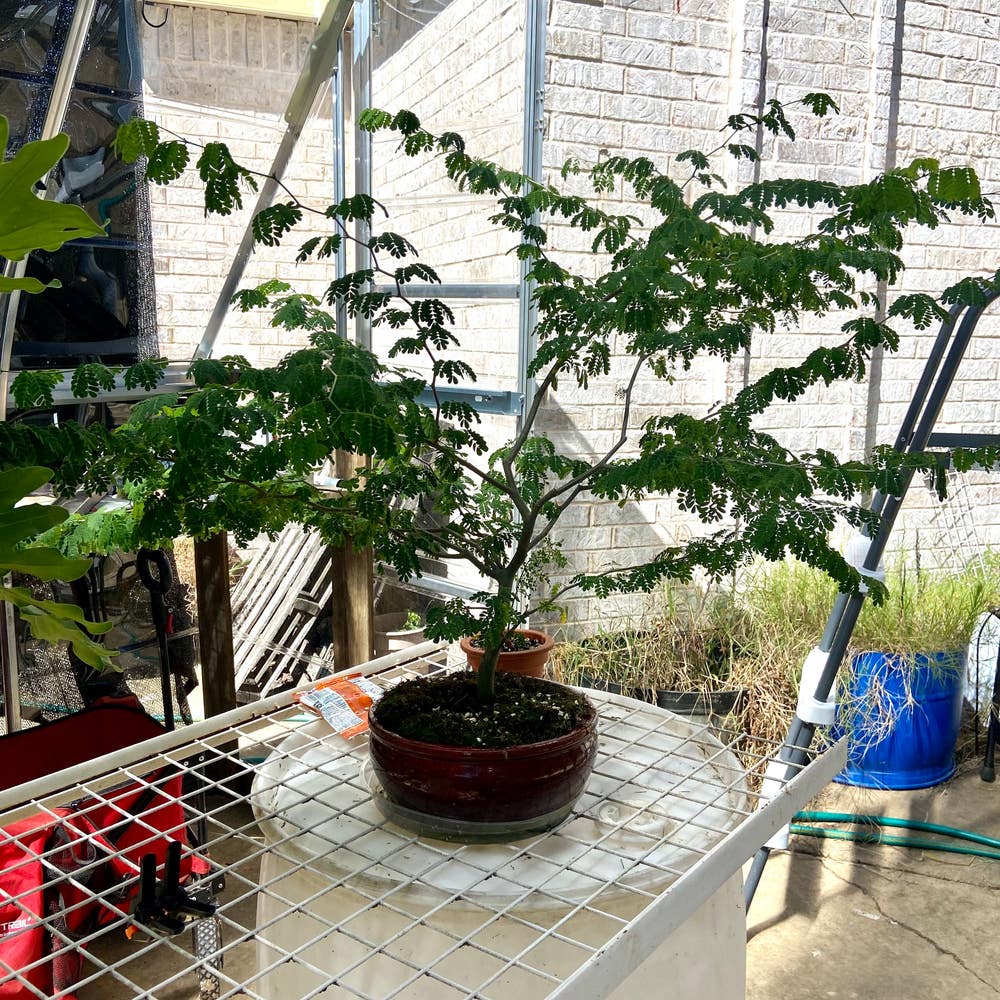
10 Tips for Light Requirements for Your White Cedar ☀️
Tabebuia heterophylla
By the Greg Editorial Team
Nov 25, 2024•6 min read
This article was created with the help of AI so we can cover more plants for you. May contain errors. See one? Report it here.
Master your white cedar's light needs 🌞 to unlock vibrant growth and stunning blooms 🌲 for a flourishing garden!
- ☀️ White cedar needs 6-8 hours of direct sunlight for optimal growth and health.
- 🌱 Signs of inadequate light include leggy growth and yellowing leaves—adjust accordingly!
- 💡 Use grow lights in low-light conditions to ensure healthy indoor growth year-round.
Ideal Outdoor Light Conditions
🌞 Full Sun Requirements
Full sun means your white cedar needs 6-8 hours of direct sunlight each day. This exposure is crucial as it promotes healthy growth and vibrant foliage while enhancing the plant's resistance to pests and diseases.
🌟 Benefits of Full Sun
When your white cedar basks in full sun, it thrives. The result? A robust plant that not only looks great but also stands strong against common threats.
🌤️ Partial Shade Adaptability
Partial shade is defined as receiving 3-6 hours of direct sunlight or filtered light. This condition can be particularly beneficial in certain situations.
🌳 Situations Where Partial Shade is Beneficial
- Protection from Extreme Heat: During scorching summer days, partial shade can shield your plant from harsh sunlight.
- Ideal for Younger or Stressed Plants: If your white cedar is still establishing itself or showing signs of stress, a bit of shade can help it recover.
🏡 Recommended Locations for Planting in Partial Shade
Look for spots that receive dappled sunlight, such as under taller trees or near structures that block the sun during peak hours. These locations can provide the perfect balance of light and protection for your white cedar.
Understanding these light requirements is essential for nurturing your white cedar. With the right conditions, your plant will flourish, setting the stage for the next section on ideal indoor light conditions.
Ideal Indoor Light Conditions
🌞 Sunlight Needs
For your white cedar to thrive indoors, it requires bright, indirect light as its primary light source. This type of light mimics the dappled sunlight found in its natural habitat, promoting healthy growth and vibrant foliage.
Rotating your plant regularly is essential for even light distribution. This simple practice ensures that all sides of the plant receive adequate exposure, preventing uneven growth.
💡 Light Intensity Considerations
Measuring light intensity can be done using light meters, but you can also rely on simple observation. Pay attention to how your plant responds to its environment; it can tell you a lot about its light needs.
Signs of inadequate light include leggy growth, yellowing foliage, and slow overall growth. If you notice these symptoms, it’s a clear indication that your white cedar needs more light to flourish.
By understanding and adjusting to your plant's light requirements, you can create an optimal indoor environment that supports its growth and health. Next, we’ll explore how light conditions influence flowering in your white cedar.
Role of Light in Flowering
🌸 Flowering Characteristics
Light plays a crucial role in the flowering process of your white cedar. Adequate light exposure can significantly enhance flowering potential, leading to more vibrant blooms.
Maintaining optimal light conditions during flowering periods is essential. This ensures that your plants receive the energy they need to produce flowers, ultimately resulting in a healthier and more visually appealing plant.
💡 Impact of Light on Flowering
The amount and quality of light directly influence the timing and abundance of flowers. Insufficient light can lead to fewer blooms and weaker plants, while optimal light conditions encourage robust flowering.
It's important to monitor your plants closely during their flowering phase. Adjusting their light exposure can make a noticeable difference in their overall health and flowering success.
🌞 Practical Tips for Light Management
To maximize flowering potential, consider the following tips:
- Assess Light Levels: Regularly check the light conditions in your planting area.
- Rotate Plants: Ensure even light distribution by rotating your plants periodically.
- Use Reflective Surfaces: Position plants near reflective surfaces to enhance light exposure.
By paying attention to these factors, you can create an environment that supports flourishing blooms.
As we explore the benefits of using grow lights, you'll discover how to maintain ideal light conditions even in challenging environments.
Benefits of Using Grow Lights
When to Use Grow Lights 🌱
Grow lights are essential in situations where natural light falls short. This is especially true in low-light environments or during the winter months when daylight is limited.
For optimal results, consider using different types of grow lights. LED grow lights are a fantastic choice due to their energy efficiency and adjustable spectrum, allowing you to tailor the light to your plants' needs. Alternatively, fluorescent lights work well for seedlings and young plants, providing the gentle light they require to thrive.
Optimal Light Duration ⏰
To ensure healthy growth, it's crucial to provide the right amount of light. Aim for 12-16 hours of light per day when using grow lights.
Establishing a consistent light schedule is vital. This mimics natural conditions, helping your plants flourish and develop robustly. By maintaining this routine, you can create an environment that supports their growth and vitality.
As you explore the benefits of grow lights, remember that they can significantly enhance your indoor gardening experience. Transitioning to the next section, we will discuss common light-related issues and their solutions, ensuring your plants remain healthy and vibrant.
Common Light-Related Issues and Solutions
Signs of Light Stress 🌞
Understanding light stress is crucial for maintaining the health of your white cedar.
Too Much Light
When your plant receives excessive sunlight, it may exhibit symptoms like leaf scorch, where the edges turn brown and crispy. You might also notice faded color and browning tips, indicating that the plant is struggling to cope with the intensity.
Too Little Light
On the flip side, insufficient light can lead to weak, elongated growth as the plant stretches toward the light source. Leaf drop is another common sign, signaling that your white cedar is not getting the energy it needs to thrive.
Solutions for Light-Related Problems 💡
Addressing light-related issues can be straightforward with a few adjustments.
Adjust Plant Placement
Start by repositioning your plant to ensure it receives optimal light exposure. Moving it closer to a window or a brighter area can make a significant difference.
Utilize Sheer Curtains
If your white cedar is getting too much direct sunlight, consider using sheer curtains or shades. These can help diffuse harsh rays while still allowing ample light to filter through.
Implement Grow Light Setup
For indoor plants, especially during darker months, a grow light setup can provide consistent lighting conditions. Aim for 12-16 hours of light per day to mimic natural sunlight, ensuring your white cedar remains healthy and vibrant.
By recognizing the signs of light stress and implementing these solutions, you can create an ideal environment for your white cedar to flourish. This proactive approach not only enhances growth but also enriches your gardening experience.
⚠️ Safety First
This content is for general information and may contain errors, omissions, or outdated details. It is not medical, veterinary advice, or an endorsement of therapeutic claims.
Always consult a qualified healthcare professional before using any plant as food, medicine, or supplement.
Never eat any plant (or feed one to pets) without confirming its identity with at least two trusted sources.
If you suspect poisoning, call Poison Control (800) 222-1222, the Pet Poison Helpline (800) 213-6680, or your local emergency service immediately.
Spotted an error? Please report it here.
Ensure your white cedar gets the perfect light exposure ☀️ with Greg's tailored reminders and tips, so it thrives and blooms beautifully all year round!