🌳 Ultimate Guide to Growing White Cedar
Tabebuia heterophylla
By the Greg Editorial Team
Nov 25, 2024•5 min read
This article was created with the help of AI so we can cover more plants for you. May contain errors. See one? Report it here.
Cultivate stunning white cedar trees 🌳 with essential planting and care tips for a thriving garden!
- 🌞 White cedar needs 6+ hours of sunlight for optimal growth.
- 🌳 Plant near windbreaks to protect young trees from strong winds.
- 💧 Moist, well-drained soil with pH 6.0-7.5 is ideal for white cedar.
Choosing the Right Location
Sunlight Requirements 🌞
White cedar thrives best in full sun to partial shade, requiring at least six hours of sunlight daily. Adequate sunlight is crucial for robust growth and overall health, influencing everything from leaf color to disease resistance.
Wind Protection 🌬️
Providing shelter from strong winds is essential to prevent damage to your white cedar. Consider planting near natural windbreaks, such as trees or buildings, to shield your young trees from harsh gusts that could hinder their growth.
By ensuring your white cedar has the right sunlight and wind protection, you're setting the stage for a healthy, thriving tree. Next, let's explore the importance of soil preparation for optimal growth.
Soil Preparation
🌱 Soil Type and pH Preferences
To ensure your white cedar thrives, start with the right soil. The ideal mix is moist, well-drained loam or sandy soil, which provides the perfect balance of moisture retention and drainage.
Maintaining a pH range of 6.0 to 7.5 is crucial for optimal growth. This slightly acidic to neutral range helps the tree absorb nutrients effectively, promoting healthy development.
🧪 Amendments for Optimal Growth
Incorporating organic matter is a game changer for your soil. Adding compost or well-rotted manure enriches the soil, providing essential nutrients that support robust growth.
If your soil is heavy and compact, consider improving drainage. Mixing in perlite or sand can enhance aeration and prevent waterlogging, ensuring your white cedar's roots stay healthy and happy.
With the right soil preparation, you're setting the stage for a flourishing white cedar. Next, let’s dive into the best planting techniques to give your tree a strong start.
Planting Techniques
Best Planting Techniques 🌱
When planting white cedar, start by digging a hole that is twice the width and the same depth as the root ball. This ensures ample space for the roots to spread out and establish themselves.
Next, position the root ball so that it sits level with the soil surface. This is crucial for preventing water from pooling around the trunk, which can lead to rot.
Finally, backfill the hole with soil, gently packing it around the roots to eliminate any air pockets. This step is vital for ensuring good soil contact and promoting healthy growth.
Spacing Considerations 📏
Spacing is key when planting white cedar. For hedges, plant them 3 feet apart to create a dense barrier. If you're aiming for a specimen tree look, allow for 10 feet between each tree to give them room to thrive.
Container Planting Tips 🪴
If you're considering container planting, choose a pot that is at least 2-3 feet deep with drainage holes. This depth allows the roots to grow comfortably while preventing water from accumulating at the bottom.
For the soil mix, opt for a high-quality potting mix that offers good drainage. This will help maintain the moisture balance that white cedar needs to flourish in a container setting.
With these planting techniques in mind, you're well on your way to establishing healthy white cedar trees. Next, let’s explore the essential watering and fertilizing practices to keep your trees thriving.
Watering and Fertilizing
💧 Watering Requirements
Watering your white cedar is crucial for its health. Aim to water deeply once a week, increasing frequency during hot, dry spells.
Watch for signs of overwatering, such as yellowing leaves and root rot. Conversely, if you notice wilting or browning foliage, your tree may be underwatered.
🌱 Fertilizing
Choosing the right fertilizer can make a significant difference. Slow-release, balanced NPK fertilizers are ideal for promoting healthy growth.
Timing is key; apply fertilizer in early spring, just before new growth begins. This ensures your white cedar has the nutrients it needs to thrive as the growing season kicks off.
With proper watering and fertilizing, your white cedar will flourish, setting the stage for effective pruning and maintenance.
Pruning and Maintenance
🌳 Pruning Techniques
Pruning your white cedar is essential for its health and aesthetics. The best time to prune is late winter to early spring, just before new growth begins.
When pruning, focus on removing dead or damaged branches. This not only improves the tree's appearance but also promotes better airflow and sunlight penetration.
🗓️ Ongoing Care Routine
Maintaining your white cedar involves a seasonal care routine to keep it thriving.
🌼 Spring Care
In spring, fertilize your tree and check for any signs of pests. This proactive approach helps ensure robust growth as the season progresses.
☀️ Summer Care
During the summer months, monitor the watering needs of your cedar. Hot weather can increase evaporation, so be attentive to its moisture levels.
🍂 Fall Care
As fall approaches, apply mulch around the base of the tree. This helps retain moisture and protects the roots from temperature fluctuations.
🐛 Monitoring for Pests and Diseases
Regular inspections are crucial for early detection of pests and diseases. Keeping an eye out for any unusual signs can save your tree from potential harm.
By following these pruning and maintenance tips, your white cedar will not only survive but thrive. This sets the stage for a healthy, beautiful tree that enhances your landscape for years to come.
Next, let's explore the advantages of container growing for those looking to cultivate white cedar in limited spaces.
Container Growing
Advantages of Container Growing 🌱
Container growing offers remarkable flexibility in placement and mobility. This makes it an excellent choice for small spaces or urban gardening, allowing you to adapt your garden to your lifestyle.
Container Selection and Size 🪴
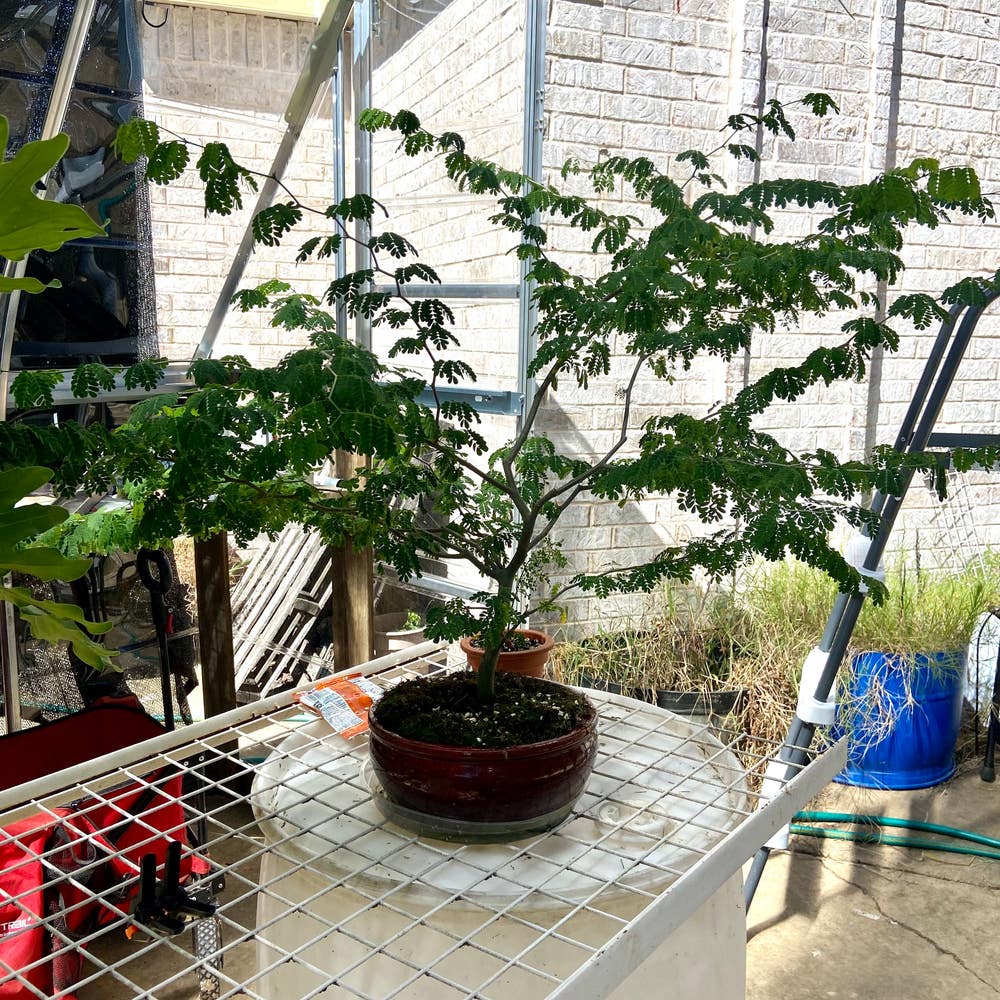
When selecting a container, aim for a size of at least 2-3 feet in diameter to promote healthy root growth. Opt for breathable materials like terracotta or wood, which help prevent root rot and support overall plant health.
Care Tips for Container-Grown Plants 💧
Container plants require regular watering, often more frequent than their in-ground counterparts due to faster drying. Additionally, fertilization should be more frequent, as limited soil nutrients can hinder growth.
By following these guidelines, you can successfully cultivate white cedar in containers, bringing a touch of nature to your urban environment. Next, let’s explore the essential watering and fertilizing techniques to keep your plants thriving.
⚠️ Safety First
This content is for general information and may contain errors, omissions, or outdated details. It is not medical, veterinary advice, or an endorsement of therapeutic claims.
Always consult a qualified healthcare professional before using any plant as food, medicine, or supplement.
Never eat any plant (or feed one to pets) without confirming its identity with at least two trusted sources.
If you suspect poisoning, call Poison Control (800) 222-1222, the Pet Poison Helpline (800) 213-6680, or your local emergency service immediately.
Spotted an error? Please report it here.
Grow your white cedar flourishingly 🌳 with Greg's custom watering reminders and expert care tips that will help you create a stunning landscape!