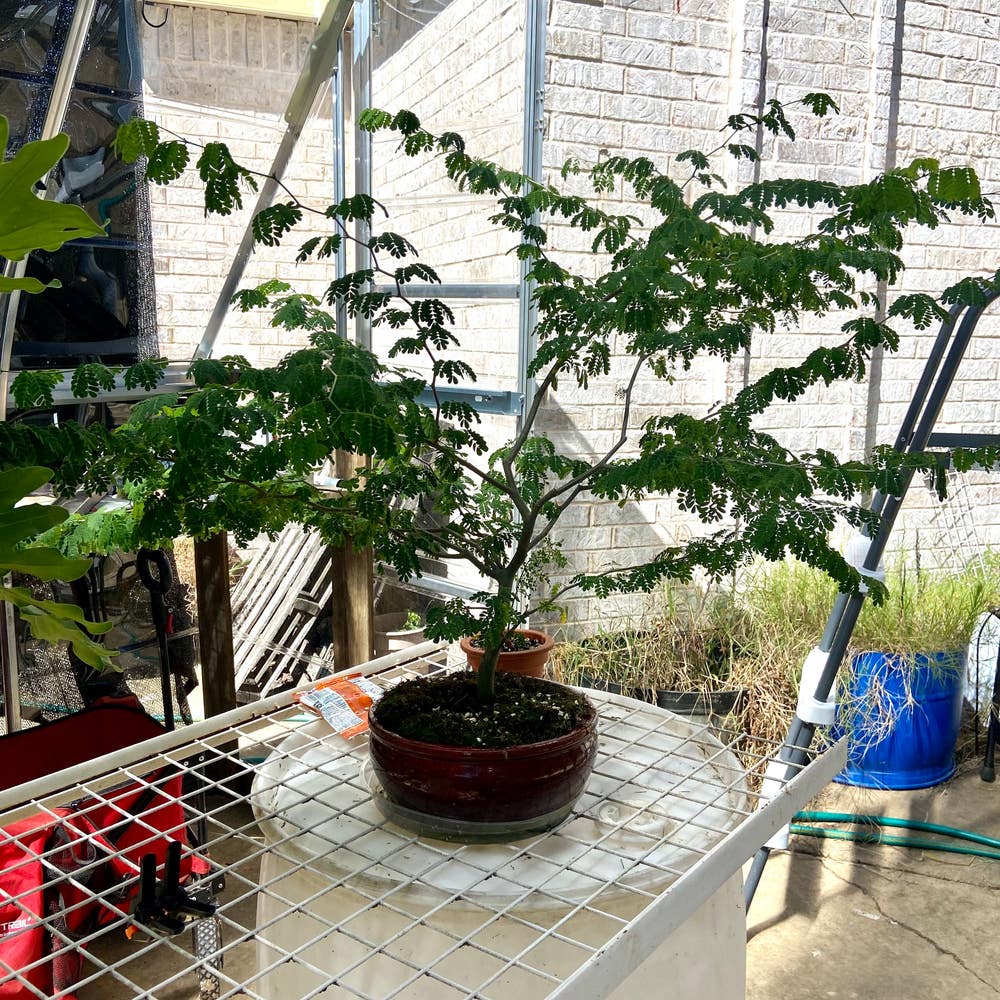
Step-by-Step Guide to Winterizing White Cedar ❄️
Tabebuia heterophylla
By the Greg Editorial Team
Nov 25, 2024•5 min read
This article was created with the help of AI so we can cover more plants for you. May contain errors. See one? Report it here.
Protect your white cedar this winter with essential care tips for frost protection and indoor survival! 🌲❄️
- ❄️ Protect white cedar with mulch and burlap to shield from frost and winds.
- 💧 Water less frequently in winter; check soil moisture to prevent root rot.
- 🌱 Prune dead branches and monitor for damage to promote healthy spring growth.
Winter Care Requirements
❄️ Frost protection techniques
Protecting your white cedar from frost is essential for its survival during harsh winters. Start by applying a 2-4 inch layer of organic mulch around the base to insulate the roots and retain moisture.
Next, consider wrapping young trees with burlap or frost cloth. This simple technique shields them from biting winds and extreme cold, ensuring they stay cozy throughout the winter months.
Additionally, think about location. Planting your cedars in sheltered areas can significantly reduce wind exposure, providing them with a natural barrier against the elements.
💧 Adjusting watering schedules during winter
As winter sets in, it's crucial to adjust your watering schedule. Reduce watering to once every 4-6 weeks during dormancy, allowing the tree to rest and conserve energy.
Before watering, always check the soil moisture levels. This practice helps prevent overwatering, which can lead to root rot, especially in well-drained soil.
🌱 Fertilization practices for winter
Timing is everything when it comes to fertilization. Avoid fertilizing your white cedar during dormancy, as it can disrupt its natural rest cycle.
Instead, plan to use slow-release, low-nitrogen fertilizers in early spring. This approach supports recovery and growth as the tree awakens from its winter slumber, ensuring a healthy start to the growing season.
Maintaining a nutrient balance is vital. Proper fertilization helps your cedar thrive after winter, setting the stage for robust growth and resilience against future challenges.
With these winter care requirements in place, your white cedar will be well-prepared to face the cold months ahead. Next, let’s explore how to care for your cedar indoors during extreme weather conditions.
Indoor Winter Care
When to Bring Indoors 🌨️
As winter approaches, it's crucial to keep an eye on the weather. If you receive extreme cold warnings or notice prolonged frost, it’s time to consider bringing your white cedar indoors.
Typically, this should happen when temperatures drop below -10°F (-23°C). This proactive step can help protect your tree from harsh winter conditions.
Indoor Care Tips 🏡
Once indoors, your white cedar needs the right environment to thrive. Start by placing it in a bright location that receives indirect sunlight. This helps maintain its health during the darker months.
Humidity is another key factor. To keep your cedar happy, maintain humidity levels using a pebble tray or a humidifier. This mimics its natural habitat and prevents drying out.
Watering is essential, but it requires careful monitoring. Check the soil moisture regularly and water only when the top inch feels dry. This prevents overwatering, which can lead to root rot.
By following these indoor care tips, your white cedar will have a better chance of thriving through winter. As you prepare for spring, remember that a little attention now can lead to a vibrant recovery later.
Spring Preparation
Signs of winter damage 🌨️
As winter fades, it's crucial to assess your white cedar for any signs of damage. Look for browning or wilting foliage and broken branches, which can indicate stress from the cold.
Checking for new growth is also essential. Healthy plants will show signs of budding leaves or fresh shoots, signaling that they are ready to thrive again.
Steps for recovery from winter damage ✂️
If you notice any damaged areas, start by pruning them away. Removing dead or broken branches helps the tree focus its energy on healthy growth.
After pruning, consider fertilizing your cedar. Applying a balanced fertilizer can promote recovery and support new growth as temperatures rise.
Preparing for spring growth 🌱
To enhance soil quality, incorporate compost into the ground around your cedar. This enriches the soil and provides essential nutrients for the upcoming growing season.
Don't forget to refresh the mulch layer. A new layer will help retain moisture and suppress weeds, giving your cedar the best chance to flourish.
Lastly, keep an eye out for pests. Early inspection can help you catch any infestations before they become a bigger problem, ensuring your white cedar stays healthy and vibrant.
With these steps, your white cedar will be well-prepared for the spring, ready to grow and thrive after a long winter.
Common Challenges
🌨️ Identifying and Addressing Frost Damage
Frost damage can be a significant concern for white cedar during harsh winters. Look for symptoms like discoloration, leaf drop, and stunted growth, which indicate that your tree may be struggling.
To aid recovery, focus on pruning any dead or damaged branches. Proper watering is also essential; ensure the tree receives adequate moisture to support healing.
❄️ Cold Hardiness Issues
Understanding cold hardiness zones is crucial for the health of your Thuja occidentalis. These trees thrive best in specific zones, so knowing your local climate can help you select the right cultivars.
To enhance cold hardiness, choose resilient varieties and plant them in suitable locations. This strategic approach can significantly improve their chances of surviving winter's chill.
🧊 Solutions for Winter Stress
Winter stress can manifest through yellowing foliage and reduced growth. Recognizing these stress indicators early allows you to take action before the situation worsens.
Mitigation strategies include consistent watering and proper mulching. Avoid late-season fertilization, as it can exacerbate stress and hinder your tree's recovery.
As you navigate these challenges, remember that proactive care can make a world of difference. With the right strategies, your white cedar can thrive even in the toughest winter conditions.
⚠️ Safety First
This content is for general information and may contain errors, omissions, or outdated details. It is not medical, veterinary advice, or an endorsement of therapeutic claims.
Always consult a qualified healthcare professional before using any plant as food, medicine, or supplement.
Never eat any plant (or feed one to pets) without confirming its identity with at least two trusted sources.
If you suspect poisoning, call Poison Control (800) 222-1222, the Pet Poison Helpline (800) 213-6680, or your local emergency service immediately.
Spotted an error? Please report it here.
Keep your white cedar thriving this winter ❄️ by using Greg's tailored care reminders and tips to protect it from frost and ensure it gets just the right amount of water!