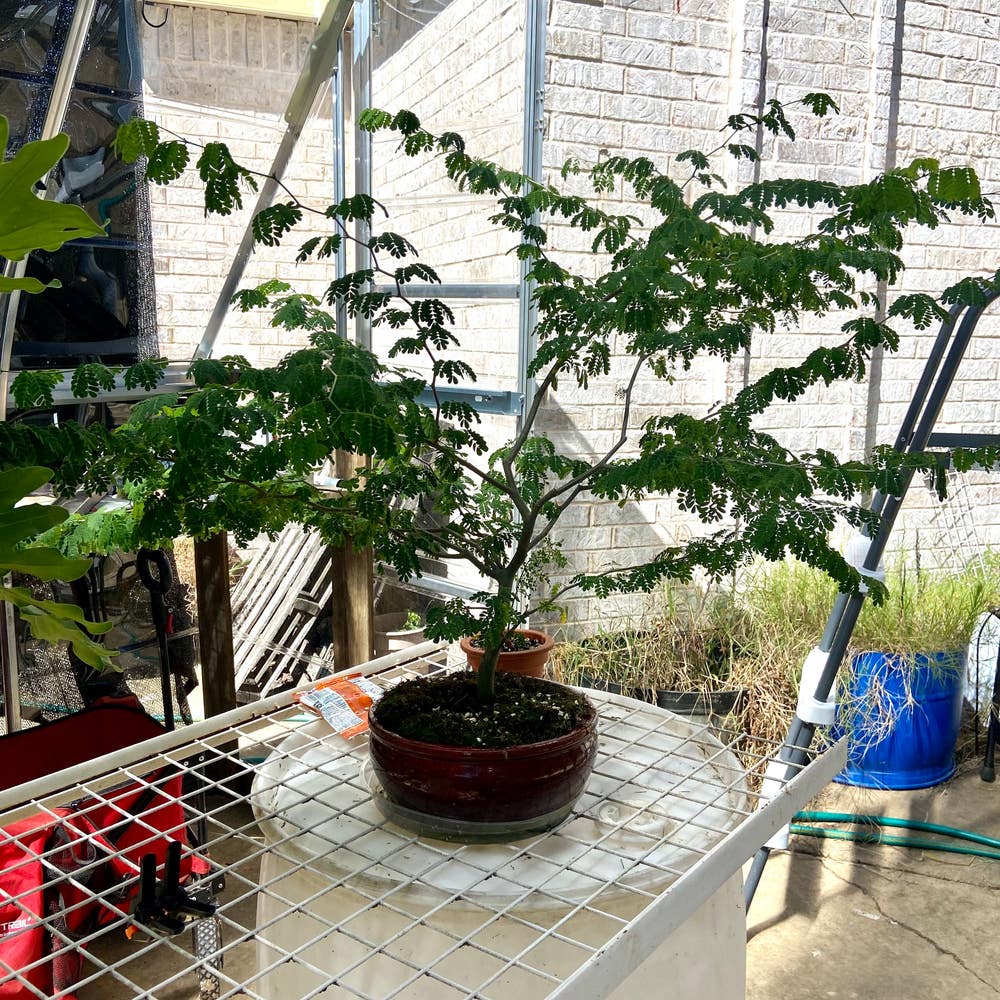
Why White Cedar Is A Perennial Plant
Tabebuia heterophylla
By the Greg Editorial Team
Nov 25, 2024•5 min read
This article was created with the help of AI so we can cover more plants for you. May contain errors. See one? Report it here.
Transform your garden with resilient white cedar 🌲, a perennial that thrives in any environment and requires minimal upkeep!
- 🌲 White cedar is a resilient perennial, thriving in diverse climates and soil types.
- 🌿 Year-round greenery reduces replanting needs, saving gardeners time and effort.
- 🌱 Long-lived and adaptable, white cedar enhances biodiversity and supports local wildlife.
Characteristics of White Cedar as a Perennial
Key Features 🌟
The white cedar, scientifically known as Thuja occidentalis, is a remarkable evergreen conifer. Its scale-like leaves give it a unique appearance, making it a favorite among gardeners and landscapers alike.
This plant boasts a multi-year lifecycle, which is one of its most impressive traits. It exhibits distinct growth and regrowth patterns, allowing it to thrive in a variety of environments, from wetlands to dry soils.
Evergreen Resilience 🌲
As an evergreen, white cedar retains its foliage year-round, providing consistent greenery. This characteristic not only enhances aesthetic appeal but also contributes to its ability to adapt to changing conditions.
The resilience of white cedar is evident in its capacity to withstand harsh weather. Whether facing cold winters or hot summers, this plant remains a steadfast choice for diverse landscapes.
Thriving in Various Environments 🌍
White cedar's adaptability is a significant advantage for gardeners. It can flourish in different soil types and moisture levels, making it a versatile option for various gardening scenarios.
Its ability to thrive in both northern and southern climates further underscores its perennial nature. This adaptability ensures that gardeners can enjoy the beauty of white cedar regardless of their location.
In summary, the characteristics of white cedar as a perennial plant highlight its unique features and resilience. Understanding these traits sets the stage for exploring its lifecycle and growth patterns, which are equally fascinating.
Lifecycle and Growth Patterns
Multi-Year Lifecycle 🌱
The lifecycle of white cedar, scientifically known as Thuja occidentalis, is a fascinating journey that unfolds over several years. It begins with seed germination, where tiny seeds establish themselves in the soil, setting the stage for future growth.
Following germination, the juvenile growth phase kicks in. During this stage, the plant develops rapidly, establishing a strong foundation before transitioning into the mature growth phase. In this phase, white cedar can reach impressive heights of up to 50 feet, showcasing its majestic stature.
Longevity and Growth Patterns ⏳
White cedar is not just about height; it boasts remarkable longevity as well. Many specimens can live for several decades, with some even exceeding 100 years, making them a long-term presence in any landscape.
Regrowth from Roots 🌳
One of the most impressive features of white cedar is its ability to regrow from its roots. The resilience of its root systems allows the plant to sprout new growth each year, ensuring it can thrive even in challenging conditions.
This regrowth mechanism is vital for its survival and adaptability. Established roots provide a robust foundation, enabling the plant to bounce back and flourish season after season.
As we explore the lifespan and longevity factors of white cedar, we’ll uncover how these elements contribute to its enduring presence in gardens and landscapes.
Lifespan and Longevity Factors
🕰️ Expected Lifespan
White cedar, or Thuja occidentalis, boasts an impressive average lifespan that spans several decades. Remarkably, some specimens can live for over 100 years, making them a long-term investment for any garden.
Factors influencing their longevity include soil quality and drainage. Well-drained, nutrient-rich soil promotes healthier growth, while poor drainage can lead to root rot and other issues.
🌍 Climate Zone Variations
The climate zone where white cedar is planted significantly impacts its growth and health. Northern growing conditions often provide a cooler environment, which can be beneficial for these trees.
Conversely, southern climates may present challenges such as higher temperatures and varying precipitation levels. Understanding these regional differences is crucial for optimizing the health and longevity of white cedar in your garden.
As you plan your garden, consider how these factors will affect your white cedar's growth. This knowledge will help you create a thriving environment for these resilient plants.
Advantages for Gardeners
🌱 Benefits of Perennial Nature
White cedar, or Thuja occidentalis, offers significant advantages for gardeners due to its perennial nature. One of the most appealing benefits is the reduced need for replanting, which saves time and effort.
Investing in white cedar is a long-term commitment that pays off. Once established, these plants contribute to a sustainable garden ecosystem, allowing you to enjoy their beauty without the hassle of frequent replacements.
🌳 Established Root Systems
The root systems of white cedar are a game changer for any garden. These robust roots enhance nutrient and water absorption, ensuring the plant thrives even in challenging conditions.
Moreover, their stability in various soil types means less worry about erosion or instability. This resilience allows gardeners to focus on creativity and design rather than constant maintenance.
Incorporating white cedar into your garden not only simplifies your gardening experience but also enriches the landscape. As we explore further, we'll look at strategic planting considerations to maximize these benefits.
Tips for Maximizing Benefits in Garden Planning
Strategic Planting Considerations 🌱
When planning your garden, consider the strategic placement of white cedar. These trees can serve as effective windbreaks or privacy screens, creating a cozy, sheltered environment.
Integrating white cedar with other perennials enhances biodiversity. This not only adds visual interest but also supports local wildlife, making your garden a thriving ecosystem.
Long-Term Cultivation Practices 🌿
To ensure your white cedar thrives, regularly monitor soil conditions. Healthy soil is crucial for nutrient absorption and overall plant vigor.
During dry periods, make sure to provide adequate water. This will help your white cedar maintain its lush, green appearance and support its growth.
Planning for seasonal changes is also essential. Prepare for dormancy in winter and encourage growth cycles in spring to keep your garden vibrant year-round.
By following these tips, you can maximize the benefits of white cedar in your garden, ensuring a sustainable and beautiful landscape. Next, let’s explore the expected lifespan and longevity factors that contribute to the enduring presence of this remarkable perennial.
⚠️ Safety First
This content is for general information and may contain errors, omissions, or outdated details. It is not medical, veterinary advice, or an endorsement of therapeutic claims.
Always consult a qualified healthcare professional before using any plant as food, medicine, or supplement.
Never eat any plant (or feed one to pets) without confirming its identity with at least two trusted sources.
If you suspect poisoning, call Poison Control (800) 222-1222, the Pet Poison Helpline (800) 213-6680, or your local emergency service immediately.
Spotted an error? Please report it here.
Nurture your evergreen oasis 🌲 with Greg's personalized care tips that ensure your white cedar thrives beautifully in any landscape!