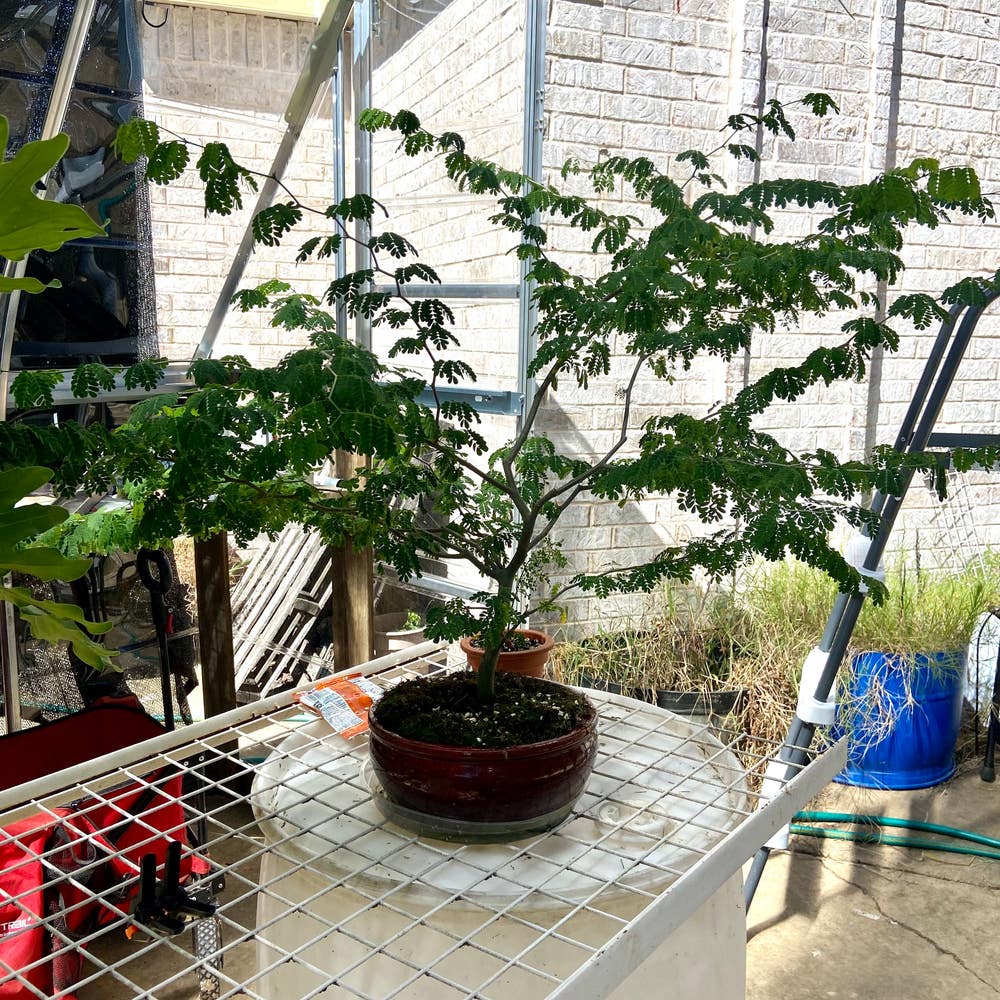
🌳 4 Tips for Fertilizing Your White Cedar
Tabebuia heterophylla
By the Greg Editorial Team
Nov 25, 2024•6 min read
This article was created with the help of AI so we can cover more plants for you. May contain errors. See one? Report it here.
Ensure your white cedar thrives 🌲 by mastering essential fertilization tips and techniques for optimal growth!
- 🌱 Organic and synthetic fertilizers both support white cedar growth; choose wisely!
- 🌼 Spring fertilization aligns with growth; fall prep helps for winter dormancy.
- 🔍 Soil testing reveals nutrient needs; adjust fertilization accordingly for optimal health.
Types of Fertilizers
🌱 Organic Fertilizers
Organic fertilizers are a fantastic choice for nurturing your white cedar. They not only enrich the soil but also promote a healthy ecosystem.
Compost: This nutrient-rich option improves soil structure and enhances microbial activity. It's like giving your plants a hearty meal while boosting the soil's health.
Fish Emulsion: High in nitrogen, fish emulsion is excellent for promoting lush foliage growth. It’s a natural way to ensure your cedar thrives.
Bone Meal: A great source of phosphorus, bone meal supports robust root development. This nutrient is crucial for establishing a strong foundation for your tree.
🧪 Synthetic Fertilizers
Synthetic fertilizers can also play a role in your fertilization strategy, but they come with their own set of pros and cons.
NPK Fertilizers: These fertilizers are labeled with three numbers, like 10-10-10, representing nitrogen, phosphorus, and potassium levels. Understanding these numbers helps you choose the right balance for your cedar's needs.
Controlled-Release Fertilizers: These provide a gradual nutrient release, ensuring your white cedar receives a steady supply of nutrients over time. This method can reduce the risk of nutrient leaching and promote consistent growth.
Choosing between organic and synthetic fertilizers depends on your gardening philosophy and the specific needs of your white cedar. Each type has its benefits, so consider what aligns best with your goals.
As you decide on the right fertilizer, keep in mind the timing and frequency of application to maximize your cedar's growth potential.
Timing and Frequency
Best Time of Year to Fertilize 🌱
Fertilizing your white cedar at the right time is crucial for its health. Spring is ideal for fertilization, as it aligns with the plant's growth cycle, providing essential nutrients when they are most needed.
In contrast, fall fertilization prepares your cedar for winter dormancy. This timing helps the tree store nutrients, ensuring it emerges strong in the spring.
Seasonal Fertilization Schedule 📅
To keep your white cedar thriving, follow this recommended fertilization schedule:
- Early Spring: Start with an initial feeding to kickstart growth.
- Mid-Summer: Consider a supplemental feeding if the tree shows signs of nutrient deficiency.
- Late Fall: Apply a final feeding to help the tree prepare for the colder months.
This structured approach ensures your cedar receives nutrients at critical growth stages.
Signs Indicating When to Fertilize 👀
Keep an eye out for visual cues that indicate your white cedar may need fertilization. Yellowing leaves and stunted growth are common signs of nutrient deficiency.
Additionally, soil testing can provide valuable insights. If you suspect nutrient deficiencies, testing your soil can guide your fertilization decisions, ensuring your cedar gets exactly what it needs.
With a solid understanding of timing and frequency, you're well on your way to nurturing a healthy white cedar. Next, let's explore the best application methods to ensure effective fertilization.
Application Methods
How to Apply Fertilizer 🌱
Applying fertilizer correctly is crucial for the health of your white cedar. Follow these simple steps for effective fertilization:
- Choose the right fertilizer type. Select between organic or synthetic options based on your cedar's needs.
- Measure the appropriate amount based on plant size. Refer to the fertilizer package for guidance on dosage.
- Evenly distribute fertilizer around the root zone. This ensures that nutrients reach the roots without causing damage.
- Water thoroughly after application. This helps activate the fertilizer and prevents root burn.
Recommended Tools 🛠️
Having the right tools can make fertilizing your white cedar easier and more efficient. Here’s what you’ll need:
- Hand trowel for digging. This helps you create a small trench for the fertilizer.
- Measuring cup for accurate dosage. Precision is key to avoid over-fertilization.
- Hose or watering can for post-application watering. Ensure the fertilizer is well-dispersed into the soil.
Techniques to Avoid Fertilizer Burn 🚫
Fertilizer burn can harm your cedar, so take precautions during application. Here are some techniques to prevent this issue:
- Importance of proper application rates. Always follow the recommended dosage to avoid excess nutrients.
- Watering before and after fertilization. This helps dilute the fertilizer and protects the roots.
- Keeping fertilizer away from the trunk and foliage. Apply it at least a few inches away to prevent direct contact.
By following these application methods, you can ensure your white cedar receives the nutrients it needs without the risk of damage. Next, let’s explore the nutrient requirements essential for your tree's growth.
Nutrient Requirements
Essential Nutrients for Growth 🌱
White cedar thrives on a balanced diet of essential nutrients. The key players are nitrogen, phosphorus, and potassium, often referred to as NPK.
- Nitrogen promotes lush foliage and overall plant vigor.
- Phosphorus supports strong root development and flowering.
- Potassium enhances disease resistance and overall hardiness.
In addition to these macronutrients, white cedar also benefits from micronutrients like calcium, magnesium, and iron. These elements play crucial roles in various physiological processes, ensuring your tree remains healthy and robust.
Understanding Soil pH ⚖️
Soil pH is a critical factor in nutrient availability. For white cedar, the ideal pH range is between 6.0 and 7.0.
When the pH is too low or too high, nutrient uptake can be hindered. This imbalance can lead to deficiencies, even if nutrients are present in the soil.
How to Test Soil 🧪
Testing your soil is essential for informed fertilization decisions. There are several reliable soil testing kits available on the market.
These kits typically provide insights into nutrient levels and pH. Once you have your results, you can adjust your fertilization strategy to meet your white cedar's specific needs.
Understanding these nutrient requirements will set you on the right path to nurturing your white cedar effectively. Next, let’s explore how to avoid over-fertilization and its potential pitfalls.
Avoiding Over-Fertilization
Symptoms of Over-Fertilization 🌱
Over-fertilization can lead to several visual signs that indicate your white cedar is struggling. Look out for leaf burn, which manifests as browning tips, excessive growth that may appear leggy, and yellowing foliage that suggests nutrient imbalance.
Long-term Effects ⚠️
If left unaddressed, over-fertilization can cause serious long-term effects. Root damage and reduced vigor can compromise the overall health of your tree, making it more susceptible to pests and diseases.
Steps to Take if Over-Fertilization Occurs 🚨
If you suspect over-fertilization, immediate action is crucial. Start by watering the area thoroughly to help dilute the excess nutrients in the soil.
Long-term Strategies ♻️
For a sustainable approach, adjust your fertilization practices moving forward. Consider reducing the frequency or amount of fertilizer applied, and always follow recommended guidelines.
Importance of Following Guidelines 📋
Adhering to fertilization schedules is essential for maintaining the health of your white cedar. Neglecting proper practices can lead to detrimental consequences, impacting growth and vitality.
Conclusion 📝
By being mindful of fertilization practices, you can ensure your white cedar thrives. Next, let’s explore the essential nutrients your tree needs for optimal growth.
⚠️ Safety First
This content is for general information and may contain errors, omissions, or outdated details. It is not medical, veterinary advice, or an endorsement of therapeutic claims.
Always consult a qualified healthcare professional before using any plant as food, medicine, or supplement.
Never eat any plant (or feed one to pets) without confirming its identity with at least two trusted sources.
If you suspect poisoning, call Poison Control (800) 222-1222, the Pet Poison Helpline (800) 213-6680, or your local emergency service immediately.
Spotted an error? Please report it here.
Fertilizing your white cedar is essential for vibrant growth 🌱, and with Greg's personalized reminders and nutrient tips, you'll have everything you need to keep your tree thriving!