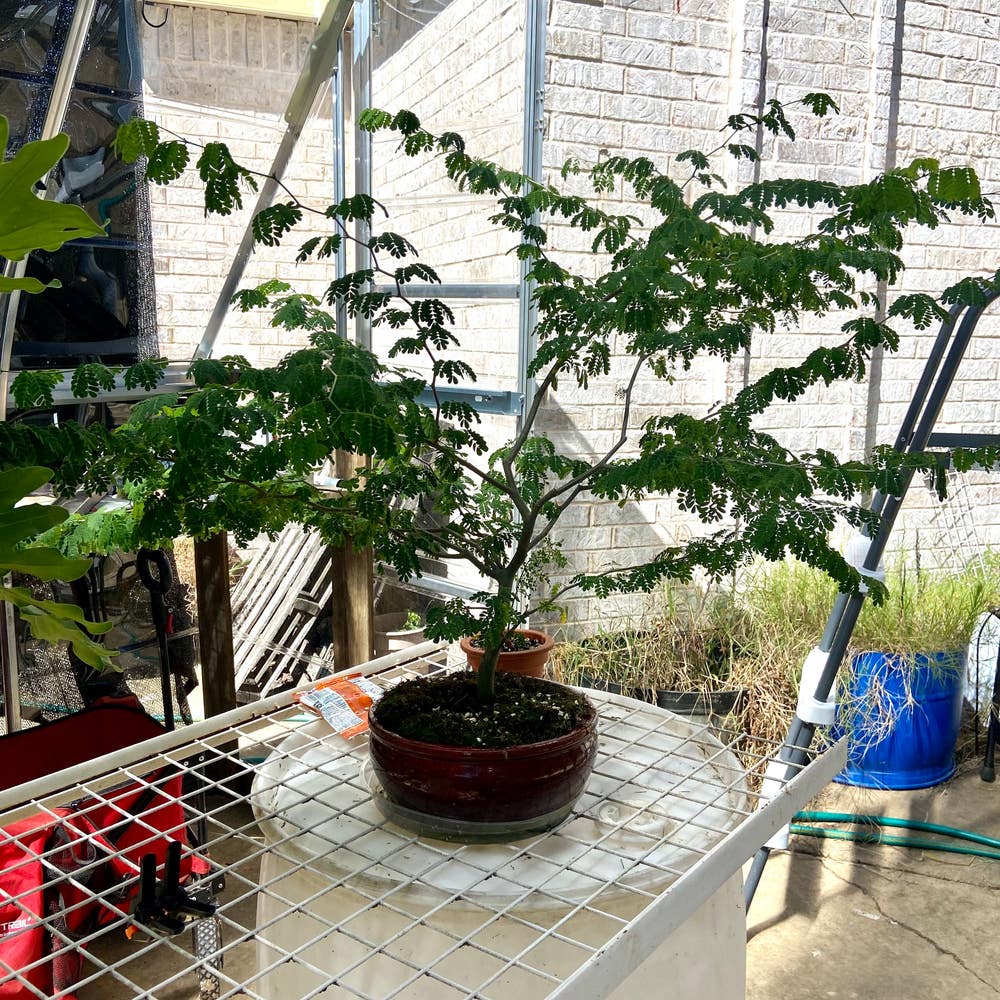
🌳 All About Your White Cedar's Roots
Tabebuia heterophylla
By the Greg Editorial Team
Nov 08, 2024•6 min read
This article was created with the help of AI so we can cover more plants for you. May contain errors. See one? Report it here.
Unlock the secret to a thriving White Cedar by mastering its vital root care! 🌱
- 🌱 White Cedar roots are shallow, growing mainly in the top 12-24 inches of soil.
- 💧 Consistent moisture is crucial for healthy roots, preventing issues like root rot.
- 🌳 Healthy roots ensure stability and nutrient absorption, vital for White Cedar's growth.
Root System Type
🌱 Characteristics of Roots
White Cedar features a fibrous root system, which is essential for its growth and stability. This type of root system is characterized by an extensive lateral spread, allowing roots to extend several feet from the base of the tree.
The roots primarily reside within the top 12-24 inches of soil, making them relatively shallow. This shallow depth enables the tree to quickly absorb moisture and nutrients from the surface layer, which is crucial for its health.
🌍 Adaptability
One of the remarkable traits of White Cedar is its adaptability to various soil types. Whether in sandy, loamy, or clay soils, this tree can thrive, enhancing its utility in diverse landscapes.
🌳 Importance of Root System
The root system plays a critical role in water and nutrient absorption. A healthy root network significantly influences the overall health of the plant, ensuring it can withstand environmental stresses and grow robustly.
Understanding these characteristics helps gardeners and landscapers appreciate the vital role roots play in the life of a White Cedar. By nurturing the root system, you can promote a thriving tree that enhances your landscape for years to come.
Next, we will explore the typical patterns of root depth and spread, providing insights into how these factors contribute to the tree's growth.
Root Depth and Spread
Typical Patterns 🌱
The root system of the White Cedar typically reaches an average depth of 12-24 inches. However, some roots may extend deeper in search of moisture, showcasing the tree's adaptability.
Lateral spread is equally impressive, with roots capable of reaching 3-6 feet from the trunk. This spread can vary based on soil conditions and moisture availability, allowing the tree to thrive in diverse environments.
Growth Patterns 🌳
In the early years, White Cedar establishes its roots rapidly, setting the stage for steady growth. This quick start is crucial for the tree's overall health and resilience.
Seasonally, root growth is most active in spring and early summer. During these months, the combination of warmer temperatures and increased moisture encourages robust root development.
Environmental factors play a significant role in root growth patterns. Soil moisture and temperature directly influence how well the roots expand and establish themselves.
Understanding these growth patterns can help you provide the right care for your White Cedar, ensuring it remains healthy and vibrant.
Next, we will explore effective watering and fertilizing practices to support your tree's root system.
Watering and Fertilizing
Impact on Practices 🌊
White Cedar's shallow roots demand consistent moisture, particularly during dry spells. Regular watering helps maintain the health of these roots, ensuring they can absorb the necessary nutrients.
To promote deeper root growth, consider using deep watering techniques. This method encourages roots to extend further into the soil, enhancing their stability and access to moisture.
Fertilization Considerations 🌱
Healthy roots are vital for effective nutrient uptake. Without a robust root system, your White Cedar may struggle to thrive.
For optimal growth, apply a balanced fertilizer in early spring. This timing supports root development and prepares the plant for the growing season ahead.
Watch for signs of nutrient deficiency, such as yellowing foliage and stunted growth. These symptoms often indicate that the roots are not functioning properly, signaling a need for immediate attention.
By focusing on proper watering and fertilizing practices, you can ensure your White Cedar remains healthy and vibrant. Next, let’s explore common root-related issues that may arise and how to address them effectively.
Common Root-Related Issues
🕵️ Identifying Problems
Root health is crucial for your White Cedar's vitality. Watch for symptoms of root rot, such as wilting, yellowing leaves, and stunted growth, even when you're watering adequately.
Common causes of these issues include overwatering, poor drainage, and compacted soil. Each of these factors can suffocate the roots, leading to serious health problems for your tree.
🛡️ Prevention Tips
To keep your White Cedar thriving, focus on soil management. Ensure you have well-draining soil to prevent waterlogging, which is a primary culprit in root rot.
Regular inspection is also key. After heavy rains, check for signs of disease or stress, as these can indicate underlying root issues that need immediate attention. Keeping a close eye on your tree can save it from potential problems down the line.
By staying proactive, you can maintain a healthy root system and ensure your White Cedar flourishes.
Healthy vs. Unhealthy Roots
👀 Visual Cues for Health
Healthy roots are the foundation of a thriving White Cedar. Look for roots that are firm, with a white or light tan color, indicating vitality and strength.
Additionally, healthy roots will fill the pot without circling excessively. This robust structure allows for optimal nutrient and water absorption, essential for the plant's overall health.
⚠️ Indicators of Unhealthy Roots
On the flip side, unhealthy roots present several warning signs. Dark, mushy, or foul-smelling roots indicate rot, while excessive circling in pots suggests the roots are rootbound and struggling for space.
If you notice these symptoms, it’s crucial to take corrective actions. Trim away any damaged roots and repot the plant in fresh, well-draining soil to encourage recovery and promote healthier growth.
Understanding these visual cues can help you maintain a vibrant White Cedar, ensuring it thrives in your landscape. Next, let’s explore rootbound plants and how to manage them effectively.
Rootbound Plants
Recognition and Definition 🌱
A rootbound plant is one that has outgrown its pot, with roots circling tightly and restricting growth. This condition can lead to stunted growth, roots pushing out of drainage holes, and poor water retention.
Management Solutions 🛠️
To remedy rootbound conditions, repotting is essential. Move the plant to a larger pot filled with fresh soil to encourage new root growth.
Additionally, consider root pruning. Trim any circling roots before repotting to promote healthier growth and prevent future issues.
Recognizing and addressing rootbound conditions is crucial for maintaining the health of your White Cedar. By taking these steps, you can ensure your plant thrives and continues to flourish.
Next, let's explore the importance of propagation and division in maintaining healthy roots.
Propagation and Division
🌱 Importance of Root Health
Healthy roots are the backbone of successful propagation and division for your White Cedar. When preparing for propagation, look for firm, white roots; these are indicators of vitality and readiness.
🛠️ Techniques
✂️ Division Method
To propagate through division, carefully separate clumps of roots. Aim to minimize damage during this process to ensure the best chance of survival for each section.
🌿 Propagation from Cuttings
Another effective method is taking cuttings. Choose 6-8 inch cuttings from healthy plants and root them in a suitable medium to encourage new growth.
By focusing on root health and employing these techniques, you can successfully propagate your White Cedar, ensuring its continued beauty and vitality in your landscape.
⚠️ Safety First
This content is for general information and may contain errors, omissions, or outdated details. It is not medical, veterinary advice, or an endorsement of therapeutic claims.
Always consult a qualified healthcare professional before using any plant as food, medicine, or supplement.
Never eat any plant (or feed one to pets) without confirming its identity with at least two trusted sources.
If you suspect poisoning, call Poison Control (800) 222-1222, the Pet Poison Helpline (800) 213-6680, or your local emergency service immediately.
Spotted an error? Please report it here.
Nurture your White Cedar's vital roots 🌱 with Greg's personalized watering alerts and fertilization tips, ensuring it thrives in your landscape for years to come!