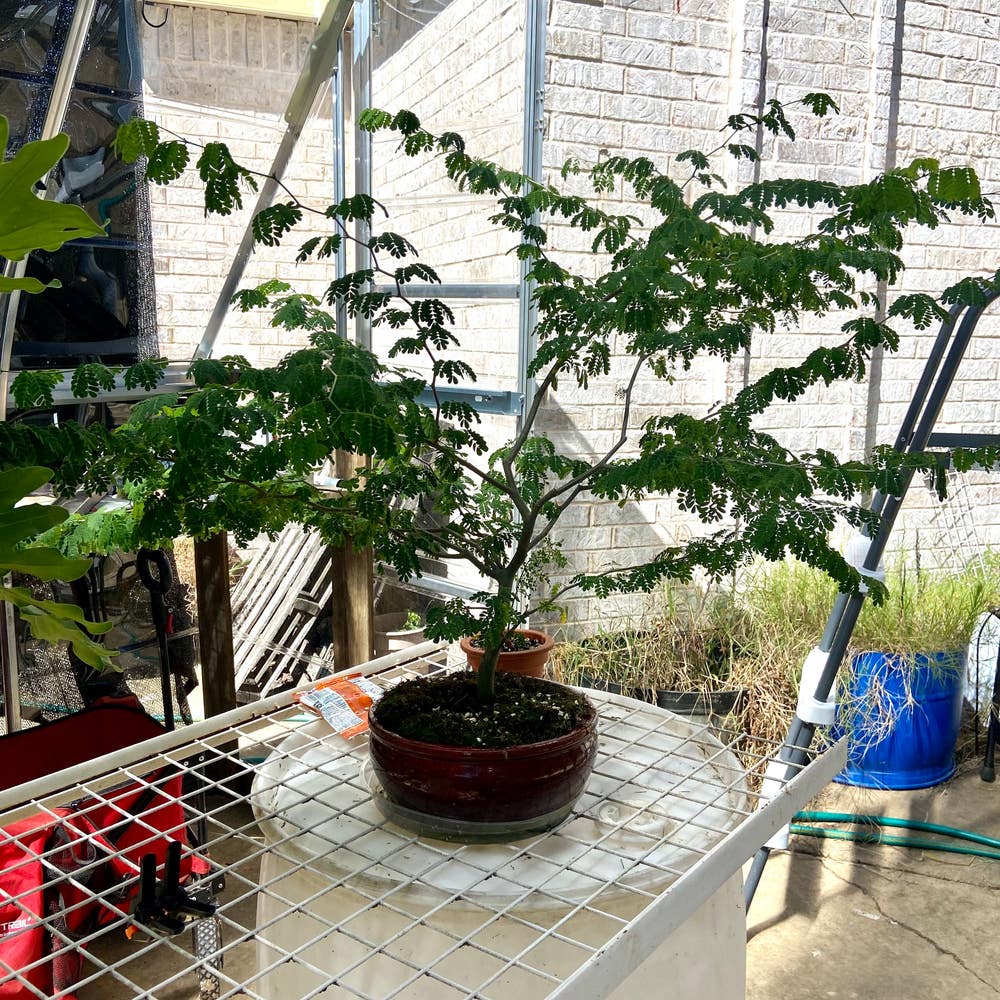
Best Companion Plants for White Cedar
Tabebuia heterophylla
By the Greg Editorial Team
Nov 25, 2024•5 min read
This article was created with the help of AI so we can cover more plants for you. May contain errors. See one? Report it here.
Boost your garden's health 🌱 and beauty by mastering companion planting with White Cedar for a thriving ecosystem!
- 🌼 Companion plants enhance biodiversity, attracting beneficial pollinators to your garden.
- 🌱 Drought-resistant and shade-tolerant plants thrive alongside White Cedar, sharing soil preferences.
- 🐞 Choose pest-repellent companions like marigolds and basil for natural pest management.
Benefits of Companion Planting for White Cedar
🌱 Description of Suitable Companion Plants
Plant 1
This evergreen plant is drought-resistant and shares similar soil preferences with White Cedar. It attracts pollinators, provides essential habitat, and enhances biodiversity in your garden.
Plant 2
A low-growing shrub, this plant thrives in acidic soil. Its pest-repellent properties and edible fruit make it a valuable addition, supporting local wildlife in the process.
Plant 3
With its bright yellow flowers, this plant is a magnet for pollinators. It not only enhances garden aesthetics but also acts as a pest deterrent, thriving in similar light conditions as White Cedar.
Plant 4
This shade-tolerant, moisture-loving plant serves as excellent ground cover. It retains soil moisture and complements the habitat of White Cedar beautifully.
🌿 Explanation of Why These Plants Thrive with White Cedar
These companion plants thrive alongside White Cedar due to their shared moisture and soil preferences. They also exhibit compatibility in light conditions and growth habits, creating a harmonious ecosystem.
🐞 Discussion of Similar Care Needs and Pest Management Properties
All these companion plants require similar watering and soil conditions, making them easy to care for together. They also offer pest management benefits by acting as natural repellents and attracting beneficial insects, promoting a healthier garden environment.
Plants to Avoid Near White Cedar
🌱 Description of Plants That Should Not Be Planted Near White Cedar
Plant 1
Some plants produce juglone, a toxic compound that can be detrimental to many species. This toxicity can inhibit the growth of White Cedar by competing for essential nutrients.
Plant 2
Another category to avoid includes plants with aggressive growth habits. These plants can quickly outcompete White Cedar for moisture and nutrients, leading to stunted growth.
🚫 Reasons for Avoidance
It's crucial to steer clear of these plants due to their competition for vital resources. Additionally, they may attract pests that pose a threat to the health of your White Cedar.
By being mindful of what you plant nearby, you can ensure a thriving environment for your White Cedar. This thoughtful approach not only supports your tree's health but also enhances the overall vitality of your garden.
Next, let’s explore how companion plants can enhance the visual appeal of gardens with White Cedar.
Visual Appeal and Aesthetic Considerations
🌼 How Companion Plants Enhance the Visual Appeal of Gardens with White Cedar
Companion plants can significantly enhance the visual appeal of gardens featuring White Cedar. By introducing a variety of colors and textures, these plants create striking contrasts that draw the eye throughout the seasons.
Seasonal interest is key; as some plants bloom in spring while others shine in summer or fall, your garden remains vibrant year-round. Layering plants not only adds depth but also creates a dynamic landscape that feels alive and inviting.
🎨 Suggestions for Creating a Visually Harmonious Garden Layout
When arranging companion plants around White Cedar, consider their height and growth habits. Taller plants can serve as a backdrop, while shorter varieties fill in the foreground, creating a balanced look.
Foliage texture plays a crucial role in visual harmony. Mix smooth-leaved plants with those that have a more rugged appearance to add intrigue. Additionally, pay attention to bloom times to ensure a continuous display of color, keeping your garden lively and engaging throughout the year.
By thoughtfully selecting and positioning companion plants, you can create a stunning garden that not only complements your White Cedar but also captivates anyone who visits. This careful planning leads to a more enjoyable outdoor space, setting the stage for the next topic on pest management strategies.
Pest Management Strategies
🌱 Overview of How Companion Plants Can Aid in Pest Management
Companion planting is a powerful tool for natural pest control. By strategically placing certain plants near White Cedar, you can create a balanced ecosystem that naturally deters pests.
Biodiversity plays a crucial role in reducing pest populations. A variety of plants attracts beneficial insects, which prey on harmful pests, creating a healthier garden environment.
🌼 Specific Examples of Pest-Repellent Plants That Work Well with White Cedar
Several plants are particularly effective at repelling pests when grown alongside White Cedar.
Marigolds
Marigolds are renowned for their ability to deter nematodes and other garden pests. Their vibrant blooms not only add color but also attract pollinators, enhancing the overall biodiversity of your garden.
Basil
Basil is another excellent companion. Its strong scent repels flies and mosquitoes, making it a great addition to your garden. Plus, you can enjoy fresh basil in your kitchen!
Nasturtiums
Nasturtiums are not just beautiful; they also act as a trap crop for aphids. By attracting these pests away from your White Cedar, they help protect your tree while adding a splash of color to your garden.
Integrating these pest-repellent plants around your White Cedar can significantly enhance your garden's health. By fostering a diverse plant community, you create a natural defense system against pests, ensuring your White Cedar thrives.
As you consider these pest management strategies, think about how they can complement your overall gardening approach. Next, we’ll explore how companion plants can enhance the visual appeal of gardens with White Cedar.
⚠️ Safety First
This content is for general information and may contain errors, omissions, or outdated details. It is not medical, veterinary advice, or an endorsement of therapeutic claims.
Always consult a qualified healthcare professional before using any plant as food, medicine, or supplement.
Never eat any plant (or feed one to pets) without confirming its identity with at least two trusted sources.
If you suspect poisoning, call Poison Control (800) 222-1222, the Pet Poison Helpline (800) 213-6680, or your local emergency service immediately.
Spotted an error? Please report it here.
Enhance your garden's biodiversity 🌼 with the right companion plants for your White Cedar, and let Greg guide you with tailored care tips to ensure they all thrive together!