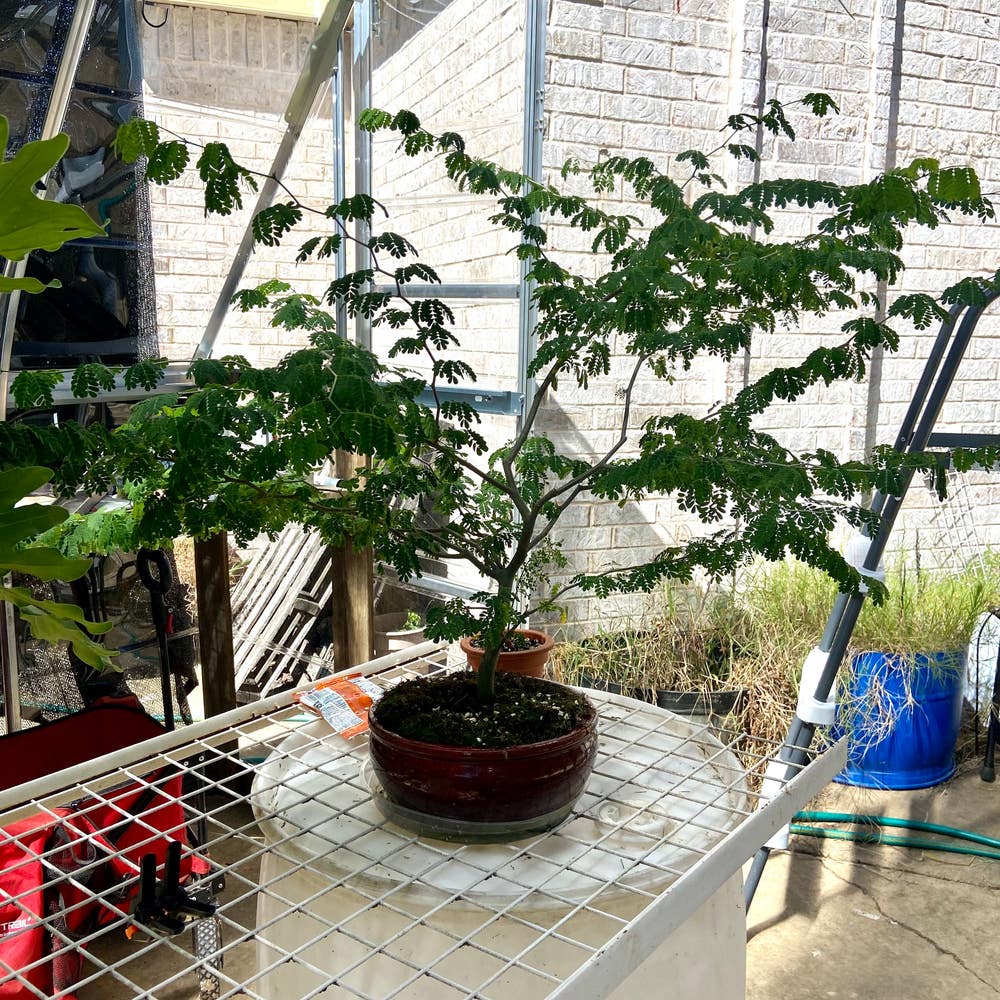
🌳 White Cedar: Not an Invasive Plant
Tabebuia heterophylla
By the Greg Editorial Team
Nov 25, 2024•7 min read
This article was created with the help of AI so we can cover more plants for you. May contain errors. See one? Report it here.
Transform your garden with White Cedar, a non-invasive tree that boosts biodiversity and supports local ecosystems! 🌳🌱
- 🌳 White Cedar is non-invasive, enhancing local ecosystems and supporting biodiversity.
- 🐦 Provides habitat and food for wildlife, promoting a balanced garden environment.
- 🌱 Adaptable and beneficial, it prevents soil erosion and enriches soil health.
Plant Classification
Definition of Invasive Plants 🌱
Invasive plants are species that exhibit certain characteristics making them problematic in new environments. They typically grow and spread rapidly, displacing native species and negatively impacting local ecosystems.
These invasive species can outcompete native flora for resources, leading to a decline in biodiversity. Their aggressive nature often disrupts the balance of local habitats, making it crucial to identify and manage them effectively.
Characteristics of Non-Invasive Plants 🌼
In contrast, non-invasive plants tend to have slow to moderate growth rates. They are compatible with local ecosystems, often enhancing biodiversity rather than diminishing it.
These plants contribute positively to their environments, providing habitats and food sources for wildlife. Their presence supports a balanced ecosystem, making them valuable additions to gardens and landscapes.
White Cedar's Classification and Status 🌳
White Cedar stands out as a non-invasive species due to its manageable growth rate and ecological benefits. It thrives without overwhelming local flora, fitting seamlessly into its native ecosystems.
This tree not only coexists with other plants but also supports them, enhancing the overall health of the environment. Its classification as a non-invasive species highlights its role in promoting biodiversity and ecological stability.
As we explore White Cedar's growth habits next, we'll see how its characteristics make it a fantastic choice for gardens and landscapes.
Growth Habits
🌱 Typical Growth Patterns in Gardens
White Cedar typically grows in a conical shape, reaching impressive heights of 30 to 50 feet, with a spread of 10 to 20 feet. Its slow to moderate growth rate makes it an excellent choice for various landscape designs, allowing gardeners to incorporate it seamlessly into their plans.
🌳 Natural Growth Limits and Spread Potential
This tree thrives in a variety of soil types but shows a clear preference for well-drained, moist conditions. Its spread potential is naturally limited by its growth rate, making it manageable and adaptable to local environments.
🌍 Adaptability to Different Soil and Climate Conditions
White Cedar is remarkably versatile, tolerating a range of soil types, including sandy and clay soils. It flourishes in USDA hardiness zones 3 to 7, showcasing its ability to adapt to different climate conditions.
Incorporating White Cedar into your garden not only enhances its beauty but also supports local ecosystems. As we explore its ecological role next, you'll discover how this tree contributes to biodiversity and soil health.
Ecological Role
Benefits to Local Wildlife 🐦
White Cedar plays a vital role in supporting local wildlife. It provides essential habitat and food sources for birds and small mammals, which enhances overall biodiversity in the area.
Additionally, the tree attracts beneficial insects, such as pollinators, contributing to a healthy ecosystem. This interaction helps maintain the balance of nature, making White Cedar a valuable addition to any garden.
Role in Soil Health and Erosion Control 🌱
The root system of White Cedar is particularly effective in preventing soil erosion. Its roots help stabilize the soil, improving its structure and reducing runoff.
Moreover, as the tree sheds its leaves, it contributes organic matter and nutrients to the soil. This process enriches the soil, promoting healthier plant growth and a more robust ecosystem.
Interactions with Other Plants 🌼
White Cedar is compatible with a variety of native plants, supporting a diverse plant community. This compatibility fosters a thriving ecosystem where various species can coexist harmoniously.
Furthermore, White Cedar can be an excellent choice for companion planting. Its presence can enhance the growth and health of nearby plants, creating a more resilient garden environment.
In summary, the ecological role of White Cedar extends beyond its beauty. It enriches local wildlife habitats, improves soil health, and interacts positively with other plants, making it a remarkable choice for sustainable gardening. As we explore garden management techniques next, consider how these practices can further enhance the benefits of incorporating White Cedar into your landscape.
Garden Management Techniques
Incorporating White Cedar into Garden Designs 🌲
White Cedar is a versatile addition to any garden. Its conical shape makes it ideal for hedges, windbreaks, and as a striking specimen tree.
For optimal growth and aesthetics, space your White Cedars 10-20 feet apart. This distance allows them to flourish without overcrowding, ensuring they maintain their natural beauty.
Maintenance Practices for Optimal Growth 💧
Regular watering is crucial, especially during dry spells. Young White Cedars require consistent moisture to establish strong roots.
Fertilization is also important. Use balanced fertilizers during the growing season to promote healthy growth and vibrant foliage.
Controlling Growth for Practical Reasons ✂️
Light pruning is an effective technique to maintain the shape and health of your White Cedar. This practice encourages bushier growth and prevents any unsightly branches.
If you need to manage the size of your White Cedar, consider selective pruning. This method allows you to keep the tree within desired dimensions while preserving its natural form.
Incorporating these management techniques will ensure your White Cedar thrives, enhancing both your garden's beauty and ecological health. Next, we’ll explore how White Cedar compares to other plants in the landscape.
Comparison to Other Plants
🌱 Similar Non-Invasive Plants for Comparison
When considering non-invasive alternatives to White Cedar, Arborvitae stands out. Both plants share a similar growth habit and aesthetic appeal, but Arborvitae tends to grow faster and can reach greater heights.
Another option is Eastern Red Cedar, which offers a similar conical shape but has different ecological roles. While these alternatives are non-invasive, they may not provide the same benefits to local wildlife as White Cedar.
🌳 Unique Qualities of White Cedar
White Cedar is known for its aromatic foliage, which adds a delightful scent to gardens. Its wood is naturally resistant to decay, making it a durable choice for landscape projects.
Additionally, its slow growth rate allows for careful planning in garden designs. This characteristic means it won’t overpower other plants, making it an excellent choice for those looking to create a balanced ecosystem.
🌼 Benefits of Choosing White Cedar Over Invasive Alternatives
Opting for White Cedar over invasive species brings numerous environmental benefits. It supports local wildlife by providing habitat and food sources, enhancing biodiversity in your garden.
Aesthetically, White Cedar offers a unique charm with its graceful form and lush greenery. Its practical advantages, such as low maintenance and compatibility with various garden designs, make it a wise choice for sustainable landscaping.
In summary, White Cedar not only enriches local ecosystems but also elevates the beauty of your outdoor space. As we explore garden management techniques next, consider how to best incorporate this remarkable tree into your landscape.
Legal and Environmental Considerations
🌱 Relevant Planting Guidelines and Regulations
When considering planting White Cedar, it's crucial to be aware of local regulations. Many regions have specific guidelines to ensure that native species are preserved and that non-invasive plants are promoted.
Sourcing White Cedar from reputable nurseries is essential. This practice guarantees that you are planting native stock, which is vital for maintaining local ecosystems and biodiversity.
🌳 White Cedar's Role in Sustainable Gardening Practices
White Cedar plays a significant role in sustainable gardening by enhancing biodiversity. Its presence in gardens supports various wildlife, contributing to a balanced ecosystem.
Additionally, native plants like White Cedar improve soil health. They enrich the soil with organic matter and nutrients, fostering a thriving environment for other plants and organisms.
By choosing White Cedar, gardeners can promote ecological balance while enjoying the aesthetic and practical benefits it offers. This choice not only beautifies landscapes but also supports the environment in meaningful ways.
As we explore the next section, we'll delve into how to effectively incorporate White Cedar into your garden designs for maximum impact.
⚠️ Safety First
This content is for general information and may contain errors, omissions, or outdated details. It is not medical, veterinary advice, or an endorsement of therapeutic claims.
Always consult a qualified healthcare professional before using any plant as food, medicine, or supplement.
Never eat any plant (or feed one to pets) without confirming its identity with at least two trusted sources.
If you suspect poisoning, call Poison Control (800) 222-1222, the Pet Poison Helpline (800) 213-6680, or your local emergency service immediately.
Spotted an error? Please report it here.
Boost your garden's biodiversity 🌳 by planting White Cedar, and let Greg guide you with tailored care reminders to ensure it flourishes beautifully!