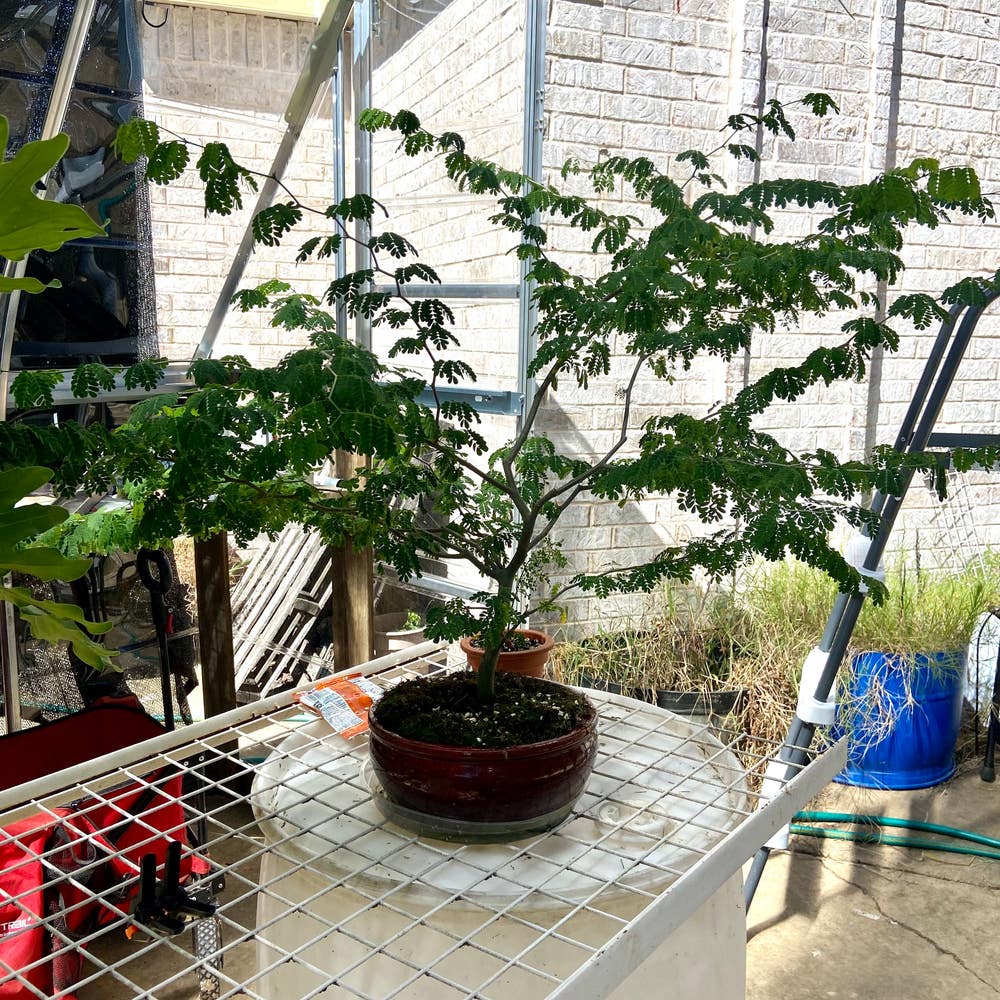
Choosing the Best Pot for Your White Cedar
Tabebuia heterophylla
By the Greg Editorial Team
Nov 25, 2024•7 min read
This article was created with the help of AI so we can cover more plants for you. May contain errors. See one? Report it here.
Unlock your White Cedar's full potential 🌳 by mastering the art of choosing the perfect pot for every growth stage!
- 🌱 Choose pot sizes: 4-6 inches for seedlings, 10-12 for young trees, 16-24 for mature.
- 🧱 Pot material matters: Clay prevents rot, plastic retains moisture, ceramic adds stability.
- 🚰 Ensure proper drainage: Use pots with 3-5 holes to avoid waterlogging and root issues.
Pot Sizes for Different Growth Stages
Recommended Sizes for Seedlings 🌱
When starting with White Cedar seedlings, choose pots that are 4-6 inches in diameter. This size allows for adequate space while ensuring the roots can develop without becoming cramped.
Depth is also crucial; aim for a minimum of 6 inches. This depth accommodates the shallow root system typical of young seedlings, promoting healthy growth.
Sizes for Young Trees 🌳
As your White Cedar matures into a young tree, the pot size should increase to 10-12 inches in diameter. This larger size supports the expanding root system, providing the necessary room for growth.
In terms of height, ensure the pot is at least 12 inches deep. This depth allows for proper root expansion, which is vital for the tree's stability and overall health.
Sizes for Mature Trees 🌲
For mature White Cedar trees, opt for pots that are 16-24 inches in diameter. This significant increase in size is essential for accommodating the extensive root system of a fully grown tree.
Additionally, a minimum depth of 18 inches is recommended. This depth not only ensures stability but also supports continued growth, allowing your tree to thrive in its environment.
Understanding the right pot sizes for each growth stage is key to nurturing your White Cedar effectively. With the proper pot, you set the foundation for a healthy, flourishing tree.
Materials for Pots
🌱 Benefits of Clay Pots
Clay pots are a favorite among gardeners for several reasons. Their breathability allows for essential air exchange, which significantly reduces the risk of root rot.
Additionally, the weight of clay pots provides stability, making them ideal for taller plants that might otherwise topple over. This stability is crucial, especially as your White Cedar grows.
🪴 Advantages of Plastic Pots
Plastic pots offer a different set of benefits that can be quite appealing. They are lightweight, making them easy to move and reposition as needed.
Moreover, plastic pots excel at retaining moisture, which helps maintain consistent soil moisture levels—an essential factor for the health of your White Cedar.
⚖️ Comparison of Other Materials
Ceramic Pots
Ceramic pots bring a touch of elegance to your gardening setup. They come in various decorative options, adding aesthetic appeal to your space.
However, they are heavier than plastic pots, which can provide additional stability for your plants, especially in windy conditions.
🛠️ Metal Pots
Metal pots are known for their durability and long-lasting nature. They can withstand the elements better than many other materials.
On the downside, metal pots can heat up quickly in direct sunlight, potentially affecting soil temperature and moisture levels. This is something to consider when choosing the right pot for your White Cedar.
In summary, selecting the right pot material is crucial for the health and growth of your White Cedar. Each option has its unique advantages and drawbacks, so weigh them carefully as you make your choice.
Next, let’s explore the importance of drainage considerations to ensure your plant thrives.
Drainage Considerations
Importance of Drainage Holes 🌧️
Proper drainage is crucial for the health of your White Cedar. Without it, water can accumulate, leading to waterlogging and root rot.
To prevent these issues, ensure your pot has at least 3-5 drainage holes at the bottom. This allows excess water to escape, keeping the roots healthy and thriving.
Ensuring Proper Drainage 🚰
Choosing the right potting soil is essential for good drainage. Look for soil mixes specifically designed to promote airflow and prevent water retention.
Additionally, consider adding a layer of gravel or stones at the bottom of the pot. This creates a barrier that further enhances drainage and keeps the roots from sitting in water.
Signs of Poor Drainage and Their Impact ⚠️
Be vigilant for signs of poor drainage, such as yellowing leaves or wilting, even when you’ve watered adequately. These symptoms indicate that your plant may be struggling with excess moisture.
Long-term exposure to poor drainage can stunt growth and make your White Cedar more susceptible to diseases. Regularly check your pot's drainage to ensure your tree remains healthy and vibrant.
As you focus on drainage, remember that the right pot choice significantly impacts your plant's overall health and growth. Let's explore how pot size and material can further influence your White Cedar's well-being.
Repotting White Cedar
🕒 When to Repot
Repotting your White Cedar is crucial for its health. Look for signs like roots growing out of drainage holes or visible root binding, which indicate it's time for a new pot.
For young trees, aim to repot every 2-3 years. Mature trees can wait a bit longer, typically every 3-5 years, depending on their growth rate.
🪴 Choosing the Right Pot When Repotting
Selecting the right pot is essential for your tree's continued growth. Consider increasing the pot size by 2-4 inches in diameter and depth to give the roots ample space.
Material choice also matters. Opt for a pot that suits the growth stage of your tree and the environmental conditions it faces.
📋 Step-by-Step Guide to Repotting
Repotting can be straightforward if you follow these steps:
- Prepare the new pot: Ensure it has drainage holes and fill it with suitable potting soil.
- Remove the tree: Gently take the White Cedar out of its current pot, being careful not to damage the roots.
- Inspect the roots: Check for any signs of rot or damage that may need addressing.
- Position the tree: Place it in the new pot, making sure it’s centered and at the same soil level as before.
- Fill with soil: Add potting soil around the roots, firming it gently to eliminate air pockets.
- Water thoroughly: This helps settle the soil and ensures good contact with the roots.
Following these steps will help your White Cedar thrive in its new home. As you care for your tree, keep an eye on its growth and health, ensuring it has the best conditions to flourish.
Next, let’s explore how the choice of pot can significantly impact the health and growth of your White Cedar.
Impact of Pot Choice on Health and Growth
🌱 Effects of Size on Root Development
Choosing the right pot size is crucial for your White Cedar's health. Larger pots promote healthier root systems and overall plant vigor, allowing roots to spread and access nutrients effectively.
Conversely, shallow pots can restrict root growth, leading to stunted plants. This limitation can hinder your tree's ability to thrive, so it's essential to select a pot that accommodates its growth stage.
🧱 How Material Influences Moisture Retention
The material of your pot significantly affects moisture retention. Clay pots, while aesthetically pleasing, dry out faster, requiring more frequent watering to keep your White Cedar hydrated.
On the other hand, plastic pots retain moisture longer, making them beneficial in drier conditions. This characteristic can be a game-changer, especially during hot summer months when consistent moisture is vital.
🩺 Long-Term Health Considerations
Monitoring soil moisture is essential for maintaining your tree's health. Adjust your care routine based on the pot material to ensure your White Cedar receives the right amount of water.
Regularly assess root health and pot size to guarantee optimal growth conditions. This proactive approach will help you catch any issues early, ensuring your tree remains vibrant and healthy for years to come.
As you consider these factors, remember that the right pot choice can significantly impact your White Cedar's long-term success. Transitioning to the next topic, let's explore the practical steps for repotting your tree effectively.
⚠️ Safety First
This content is for general information and may contain errors, omissions, or outdated details. It is not medical, veterinary advice, or an endorsement of therapeutic claims.
Always consult a qualified healthcare professional before using any plant as food, medicine, or supplement.
Never eat any plant (or feed one to pets) without confirming its identity with at least two trusted sources.
If you suspect poisoning, call Poison Control (800) 222-1222, the Pet Poison Helpline (800) 213-6680, or your local emergency service immediately.
Spotted an error? Please report it here.
Choose the perfect pot for your White Cedar 🌳 with Greg's tailored watering reminders and expert tips to keep your plant thriving at every stage!