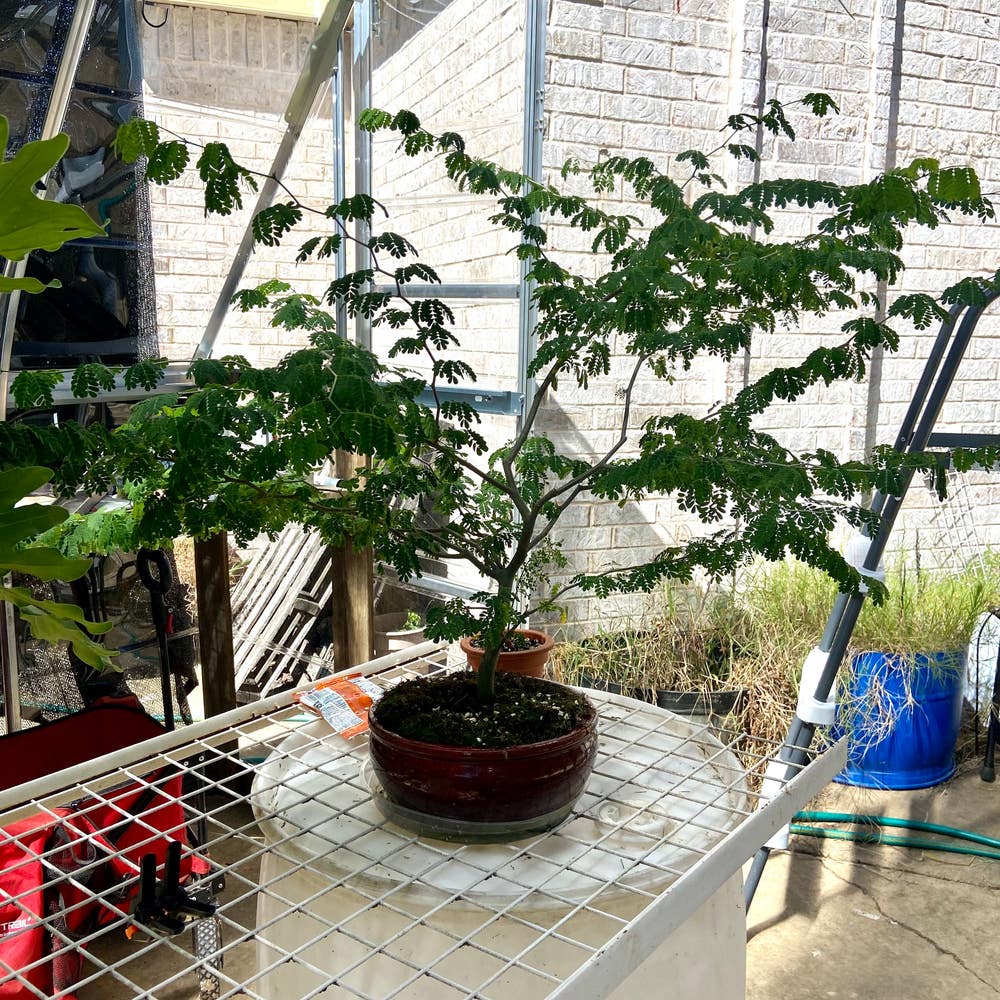
Propagating White Cedar: Step-by-Step Guide
Tabebuia heterophylla
By the Greg Editorial Team
Nov 25, 2024•4 min read
This article was created with the help of AI so we can cover more plants for you. May contain errors. See one? Report it here.
Master white cedar propagation 🌲 with expert tips on seeds, cuttings, and layering for a thriving garden!
- 🌱 Collect seeds in late summer for optimal white cedar propagation success.
- ❄️ Cold stratify seeds for 30-60 days to enhance germination rates effectively.
- 🌿 Use cuttings or layering for alternative propagation methods with unique benefits.
Seed Propagation
Collecting Seeds 🌰
To successfully propagate white cedar, timing is crucial. Aim to collect seeds from mature cones in late summer to early fall, ensuring you harvest from healthy trees.
After harvesting, allow the cones to dry thoroughly. Once dried, extract the seeds carefully, preparing them for the next steps in the germination process.
Preparing Seeds for Germination 🧼
Cleaning the seeds is essential for successful germination. Remove any debris and chaff to ensure the seeds are clean and ready to sprout.
Next, stratification is key. Cold stratify the seeds for 30-60 days to mimic the natural conditions they would experience in the wild, enhancing their chances of germination.
Ideal Germination Conditions 🌱
Creating the right environment for germination is vital. Use a well-draining seed starting mix to provide the seeds with the best foundation for growth.
Maintain a temperature between 65°F to 75°F (18°C to 24°C) for optimal germination. Additionally, provide 12-16 hours of indirect sunlight or fluorescent light daily to encourage healthy growth.
Transplanting Seedlings 🌍
Timing your transplant is important. Once seedlings develop 2-3 sets of true leaves, it's time to move them to larger pots or garden beds.
Space the seedlings 12-18 inches apart to give them room to grow. Gradually acclimate them to outdoor conditions over 1-2 weeks to help them adjust to their new environment.
With these steps, you'll be well on your way to successfully propagating white cedar from seeds. Next, let's explore cutting propagation, another effective method for growing this resilient tree.
Cutting Propagation
🌱 Selecting healthy cuttings
The best time to take cuttings is late spring to early summer when the new growth is softwood. Aim for cuttings that are 4-6 inches long and have at least 2-3 leaf nodes for optimal rooting potential.
🛠️ Preparing cuttings for rooting
Start by removing the lower leaves from the bottom half of the cutting. This helps focus the plant's energy on root development.
Next, make a small cut on the bottom of the cutting to encourage roots to form. This simple step can significantly enhance your success rate.
🌿 Rooting hormone application
Using a rooting hormone powder or gel can greatly enhance root growth. Dip the cut end of the cutting into the hormone before planting to give your cuttings a head start.
🌡️ Ideal conditions for rooting
For the best results, use a mix of perlite and peat moss as your rooting medium. This combination provides excellent drainage, which is crucial for healthy root development.
Maintain high humidity around 80% by using a humidity dome or a plastic bag. This helps create a mini-greenhouse effect that encourages rooting.
Keep the temperature consistent between 70°F to 75°F (21°C to 24°C) to foster optimal growth conditions.
🌳 Transplanting rooted cuttings
Transplant your cuttings when the roots are at least 2 inches long, which typically takes about 4-8 weeks.
Carefully remove the rooted cutting from the medium and plant it in larger pots.
After transplanting, water thoroughly and provide indirect light for a few weeks to help your new plants adjust.
With these steps, you’ll be well on your way to successfully propagating white cedar through cuttings. Next, let’s explore layering propagation, another effective method for growing new plants.
Layering Propagation
🌱 Techniques for Layering
Layering is a straightforward method to propagate white cedar. To start, bend a healthy branch down to the ground and cover a portion of it with soil, ensuring the tip remains exposed.
To secure the buried section, use stakes or rocks. This will help keep the branch in place while it develops roots.
⏰ Timing for Layering
The best time to layer is during late spring to early summer when the plant is actively growing. Be patient, as it can take 6-12 months for roots to develop sufficiently before you can transplant.
🌧️ Care for Layered Branches
Proper care is crucial for successful layering. Keep the soil consistently moist but avoid sogginess, which can lead to rot.
Regularly monitor the buried section for root development. You can gently lift the soil around it to check progress without disturbing the branch too much.
🌿 Transplanting Layered Plants
When the roots have formed adequately—at least 2-3 inches long—it's time to transplant. Carefully cut the new plant from the parent and place it into a pot or garden bed.
Gradually acclimate the new plant to outdoor conditions over 1-2 weeks. This will help it adjust and thrive in its new environment.
With these steps, you'll be well on your way to successfully propagating white cedar through layering. Next, we'll explore cutting propagation, another effective method for growing this resilient tree.
⚠️ Safety First
This content is for general information and may contain errors, omissions, or outdated details. It is not medical, veterinary advice, or an endorsement of therapeutic claims.
Always consult a qualified healthcare professional before using any plant as food, medicine, or supplement.
Never eat any plant (or feed one to pets) without confirming its identity with at least two trusted sources.
If you suspect poisoning, call Poison Control (800) 222-1222, the Pet Poison Helpline (800) 213-6680, or your local emergency service immediately.
Spotted an error? Please report it here.
Propagating white cedar is thrilling 🌱 when you use Greg's tailored reminders and expert tips to help your seeds and cuttings flourish!