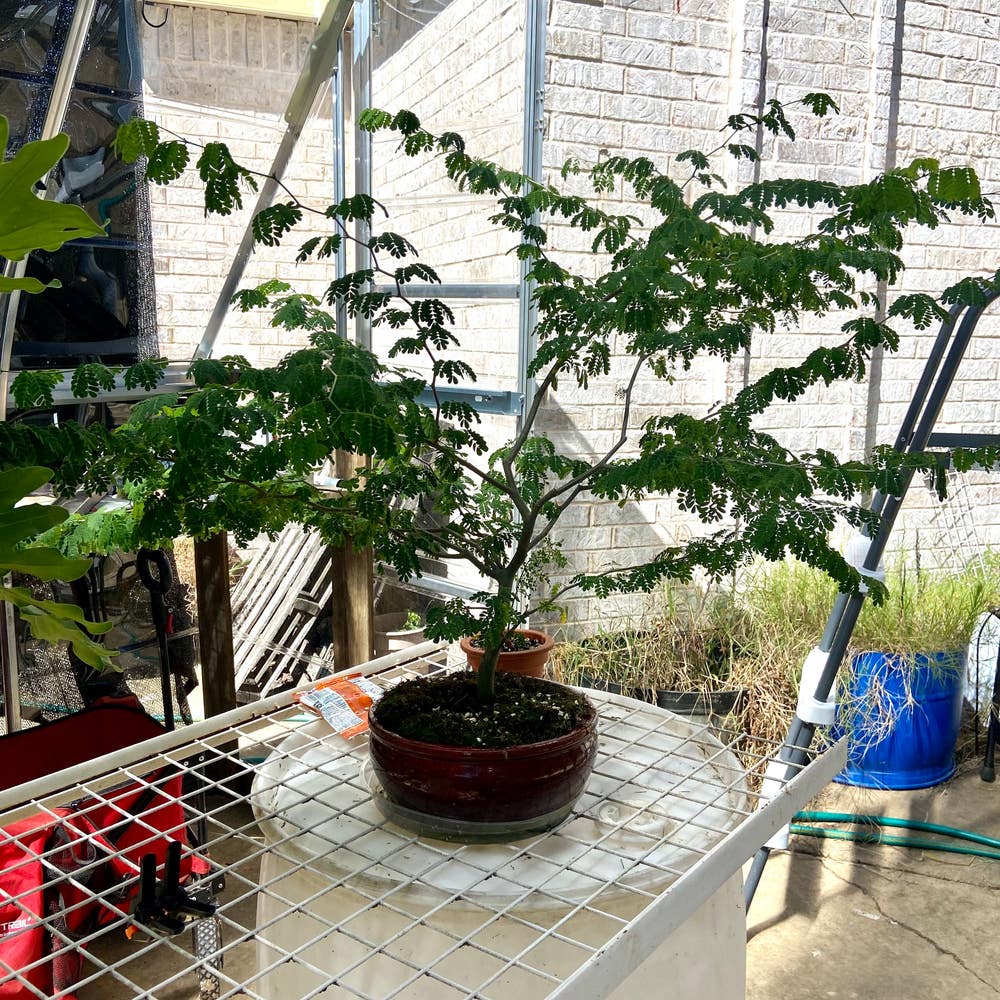
🌳 Ultimate Guide to Solving White Cedar Problems
Tabebuia heterophylla
By the Greg Editorial Team
Nov 08, 2024•4 min read
This article was created with the help of AI so we can cover more plants for you. May contain errors. See one? Report it here.
Unlock vibrant growth for your white cedar 🌲 by mastering common care issues and solutions for a thriving plant!
- 💧 Overwatering and underwatering cause yellow leaves and root rot in white cedar.
- 🌞 Proper light conditions are essential; too much or too little can harm growth.
- 🐛 Pests like aphids and spider mites can infest; use insecticidal soap for treatment.
Common Problems Specific to White Cedar
💧 Incorrect watering
Identifying overwatering and underwatering
Overwatering can lead to yellowing leaves, mushy roots, and even trunk rot. Conversely, underwatering results in dry, brittle leaves and stunted growth.
Causes of watering issues
Watering problems often stem from poor drainage, which can cause waterlogging. Additionally, inconsistent watering schedules can lead to drought stress, making it crucial to establish a routine.
Steps to resolve watering problems
- Check soil moisture by inserting your finger 1-2 inches deep into the soil.
- Adjust your watering frequency based on current weather conditions.
- If overwatering is an issue, improve drainage by adding amendments like perlite or sand.
💡 Incorrect light conditions
Symptoms of inadequate or excessive light
Insufficient light can cause leggy growth, sparse foliage, and yellowing leaves. On the other hand, excessive light may lead to leaf scorch, browning tips, and stunted growth.
Causes of light-related issues
These light problems often arise from placing the plant in overly shaded areas or exposing it to direct harsh sunlight.
Solutions for light problems
To remedy light issues, consider relocating your white cedar to a spot with filtered sunlight or partial shade. If necessary, use shade cloth during peak sunlight hours to protect your plant.
🐛 Pests and Diseases
Common pests affecting White Cedar
White cedar can fall victim to pests like aphids, spider mites, and scale insects.
Identifying pest infestations
Look for sticky residue on leaves, visible insects, or webbing as signs of an infestation.
Treatment options for pest control
- Spray the affected areas with insecticidal soap or neem oil.
- Introduce beneficial insects like ladybugs to help control the pest population.
- Regularly inspect your plants for early signs of infestation to catch problems before they escalate.
Common diseases
White cedar is susceptible to several diseases, including:
- Powdery mildew: Characterized by white, powdery spots on leaves.
- Rust: Identified by orange or yellow spots on foliage.
- Black rot: Presents as dark lesions on leaves and stems.
- Blight: Causes rapid wilting and browning of leaves.
Causes and treatment methods for diseases
To combat diseases, improve air circulation around your plants and avoid overhead watering. If necessary, apply fungicides according to label instructions.
🌱 Root and Leaf Problems
Identifying root rot and squishy roots
Signs of root rot include wilting despite adequate watering and a foul odor from the soil. When inspected, affected roots may appear brown and mushy.
Causes of root issues
Root problems typically arise from overwatering and poor drainage conditions.
Steps to treat root problems
- Remove the plant from its pot and inspect the roots.
- Trim away any affected roots and repot the plant in fresh, well-draining soil.
- Adjust your watering practices to prevent recurrence.
Symptoms of leaf issues
Leaf problems can manifest as:
- Scorched leaves: Brown tips and edges indicate stress.
- Yellowing leaves: Often a sign of nutrient deficiency or overwatering.
- Fuzzy growth: This may indicate fungal issues.
Solutions for leaf care
To address nutrient deficiencies, fertilize with a balanced fertilizer. Additionally, ensure consistent watering and improve air circulation around your plants.
🌿 Growth Problems and Preventive Measures
Identifying growth issues
Common growth problems include:
- Not growing: Stunted growth and lack of new shoots.
- Not fruiting: Failure to produce cones or seeds.
- Leaning: Indicates uneven growth or poor root structure.
- Leggy growth: Long, weak stems with sparse foliage.
- Etiolated growth: Stretched appearance due to insufficient light.
Causes of growth problems
These issues can arise from inadequate light, poor soil conditions, or pest infestations.
How to encourage healthy growth
- Ensure proper light exposure and adjust your watering practices.
- Fertilize during the growing season to promote vigor.
- Prune leggy growth to encourage bushier growth.
Preventive measures
To maintain healthy growth, regularly check soil moisture and adjust watering accordingly. Ensure your plant has proper light conditions and avoid extreme temperatures. Lastly, monitor for pests and diseases throughout the growing season.
📱 Using Technology for Care
Utilizing the Greg plant care app
Consider using the Greg plant care app to set specific care schedules tailored to your plant's needs. This app can also send alerts for potential issues based on environmental conditions, helping you stay ahead of any problems.
With these insights, you can effectively tackle common white cedar problems and promote a thriving plant. Next, let’s explore how technology can further enhance your plant care routine.
⚠️ Safety First
This content is for general information and may contain errors, omissions, or outdated details. It is not medical, veterinary advice, or an endorsement of therapeutic claims.
Always consult a qualified healthcare professional before using any plant as food, medicine, or supplement.
Never eat any plant (or feed one to pets) without confirming its identity with at least two trusted sources.
If you suspect poisoning, call Poison Control (800) 222-1222, the Pet Poison Helpline (800) 213-6680, or your local emergency service immediately.
Spotted an error? Please report it here.
Keep your white cedar thriving 🌱 by using Greg's tailored watering reminders and pest alerts to tackle common issues with confidence!