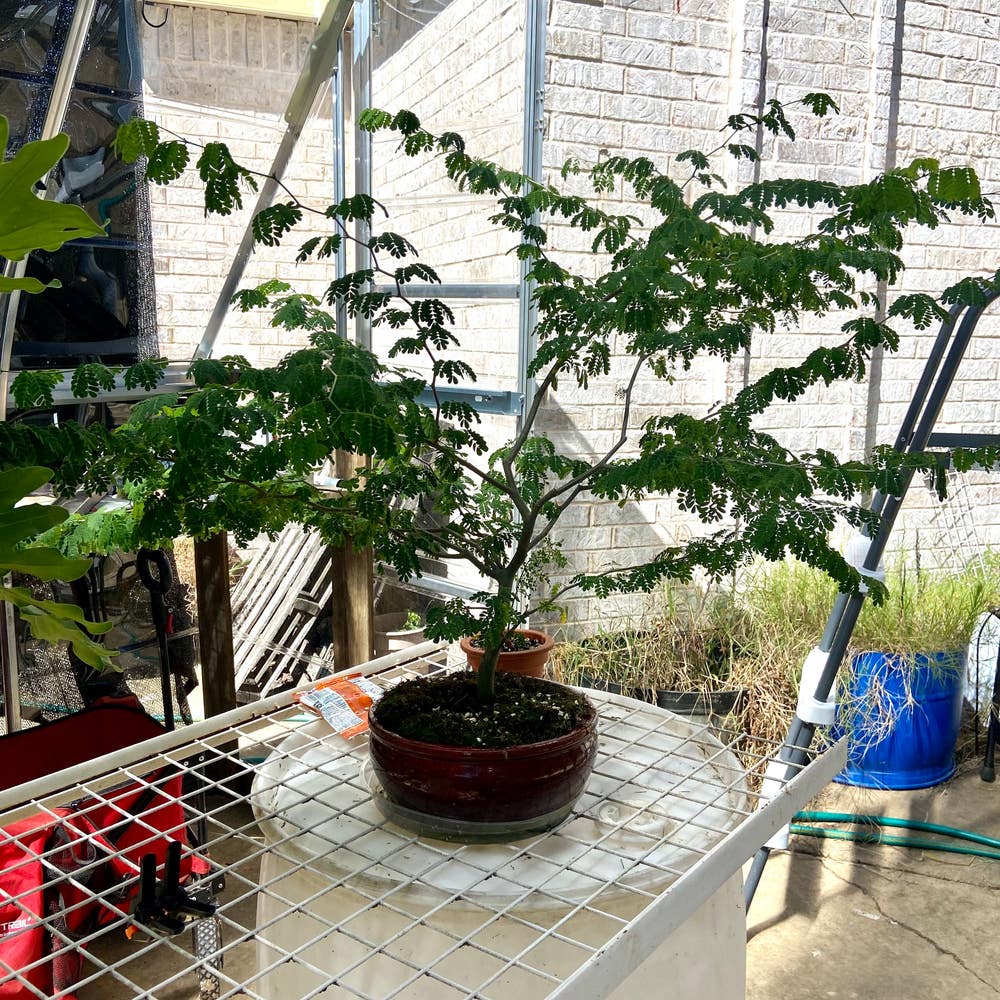
🌳 4 Tips for Growing White Cedar Outdoors
Tabebuia heterophylla
By the Greg Editorial Team
Nov 25, 2024•7 min read
This article was created with the help of AI so we can cover more plants for you. May contain errors. See one? Report it here.
Cultivate thriving white cedar trees 🌳 with essential tips on sunlight, watering, and soil care for robust growth!
- ☀️ White cedar needs 6-8 hours of sunlight daily for healthy growth.
- 💧 Water newly planted cedars weekly; established ones every 2-3 weeks during dry spells.
- 🌱 Well-drained, slightly acidic soil is essential for thriving white cedar trees.
Sunlight Requirements
Ideal Sunlight Exposure 🌞
White cedar thrives best in full sun to partial shade, requiring about 6-8 hours of direct sunlight each day. While it can tolerate shaded areas, growth may slow down, and foliage density might decrease.
Impact of Sunlight on Growth 🌱
Sunlight is crucial for photosynthesis, which directly affects the overall health of the tree. Insufficient sunlight can lead to weak growth and make the tree more vulnerable to pests and diseases, so ensuring adequate light is essential for a robust white cedar.
Understanding these sunlight requirements is key to fostering a healthy environment for your white cedar. Next, let’s explore the watering needs and frequency to ensure your tree remains hydrated and thriving.
Watering Needs and Frequency
💧 General Watering Guidelines
To ensure your white cedar thrives, maintaining consistent moisture is crucial. During the first few years, keep the soil evenly moist to support healthy growth.
For newly planted trees, water deeply once a week. Established trees require less frequent watering, typically every 2-3 weeks during dry spells.
🚿 Signs of Overwatering and Underwatering
Recognizing the signs of overwatering is essential for your tree's health. Look for yellowing leaves and root rot as indicators that you may be giving your cedar too much water.
On the flip side, underwatering can lead to wilting, browning foliage, and stunted growth. Keep an eye on your tree's appearance to ensure it receives the right amount of moisture.
With proper watering practices, your white cedar will flourish, setting the stage for the next critical aspect of its care: soil preferences and amendments.
Soil Preferences and Amendments
Ideal Soil Conditions 🌱
White cedar thrives in well-drained, moist soils, making it essential to choose the right planting location. This adaptable tree can tolerate various soil types, including sandy and clay soils, but it performs best in slightly acidic to neutral pH levels, ideally between 6.0 and 7.5.
Soil Amendments 🧑🌾
To enhance soil quality, consider incorporating organic matter like compost or peat moss. These amendments improve soil structure and moisture retention, creating a more hospitable environment for your white cedar.
For those dealing with heavy clay soils, drainage can be a challenge. Mixing in perlite or sand can significantly improve drainage, ensuring that your tree's roots have the space they need to thrive without standing water.
By paying attention to soil conditions and making the necessary amendments, you can set your white cedar up for success. This foundation will support its growth and resilience against environmental stresses, leading to a healthier, more robust tree.
As you prepare the soil, keep in mind the importance of consistent care and monitoring. This will help you transition smoothly into the next steps of nurturing your white cedar.
Fertilization Schedule and Types
Fertilization Timing 🌱
Timing is crucial when it comes to fertilizing your white cedar. In early spring, as new growth begins to emerge, apply your chosen fertilizer to give your trees a strong start.
Consider a second application in mid-summer. This optional boost can enhance growth and ensure your cedar remains healthy through the warmer months.
Recommended Fertilizers 🌿
When selecting fertilizers, a balanced NPK fertilizer, such as 10-10-10, works wonders for white cedar. Slow-release granular fertilizers are also effective, providing a steady supply of nutrients over time.
For those who prefer organic options, fish emulsion and compost tea are excellent choices. These natural fertilizers enrich the soil while promoting a healthy ecosystem around your trees.
Incorporating these fertilization practices will help your white cedar thrive, setting the stage for robust growth and resilience. Next, let’s explore the best planting options for your cedar trees.
Planting Options
🌱 Benefits of Planting in Containers
Planting white cedar in containers offers significant advantages. First, the mobility of containers allows you to relocate your trees as needed, making it easy to adapt to changing conditions.
Additionally, you have complete control over soil quality. This means you can create optimal growing conditions tailored to your tree's needs, ensuring a healthy start.
🚧 Drawbacks of Container Planting
However, container planting does come with its challenges. Limited root space can restrict growth potential, preventing your white cedar from reaching its full size.
Moreover, containers tend to dry out faster than ground soil. This means you'll need to be diligent about watering to keep your trees healthy.
🌳 Benefits of Planting in the Ground
On the other hand, planting in the ground provides a more natural growth environment. With ample space for roots to expand, your white cedar can thrive and develop a robust structure.
Ground soil also typically retains moisture better than containers. This can lead to healthier trees with less frequent watering.
⚠️ Drawbacks of Ground Planting
Yet, ground planting isn't without its downsides. You may have less control over soil conditions, which could require amendments based on the existing soil quality.
Additionally, once planted, your white cedar is in a permanent location. This makes it difficult to relocate if conditions change or if you want to redesign your landscape.
In summary, both planting options have their pros and cons. Consider your specific circumstances and preferences to choose the best method for your white cedar's growth. Next, let’s explore effective protection strategies to keep your trees healthy and thriving.
Protection Strategies
🌦️ Weather Protection Techniques
To ensure your white cedar thrives, start with mulching. Apply a 2-3 inch layer of mulch around the base to retain moisture and regulate soil temperature.
Additionally, consider planting in sheltered areas. Windbreaks can significantly protect your trees from strong winds, which can cause damage and stress.
🐛 Common Outdoor Pests and Control Methods
Be vigilant about outdoor pests that can threaten your white cedar. Common culprits include aphids, spider mites, and bagworms.
For control, use neem oil or insecticidal soap. Introducing beneficial insects can also help keep pest populations in check, creating a balanced ecosystem around your trees.
🦠 Diseases and Prevention Strategies
Diseases can pose serious risks to your white cedar. Watch out for root rot, blight, and cankers, which can hinder growth and vitality.
To prevent these issues, ensure proper drainage and avoid overcrowding. Maintaining healthy plant practices will go a long way in keeping your white cedar robust and flourishing.
With these protection strategies in place, your white cedar will be better equipped to face environmental challenges. Next, let’s explore the seasonal care needed to keep your trees thriving throughout the year.
Seasonal Care
Spring Care Tips 🌱
Spring is a crucial time for your white cedar. Start by pruning any dead or damaged branches to encourage fresh growth.
Next, apply a balanced fertilizer as new growth begins. This will provide the nutrients your tree needs to thrive.
Summer Maintenance Practices ☀️
During the summer months, regular watering is essential. Ensure your white cedar receives consistent moisture, especially during hot spells.
Additionally, keep an eye out for pests. Monitoring for signs of infestation allows you to take action before problems escalate.
Fall Preparation for Winter 🍂
As fall approaches, it's time to prepare your tree for winter. Adding a layer of mulch around the base will help protect the roots from freezing temperatures.
Don't forget about final pruning. Shape the tree and remove any dead wood to promote healthy growth in the coming season.
Winter Care and Protection Measures ❄️
Winter can be tough on your white cedar. Manage snow by gently brushing off heavy accumulations to prevent branch breakage.
For added protection, consider using burlap screens in exposed areas. This shields your tree from harsh winds and helps it weather the cold.
With these seasonal care tips, your white cedar will be well-equipped to thrive throughout the year. Next, let's explore climate zone considerations to ensure your tree is suited to its environment.
Climate Zone Considerations
Best Climate Zones for Growing 🌱
White cedar thrives best in USDA zones 3-7, where temperatures remain moderate. These zones provide the ideal conditions for healthy growth and development.
Adaptation Strategies for Different Climates 🌦️
To ensure your white cedar flourishes, adjust your watering and fertilization practices based on local climate conditions. For instance, in drier areas, you may need to increase watering frequency, while in more humid regions, you might reduce it.
Special Considerations for Extreme Weather Conditions ❄️
When facing drought, it's crucial to increase watering frequency to keep your white cedar hydrated. Conversely, during unexpected cold snaps, protect your trees with frost cloths or covers to shield them from frost damage.
By understanding these climate zone considerations, you can create a nurturing environment for your white cedar, ensuring it grows strong and healthy. Next, let’s explore effective protection strategies to safeguard your trees from environmental challenges.
⚠️ Safety First
This content is for general information and may contain errors, omissions, or outdated details. It is not medical, veterinary advice, or an endorsement of therapeutic claims.
Always consult a qualified healthcare professional before using any plant as food, medicine, or supplement.
Never eat any plant (or feed one to pets) without confirming its identity with at least two trusted sources.
If you suspect poisoning, call Poison Control (800) 222-1222, the Pet Poison Helpline (800) 213-6680, or your local emergency service immediately.
Spotted an error? Please report it here.
Grow your white cedar to its full potential 🌱 with Greg's tailored watering reminders and soil tips that keep your tree healthy and thriving!