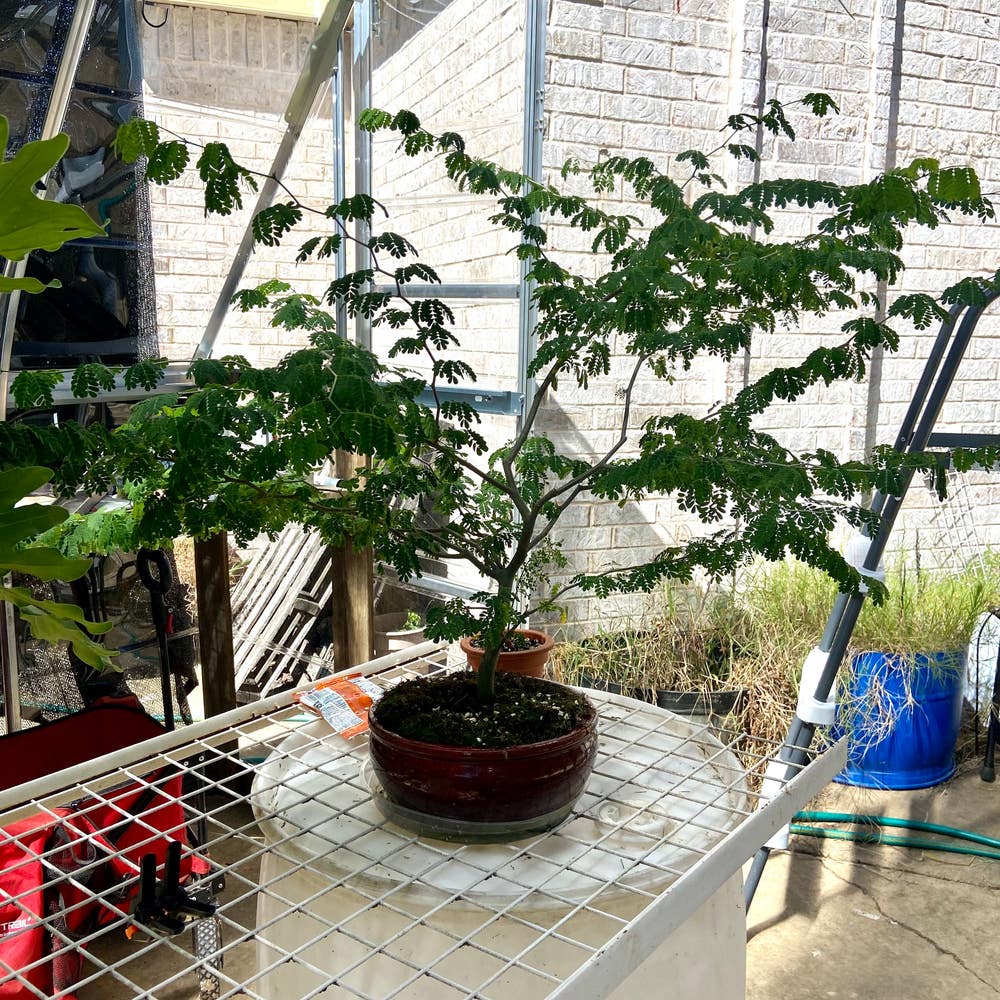
✂️ 10 Tips for Pruning White Cedar
Tabebuia heterophylla
By the Greg Editorial Team
Nov 25, 2024•8 min read
This article was created with the help of AI so we can cover more plants for you. May contain errors. See one? Report it here.
Transform your white cedar 🌳 into a stunning centerpiece with expert pruning tips for health and beauty!
- 🌳 Prune white cedar in late winter to early spring for optimal growth.
- ✂️ Use sharp, clean tools to ensure healthy cuts and prevent disease.
- 🌬️ Thinning improves air circulation, promoting overall tree health and vitality.
Best Time to Prune
🌱 Seasonal Timing
The ideal time to prune white cedar is during late winter to early spring, just before new growth begins. This timing allows you to shape the tree effectively while minimizing stress on the plant.
Avoid pruning during active growth periods, as this can lead to unnecessary strain and sap loss. Keeping your pruning schedule aligned with the tree's natural cycles is crucial for its health.
🔍 Signs Indicating Pruning Time
To determine when it's time to prune, look for dormant buds on the branches. These buds signal that the tree is ready for spring growth, making it the perfect moment to get to work.
Additionally, check for overgrown branches that disrupt the desired shape of your cedar. Addressing these issues will help maintain a healthy and aesthetically pleasing tree.
With the right timing and keen observation, you can ensure your white cedar thrives beautifully. Next, let’s explore the essential tools and equipment needed for effective pruning.
Tools and Equipment Needed
✂️ Essential Pruning Tools
To effectively prune your white cedar, you'll need a few essential tools. Start with hand pruners for small branches and fine detail work, ensuring precision in your cuts.
Next, grab loppers for medium-sized branches, which can handle up to 1.5 inches in diameter. For larger branches, a pruning saw is your best bet, allowing you to tackle tougher jobs with ease.
Don't forget about safety gear! Gloves, goggles, and a hard hat are crucial for protecting yourself while you work.
🛠️ Maintenance of Tools
Keeping your tools in top shape is vital for successful pruning. Regularly sharpen and clean them to ensure clean cuts, which helps prevent disease transmission.
Dull tools can lead to jagged cuts, increasing the risk of infection for your trees. By maintaining your equipment, you not only enhance your pruning efficiency but also promote the health of your white cedar.
With the right tools and proper maintenance, you're well on your way to achieving a beautifully pruned tree. Next, let's dive into the step-by-step pruning techniques that will help you shape your white cedar effectively.
Step-by-Step Pruning Techniques
✂️ General Techniques
Pruning white cedar effectively requires a systematic approach. Start by assessing the tree's shape and identifying branches that need removal.
Next, focus on dead or diseased branches. Cut these back to healthy tissue or the main stem to promote recovery.
🌳 Thinning Crowded Areas
Thinning out crowded areas is crucial for maintaining the tree's health. Remove branches that cross or rub against each other to prevent damage and encourage better air circulation.
🎨 Shaping the Tree
Shaping the tree is an art that balances aesthetics and health. Aim to maintain a natural conical shape or, if desired, create a formal hedge appearance.
🔪 Making the Right Cuts
When making cuts, always do so at a 45-degree angle. This technique promotes healing and minimizes the risk of disease.
🌿 Specific Techniques for Hedges
For hedges, precision is key. Trim the top and sides evenly to maintain a uniform height and width.
Using a string line can help achieve straight edges, especially for formal hedges. This simple tool ensures your cuts are clean and professional-looking.
With these techniques, you can enhance the beauty and health of your white cedar. Next, let’s explore common mistakes to avoid during the pruning process.
Common Mistakes to Avoid
Over-Pruning 🌳
One of the biggest pitfalls in pruning white cedar is overdoing it. Aim to cut no more than 25% of the tree's foliage in a single season; exceeding this can stress the tree and hinder its growth.
Incorrect Timing ⏰
Timing is crucial when it comes to pruning. Cutting during active growth can lead to sap loss, making the tree more susceptible to pests and diseases.
Neglecting Tool Maintenance 🛠️
Using dull or dirty tools is a recipe for disaster. Jagged cuts can invite disease, so always ensure your tools are sharp and clean before you start pruning.
Avoiding these common mistakes will set you on the right path for healthy and beautiful white cedar trees. Next, let’s explore the importance of deadheading and how it can enhance your plant's vitality.
Deadheading
Importance and Techniques 🌼
Deadheading is the process of removing spent flowers or seed cones from your white cedar. This simple act encourages new growth by preventing the plant from wasting energy on seed production.
- Why Deadhead?
- It promotes healthier foliage and denser growth.
To effectively deadhead, follow these steps:
- Identify spent cones or flowers that need removal.
- Use hand pruners to cut them off at the base.
- Dispose of the removed material to prevent disease spread.
Benefits for Plant Health 🌱
Deadheading offers several benefits that enhance the overall health of your white cedar. It encourages bushier growth, making your plant look fuller and more vibrant.
Additionally, removing decaying flowers reduces the risk of pest infestations. This proactive approach keeps your white cedar thriving and minimizes the chances of disease taking hold.
Incorporating deadheading into your regular maintenance routine will lead to a healthier, more attractive tree. Now that you understand the importance of deadheading, let’s explore seasonal considerations for pruning your white cedar.
Seasonal Considerations
🌱 Spring Pruning: Preparing for Growth
Spring is the perfect time to focus on shaping your white cedar and removing any dead wood. Aim to prune from late winter to early spring, just before new growth begins, ensuring your tree is ready to thrive.
☀️ Summer Pruning: Maintenance and Shaping
During summer, light trimming is essential to maintain the tree's shape and remove any new growth that disrupts its form. This season is also a great opportunity to monitor for pests and diseases, keeping your cedar healthy.
🍂 Fall Pruning: Preparing for Dormancy
As fall approaches, minimal pruning is recommended. Concentrate on removing any dead or diseased branches, ideally in early fall before the first frost sets in.
❄️ Winter Pruning: Risks and Considerations
Winter pruning requires caution; avoid it during extreme cold to prevent damage to your tree. If necessary, limit your pruning to minor adjustments to shape, ensuring the tree remains protected during harsh weather.
With these seasonal considerations in mind, you can effectively manage your white cedar's health and appearance throughout the year. Next, we’ll explore pruning techniques that not only enhance shape but also promote overall plant health.
Pruning for Disease Prevention
🦠 Identifying Common Diseases
When pruning white cedar, it's crucial to recognize common diseases that can affect its health.
- Phytophthora root rot is a significant threat, characterized by yellowing foliage and wilting.
- Cedar apple rust manifests as orange, gelatinous galls on the leaves, signaling an urgent need for action.
🚫 Techniques to Prevent Disease Spread
To keep your white cedar thriving, take proactive measures against disease.
- Remove infected branches immediately to halt the spread of pathogens.
- Ensure proper spacing between trees to promote air circulation, which helps reduce humidity and disease risk.
👀 Signs of Disease to Look for While Pruning
While pruning, stay vigilant for signs of disease that could compromise your tree's health.
- Look for yellowing leaves, wilting, or unusual growth patterns that may indicate underlying issues.
- Fungal growth or unusual spots on foliage are also red flags that shouldn't be ignored.
By being proactive and observant, you can significantly enhance the health and longevity of your white cedar. This vigilance not only prevents disease but also sets the stage for effective shaping and size control in your next pruning session.
Pruning for Shape and Size Control
✂️ Techniques for Shaping
To maintain a beautiful white cedar, selective pruning is key. This technique helps preserve the tree's natural conical shape, allowing it to thrive while looking its best.
For hedges, aim for an even trim to create a formal appearance. Regular maintenance ensures your hedge remains a neat and attractive boundary.
📏 Managing Size: When and How to Reduce Height
When it comes to reducing height, follow these steps:
- Identify branches that disrupt the desired height.
- Cut back to a lateral branch or bud to encourage new growth.
- Avoid cutting too much at once; gradual reduction is best.
This method not only controls size but also promotes healthy regrowth.
🌿 Creating a Natural Look vs. Formal Hedge Appearance
Deciding between a natural look and a formal hedge appearance can shape your garden's character. For a natural look, lightly prune to maintain an organic shape that blends with the landscape.
In contrast, a formal hedge requires regular, precise trimming to achieve a defined shape and size. This approach creates a structured and polished aesthetic that can enhance any outdoor space.
With these techniques, you can effectively manage the shape and size of your white cedar, ensuring it remains a stunning focal point in your garden. Next, we’ll explore common mistakes to avoid during the pruning process to keep your trees healthy and vibrant.
⚠️ Safety First
This content is for general information and may contain errors, omissions, or outdated details. It is not medical, veterinary advice, or an endorsement of therapeutic claims.
Always consult a qualified healthcare professional before using any plant as food, medicine, or supplement.
Never eat any plant (or feed one to pets) without confirming its identity with at least two trusted sources.
If you suspect poisoning, call Poison Control (800) 222-1222, the Pet Poison Helpline (800) 213-6680, or your local emergency service immediately.
Spotted an error? Please report it here.
Prune your white cedar like a pro ✂️ with Greg's tailored reminders and expert tips to ensure a thriving tree all year round!