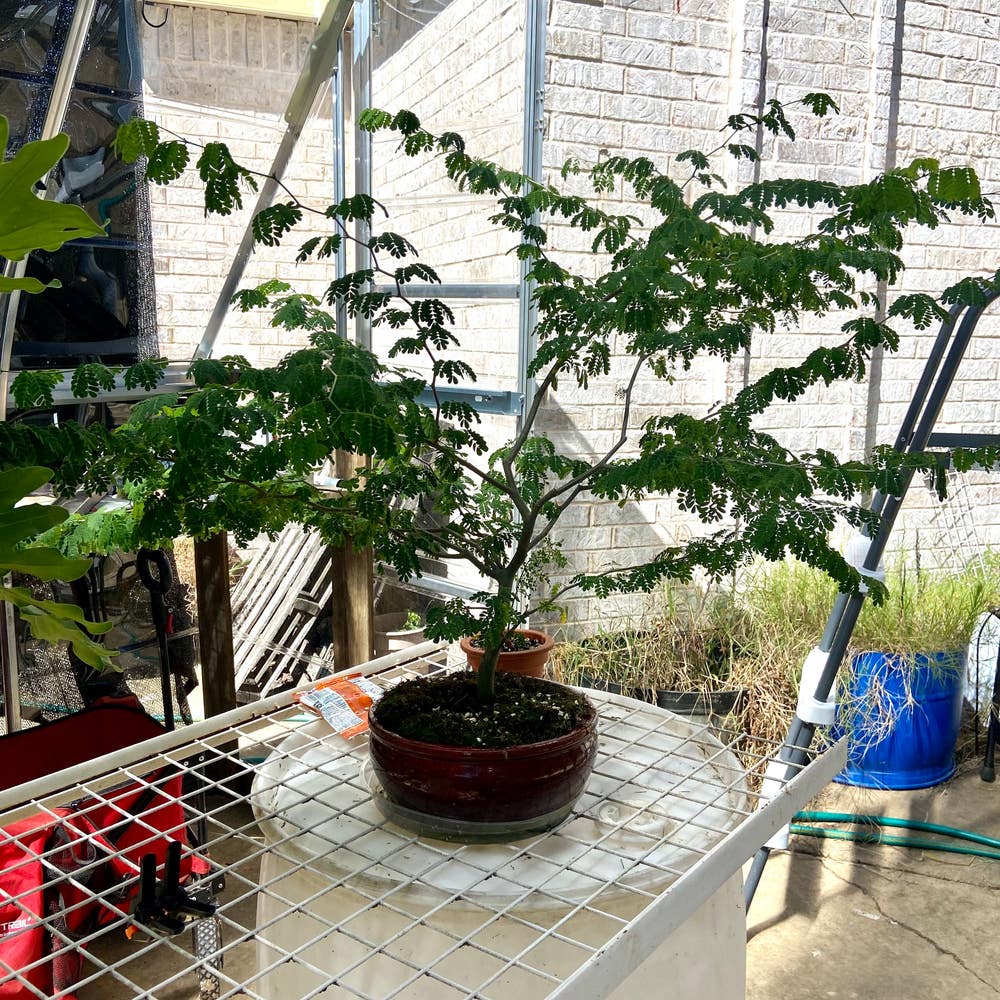
🌳 White Cedar: Not an Annual
Tabebuia heterophylla
By the Greg Editorial Team
Nov 25, 2024•7 min read
This article was created with the help of AI so we can cover more plants for you. May contain errors. See one? Report it here.
Unlock the timeless beauty of White Cedar 🌳, a resilient tree that enriches your garden for decades to come!
- 🌳 White Cedar can live over 100 years, thriving through multiple lifecycle stages.
- 🌱 Slow initial growth leads to rapid height increase as it matures.
- 💧 Drought-resistant and adaptable, White Cedar thrives in poor soil conditions.
Genetic and Physiological Characteristics
Long-term Lifecycle of White Cedar 🌳
White Cedar is known for its impressive lifespan, often living for several decades, and in some cases, over 100 years. This longevity is supported by distinct growth stages: seedling, juvenile, mature, and senescent phases, each contributing to its resilience.
Adaptations in its native habitats enhance its ability to thrive over time. These adaptations include drought resistance and the ability to grow in poor soil conditions, making it a survivor in various environments.
Growth Patterns Specific to White Cedar 📈
Initially, White Cedar exhibits slow growth, but this is followed by a rapid increase in height as it matures. This growth pattern is complemented by the development of a robust root system, which is crucial for supporting its long-term growth.
Seasonal growth cycles are also a key feature, with periods of dormancy that allow the tree to conserve energy and resources. Understanding these cycles can help gardeners appreciate the natural rhythm of this remarkable species.
Reproductive Strategies of White Cedar 🌱
White Cedar employs unique reproductive strategies to ensure its survival. Seed production is carefully timed, with optimal conditions needed for effective seed dispersal, often coinciding with specific seasonal changes.
In addition to seeds, White Cedar can reproduce vegetatively, cloning itself through sprouting from roots. This dual approach to reproduction sets it apart from true annuals, which typically rely solely on seed production for propagation.
Lifecycle Differences
Lifecycle of White Cedar vs. True Annuals 🌱
White Cedar has a distinctly different lifecycle compared to true annuals. While annuals complete their lifecycle in a single growing season, White Cedar progresses through several stages over decades.
Germination: White Cedar seeds require specific conditions, such as moisture and temperature, to germinate. In contrast, annuals often germinate quickly and in a wider range of conditions.
Growth: After germination, White Cedar enters a slow growth phase, gradually transitioning to more rapid height increases as it matures. Annuals, however, experience a swift growth phase, reaching maturity within a few months.
Flowering: White Cedar flowers sporadically, often depending on environmental conditions, while annuals typically bloom in a concentrated period, maximizing seed production.
Dormancy: White Cedar enters a dormancy phase during harsh winters, conserving energy for the next growing season. Annuals die off after seed production, leaving behind seeds for the next cycle.
The duration of each lifecycle stage in White Cedar can span years, while annuals complete their lifecycle in a matter of months. This fundamental difference highlights the resilience and longevity of White Cedar.
Impact of Perennial Lifecycle on Flowering 🌼
The perennial lifecycle of White Cedar significantly influences its flowering patterns. Unlike annuals that bloom once and die, White Cedar flowers multiple times throughout its life.
Frequency and Timing: Flowering in White Cedar occurs at intervals, often triggered by environmental cues such as temperature and moisture. This contrasts with annuals, which typically have a single, intense flowering period.
Flowering Duration and Seed Set: White Cedar's flowering duration can extend over several weeks, allowing for a more gradual seed set. Annuals, on the other hand, produce seeds quickly, often in a short burst after flowering.
This unique approach to flowering allows White Cedar to adapt to its environment, ensuring that it can produce viable seeds over time rather than all at once.
Seed Production in Perennials vs. Annuals 🌾
When it comes to seed production, White Cedar showcases a different strategy compared to annuals.
Quantity and Viability: White Cedar produces fewer seeds than annuals, but the seeds are often more viable. This means that while annuals may produce thousands of seeds, many may not survive to germinate.
Dispersal Strategies: White Cedar relies on wind and animals for seed dispersal, ensuring that its seeds reach suitable environments for growth. Annuals often use rapid seed release mechanisms to spread their seeds quickly across the landscape.
Understanding these differences in seed production and dispersal strategies is crucial for appreciating the ecological role of White Cedar in its native habitats.
As we explore the variations and exceptions that may lead to misclassification of White Cedar, we will uncover how environmental factors can influence perceptions of this remarkable perennial.
Variations and Exceptions
🧐 Conditions Where White Cedar May Be Mistaken for an Annual
White Cedar can sometimes be misidentified as an annual due to extreme pruning or environmental stress. When subjected to heavy cutting, these trees may exhibit stunted growth, leading observers to mistakenly believe they are short-lived plants.
In garden settings, factors such as poor soil conditions or inadequate watering can also contribute to this misclassification. A stressed White Cedar may not display its typical robust characteristics, further confusing gardeners about its true perennial nature.
🌍 Regional Variations Affecting White Cedar's Classification
Geographic distribution plays a significant role in how White Cedar grows and is perceived. In some regions, the local climate and soil conditions can lead to variations in growth habits, making the tree appear more like an annual.
Environmental factors, such as temperature fluctuations and moisture levels, can influence how White Cedar develops. These conditions may cause it to exhibit growth patterns that differ from its typical long-lived behavior, reinforcing the misconception that it is an annual species.
Understanding these variations is crucial for gardeners and enthusiasts alike. By recognizing the true nature of White Cedar, one can appreciate its resilience and adaptability in diverse environments.
As we explore the implications of these variations, we can better appreciate how to incorporate White Cedar into garden designs effectively.
Garden Design Implications
🌳 Advantages of Using White Cedar in Garden Design
Incorporating White Cedar into your garden offers numerous benefits. As a perennial, it provides stability and longevity, ensuring your landscape remains vibrant year after year.
White Cedar also contributes to ecological health. Its deep roots improve soil structure and prevent erosion, while its foliage provides habitat for various wildlife. This makes it a fantastic choice for sustainable gardening.
📅 Planning for Perennial Growth in Garden Layouts
When integrating White Cedar into your garden design, consider its growth habits. Start by allowing ample space for its robust root system, which supports its long-term health.
Companion planting is another effective strategy. Pair White Cedar with other perennials that thrive in similar conditions to create a harmonious ecosystem. Additionally, think about seasonal interest; the changing colors of White Cedar throughout the year can enhance your garden's visual appeal.
By planning thoughtfully, you can maximize the benefits of White Cedar while creating a stunning, resilient landscape. This approach not only beautifies your space but also fosters a thriving environment for plants and wildlife alike.
As you explore the management tips for White Cedar, you'll discover how to maintain its health and beauty throughout the seasons.
Management Tips for White Cedar
Best Practices for Maximizing Longevity 🌱
To ensure your White Cedar thrives, focus on promoting healthy growth and resilience. Start by providing adequate sunlight, as these trees prefer well-drained, sunny spots.
Soil health is crucial for longevity. Regularly test your soil to maintain optimal pH levels and nutrient content. Incorporate organic matter, like compost, to enhance soil structure and fertility.
Moisture management is equally important. White Cedar enjoys consistent moisture but can suffer from waterlogged conditions. Ensure proper drainage to prevent root rot while keeping the soil evenly moist.
Seasonal Considerations for White Cedar Care 🌦️
Caring for White Cedar involves seasonal tasks that keep it healthy year-round. In spring, consider light pruning to remove any dead or damaged branches, promoting new growth.
Mulching is a great practice to retain soil moisture and suppress weeds. Apply a layer of organic mulch around the base, but avoid piling it against the trunk.
Monitoring for pests is essential, especially during warmer months. Keep an eye out for common pests like aphids or spider mites, and address any infestations promptly.
Adjust your care practices based on regional climate variations. In colder areas, protect young trees from harsh winter winds, while in warmer climates, ensure they have enough water during dry spells.
By following these management tips, you can help your White Cedar flourish, contributing beauty and ecological benefits to your garden. Next, let’s explore the advantages of using White Cedar in garden design.
⚠️ Safety First
This content is for general information and may contain errors, omissions, or outdated details. It is not medical, veterinary advice, or an endorsement of therapeutic claims.
Always consult a qualified healthcare professional before using any plant as food, medicine, or supplement.
Never eat any plant (or feed one to pets) without confirming its identity with at least two trusted sources.
If you suspect poisoning, call Poison Control (800) 222-1222, the Pet Poison Helpline (800) 213-6680, or your local emergency service immediately.
Spotted an error? Please report it here.
Embrace the timeless beauty of White Cedar 🌲 by using Greg's tailored care tips to ensure it flourishes for generations in your garden!