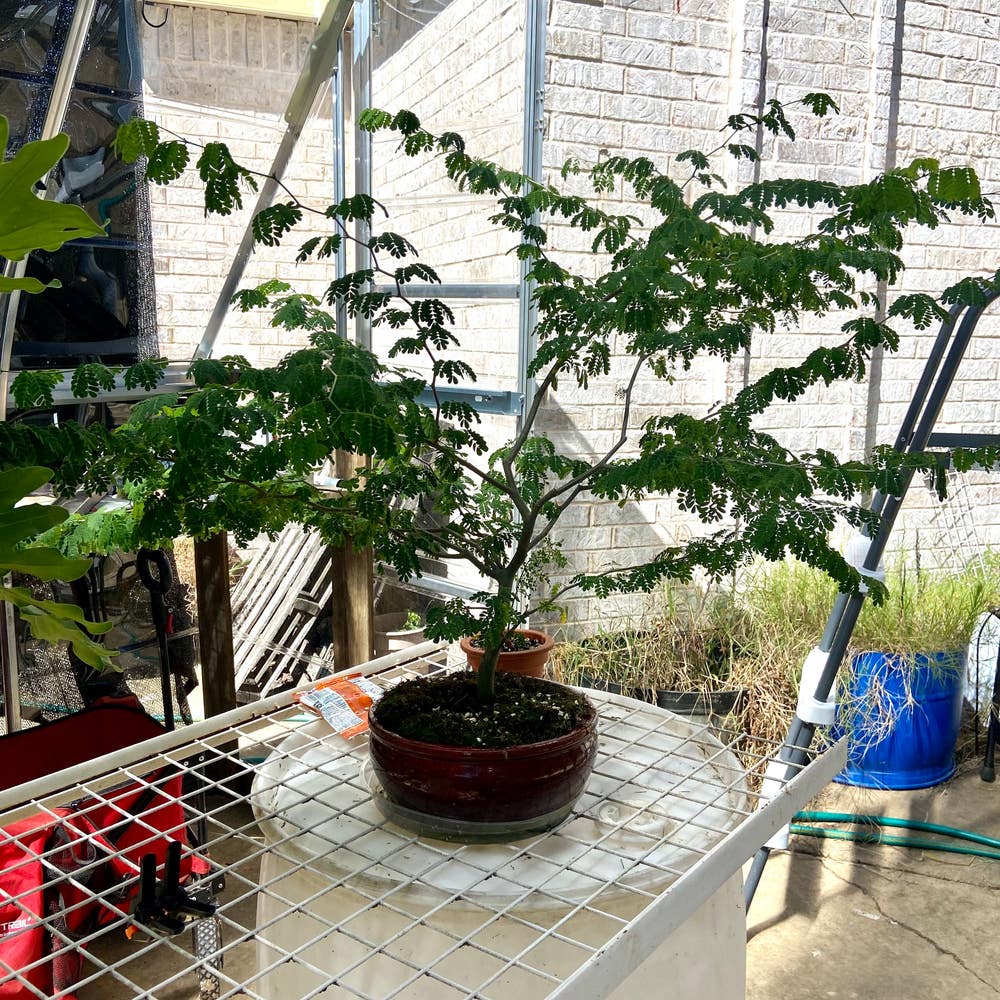
🌳 Where Can White Cedar Grow? Zones 10a-11b
Tabebuia heterophylla
By the Greg Editorial Team
Nov 08, 2024•5 min read
This article was created with the help of AI so we can cover more plants for you. May contain errors. See one? Report it here.
Unlock the secrets to thriving White Cedar 🌲 in any climate by mastering its temperature tolerance and ideal growing conditions!
- 🌳 White Cedar thrives in USDA zones 10a-11b, favoring warm climates for optimal growth.
- 🌡️ Cold-tolerant yet sensitive, it survives 10°F but struggles with prolonged cold stress.
- 🌊 Ideal conditions include well-drained soils and moderate humidity for healthy White Cedar.
Temperature Tolerance of White Cedar
❄️ Cold Tolerance
White Cedar can withstand minimum temperatures down to 10°F (-12°C), making it relatively resilient in cooler climates. This frost tolerance is crucial, as it allows the tree to survive in regions that experience occasional cold snaps.
Cold stress can significantly impact the growth and health of White Cedar. Symptoms include stunted growth and increased susceptibility to pests and diseases, which can ultimately lead to a decline in vitality.
🔥 Heat Tolerance
On the flip side, White Cedar can endure maximum temperatures of around 100°F (38°C). However, prolonged exposure to such heat can stress the tree, leading to reduced growth and vitality.
To thrive in warmer climates, White Cedar has developed several adaptations. These include deeper root systems that access moisture and a waxy leaf coating that reduces water loss, helping the tree maintain its health even in high temperatures.
Ideal Growing Regions
🌍 Suitable US States
White Cedar thrives in USDA zones 10a-11b, making several states ideal for its growth. Key states include:
- California: Particularly in coastal regions and the southern parts, where the climate is warm and humid.
- Florida: The subtropical climate provides the perfect conditions for White Cedar, especially in the central and southern areas.
- Texas: Regions along the Gulf Coast and in the southern part of the state offer favorable conditions.
These states not only provide the right temperature ranges but also have specific regions that enhance the growth potential of White Cedar.
🔑 Contributing Factors
Several factors contribute to the successful growth of White Cedar in these regions.
Soil Types
White Cedar prefers well-drained soils that retain some moisture. Sandy loams and clay loams are particularly beneficial, as they prevent waterlogging while providing essential nutrients.
Climate Characteristics
The ideal climate for White Cedar includes warm temperatures, moderate humidity, and consistent precipitation. These elements work together to create a nurturing environment that supports healthy growth.
Ecological Factors
The presence of native flora and fauna plays a crucial role in the growth of White Cedar. Local ecosystems provide necessary interactions, such as pollination and pest control, which are vital for the tree's health.
Understanding these contributing factors helps in identifying the best locations for planting White Cedar. This knowledge can guide gardeners and landscapers in making informed decisions about where to cultivate this resilient species.
As we delve deeper into the topic, we will explore how microclimates can further extend the growing range of White Cedar, allowing it to flourish even in unexpected areas.
Microclimates and Their Impact
🌱 Extending Growing Range
Microclimates play a crucial role in enabling White Cedar to thrive beyond its typical hardiness zones. These localized climate variations can create ideal conditions that differ significantly from the surrounding areas.
For instance, sheltered valleys can provide a buffer against harsh winds and temperature extremes. Similarly, coastal areas benefit from moderated temperatures and increased humidity, making them perfect for White Cedar growth.
🌊 Beneficial Microclimates
Certain locations are particularly well-suited for White Cedar due to their unique microclimates. Areas like the coastal regions of California and Florida showcase how these microclimates can support healthy growth.
Case studies reveal successful cultivation in regions not traditionally associated with White Cedar. For example, some growers in southern Texas have harnessed the benefits of nearby water bodies, which help maintain moisture levels and create a favorable environment for this tree species.
Understanding these microclimates can empower gardeners and landscapers to expand the growing range of White Cedar. This knowledge opens up new possibilities for cultivation in diverse environments, ensuring that more people can enjoy the beauty and benefits of this remarkable tree.
State-Level Suitability Analysis
🌟 Suitable States
White Cedar thrives in several states within USDA zones 10a-11b. Key states include:
- California: Known for its Mediterranean climate, California offers well-drained soils and mild winters, making it ideal for White Cedar cultivation.
- Florida: With its warm temperatures and high humidity, Florida provides a perfect environment for White Cedar to flourish, especially in coastal regions.
- Texas: The diverse climate across Texas, from humid coastal areas to drier inland regions, supports the growth of White Cedar, particularly in the eastern parts of the state.
These states not only provide the right temperatures but also have soil conditions that favor the healthy growth of White Cedar.
❌ Unsuitable States
Conversely, several states are not suitable for White Cedar. These include:
- North Dakota
- Minnesota
- Maine
The primary climate factors contributing to this unsuitability are prolonged cold winters and heavy frost. These conditions can severely hinder the growth and survival of White Cedar, which prefers milder climates.
📊 Suitability Analysis
When analyzing the suitability of White Cedar, several factors come into play.
- Temperature Ranges: White Cedar prefers temperatures above freezing, with optimal growth occurring in warmer conditions.
- Frost Dates: Late frosts can damage young trees, so states with shorter frost-free periods are less favorable.
- Soil Conditions: Well-drained soils rich in organic matter are crucial for the health of White Cedar.
Additionally, the adaptability of White Cedar to varying climates is noteworthy. While it thrives in warmer regions, understanding local ecological factors—like native flora and fauna—can enhance its success in different states.
This analysis underscores the importance of considering both climate and ecological conditions when determining the best locations for growing White Cedar. As we explore further, we’ll delve into the impact of microclimates on White Cedar's growth potential.
⚠️ Safety First
This content is for general information and may contain errors, omissions, or outdated details. It is not medical, veterinary advice, or an endorsement of therapeutic claims.
Always consult a qualified healthcare professional before using any plant as food, medicine, or supplement.
Never eat any plant (or feed one to pets) without confirming its identity with at least two trusted sources.
If you suspect poisoning, call Poison Control (800) 222-1222, the Pet Poison Helpline (800) 213-6680, or your local emergency service immediately.
Spotted an error? Please report it here.
Unlock the secrets to thriving White Cedar trees with Greg's tailored care tips for optimal growth 🌱, ensuring your plants flourish in their ideal conditions!