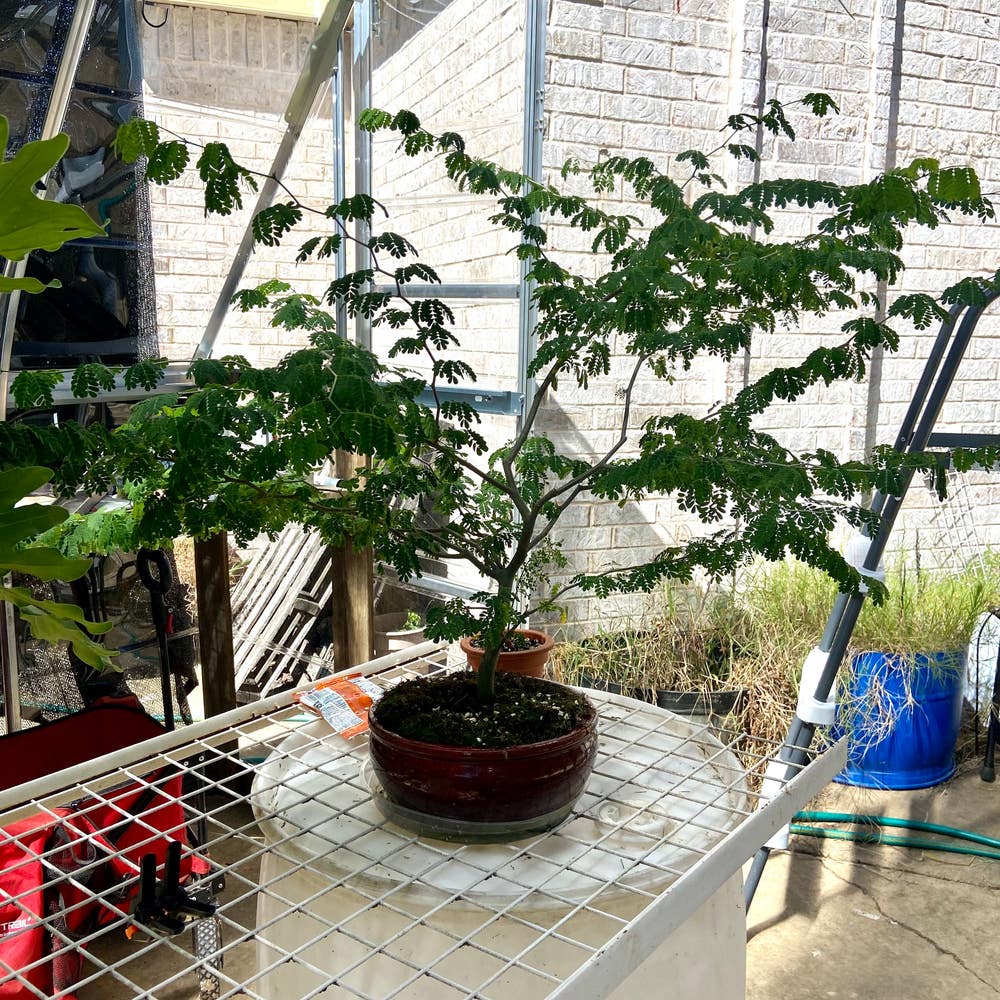
🌳 How to Cure Leaves Falling Over on Your White Cedar
Tabebuia heterophylla
By the Greg Editorial Team
Nov 08, 2024•6 min read
This article was created with the help of AI so we can cover more plants for you. May contain errors. See one? Report it here.
Unlock the secrets to a thriving white cedar 🌲 by mastering the causes of leaf drop and effective care strategies!
- 🌧️🌞 Environmental stress from drought or excess moisture causes leaves to fall over.
- 🥬 Nutrient deficiencies in nitrogen and potassium lead to yellowing and stunted growth.
- 🐛 Pest infestations like aphids damage leaves, contributing to leaf drop.
Causes of Leaves Falling Over
🌪️ Environmental Stress Factors
Drought conditions can severely impact your white cedar. When leaves turn brown and drop, it signals insufficient soil moisture, leading to stress that can compromise the tree's health.
Conversely, excessive moisture can create its own set of problems. Yellowing leaves and root rot indicate poor drainage, which suffocates roots and promotes fungal diseases.
🥦 Nutrient Deficiencies
Nutrient deficiencies are another common culprit. A nitrogen deficiency manifests as yellowing leaves and stunted growth, as nitrogen is essential for leaf health and overall vigor.
Potassium deficiency presents differently, with browning leaf edges and increased susceptibility to disease. This nutrient plays a crucial role in water regulation and stress tolerance.
🐛 Pest Infestations
Pest infestations can wreak havoc on your cedar. Aphids, for instance, cause curling leaves and leave behind a sticky residue, weakening the tree and potentially leading to leaf drop.
Spider mites are another threat, identifiable by fine webbing and stippled leaves. If left unchecked, these pests can cause significant damage.
🍄 Fungal Diseases
Fungal diseases can also contribute to leaf drop. Root rot, characterized by wilting and yellowing leaves despite adequate watering, often results from overwatering and poorly drained soils.
Needle blight is another concern, leading to premature needle drop and browning. This condition thrives in humid environments, making it essential to monitor moisture levels.
🍂 Seasonal Changes
Seasonal changes naturally influence leaf drop. In spring, older leaves may shed as new growth emerges, a normal part of the growth cycle.
In fall, trees adapt to conserve resources for winter. This seasonal leaf drop is a survival strategy, allowing the tree to focus energy on enduring colder months.
Understanding these causes is crucial for diagnosing and treating your white cedar effectively. Next, we will explore how to diagnose the specific problems affecting your tree.
Diagnosing the Problem
🕵️♂️ Identifying Symptoms of Leaf Drop
To effectively diagnose leaf drop in your white cedar, start by observing leaf color changes. Yellowing, browning, or curling leaves can indicate various issues that need addressing.
Next, note the timing of leaf drop. Is it part of a seasonal pattern, or does it happen suddenly? Understanding this can help pinpoint the underlying cause.
🌱 Assessing Soil Conditions and Moisture Levels
Soil conditions play a crucial role in tree health. Conduct soil moisture testing using a moisture meter or the finger test to gauge how wet or dry the soil is.
Aim for consistently moist soil, but avoid waterlogged conditions. Additionally, evaluate soil drainage; signs of poor drainage include standing water or compacted soil, which can suffocate roots.
🐛 Checking for Pests and Signs of Infestation
Pests can wreak havoc on your white cedar. Perform a visual inspection to look for pests on leaves and stems, and check for signs of damage like webbing, sticky residue, or discolored leaves.
Using sticky traps can help monitor pest populations effectively. This proactive approach can prevent minor infestations from becoming major problems.
🌳 Evaluating Overall Tree Health and Growth Patterns
Assessing overall tree health involves looking at growth patterns. Are there signs of vigor, or does the tree appear to be in decline?
Also, consider any previous stress events, such as recent weather conditions or landscaping changes. These factors can significantly impact your tree's health and help you determine the best course of action.
By carefully diagnosing these aspects, you can take informed steps to remedy the situation and promote a healthier white cedar. Next, we’ll explore treatment and alleviation strategies to address the issues identified.
Treatment and Alleviation
🌊 Adjusting Watering Practices
Improving drainage is crucial for your white cedar's health. Amend the soil with organic matter, such as compost, to enhance drainage and prevent waterlogging.
For watering frequency, aim to water deeply but infrequently. This approach allows the soil to dry slightly between sessions, promoting healthy root development.
🌱 Fertilization Techniques
Choosing the right fertilizer is essential for your tree's vigor. Opt for a balanced fertilizer that includes both nitrogen and potassium to support leaf health and growth.
Timing is also key; fertilize in early spring before new growth begins. This ensures your tree has the nutrients it needs as it enters its active growing season.
🐛 Pest Control Methods
When it comes to pest control, consider organic options first. Neem oil or insecticidal soap can effectively manage aphid populations without harming beneficial insects.
For severe infestations, systemic insecticides may be necessary. These chemicals work from within the plant, providing longer-lasting protection against pests.
🦠 Disease Management Strategies
Managing fungal diseases requires a proactive approach. Use fungicides according to label instructions for effective treatment and prevention of issues like root rot and needle blight.
Additionally, implement cultural practices to enhance tree health. Improving air circulation around your white cedar and avoiding overhead watering can significantly reduce the risk of fungal infections.
By addressing these treatment and alleviation strategies, you can help your white cedar thrive and reduce the likelihood of leaves falling over. Next, let’s explore preventive measures to ensure your tree remains healthy year-round.
Preventive Measures
Best Practices for Planting and Site Selection 🌱
Choosing the right location for your white cedar is crucial. Aim for well-drained soil and a spot that receives partial shade to full sun.
Soil preparation is equally important. Test the soil pH and amend it as necessary to create an optimal growing environment.
Regular Maintenance Routines 🔧
Regular pruning helps maintain the health of your tree. The best time to prune is late winter to early spring, focusing on removing dead or diseased branches.
Mulching is another essential practice. It helps retain soil moisture and suppresses weeds, creating a healthier environment for your cedar.
Seasonal Care Tips ❄️
Winter protection is vital for young trees. Wrap them in burlap to shield against harsh winds and extreme cold.
During the summer, hydration is key. Regularly check soil moisture to ensure your tree stays healthy during hot months.
Monitoring and Early Detection Strategies 📱
Regular inspections can catch potential issues before they escalate. Aim for monthly checks to look for signs of stress or pests.
Using technology can enhance your care routine. Consider utilizing the Greg plant care app for reminders on watering and fertilizing, ensuring your tree gets the attention it needs.
By implementing these preventive measures, you can significantly reduce the risk of leaves falling over on your white cedar. This proactive approach not only promotes a thriving tree but also enhances your gardening experience.
⚠️ Safety First
This content is for general information and may contain errors, omissions, or outdated details. It is not medical, veterinary advice, or an endorsement of therapeutic claims.
Always consult a qualified healthcare professional before using any plant as food, medicine, or supplement.
Never eat any plant (or feed one to pets) without confirming its identity with at least two trusted sources.
If you suspect poisoning, call Poison Control (800) 222-1222, the Pet Poison Helpline (800) 213-6680, or your local emergency service immediately.
Spotted an error? Please report it here.
Keep your white cedar thriving 🌲 by using Greg for tailored watering and nutrient reminders that tackle environmental stress and pests head-on!