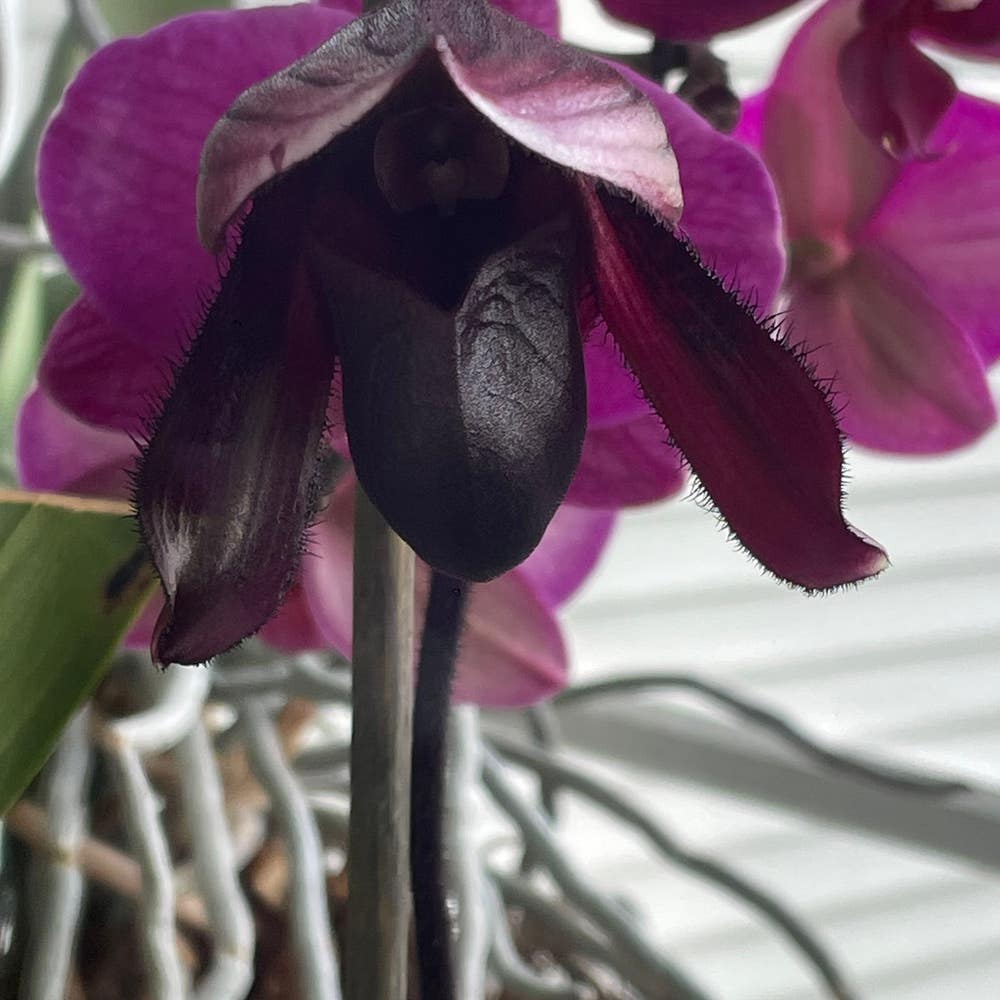
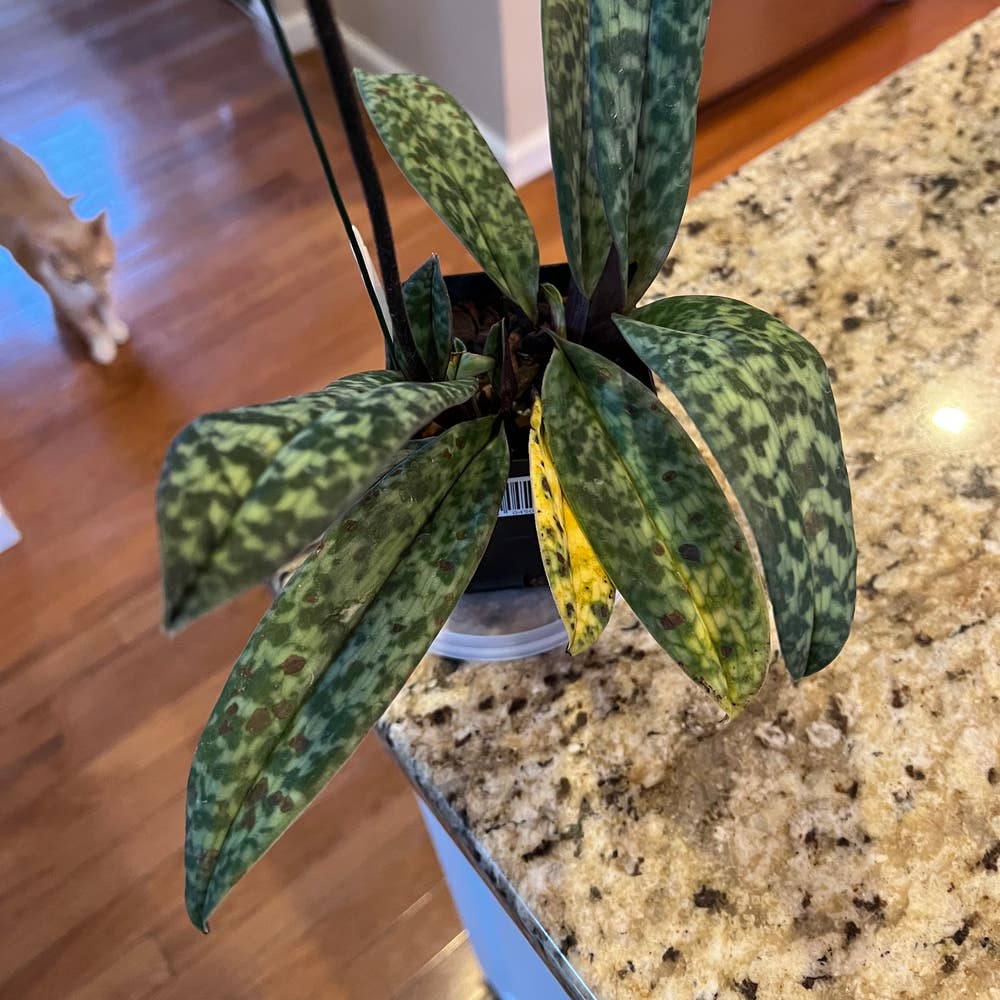
🌸 Spicer's Paphiopedilum: Where to Plant
Paphiopedilum spicerianum
By the Greg Editorial Team
Oct 02, 2024•4 min read
This article was created with the help of AI so we can cover more plants for you. May contain errors. See one? Report it here.
- 🌞 Spicer's Paphiopedilum needs 50-70% shade for optimal growth and health.
- 🌿 Use well-draining, organic-rich soil with bark, perlite, and sphagnum moss.
- 🌬️ Protect from wind by placing orchids in sheltered areas or using natural windbreaks.
Sunlight Exposure
Optimal Light Conditions 🌤️
Spicer's Paphiopedilum thrives in filtered light rather than direct sunlight. Aim for an ideal sunlight exposure of 50-70% shade to keep your plant happy and healthy.
Watch for signs of too much light, such as leaf burn or yellowing. These indicators can help you adjust the lighting conditions before serious damage occurs.
Indoor vs. Outdoor Light Requirements 🪴
When growing indoors, place your Paphiopedilum near windows where it can soak up bright, indirect light. This setup mimics its natural habitat and promotes healthy growth.
For outdoor planting, position it underneath taller plants or structures to provide dappled sunlight. This arrangement protects the orchid from harsh rays while still allowing it to thrive.
Understanding these light requirements is crucial for the success of your Spicer's Paphiopedilum. Next, let’s explore the best soil type to support its growth.
Soil Type
Recommended Soil Conditions 🌱
For Spicer's Paphiopedilum, a well-draining, organic-rich potting mix is essential. The ideal blend includes components like bark, perlite, and sphagnum moss to create a nurturing environment.
Importance of Drainage and Aeration 💧
Proper drainage is crucial to prevent root rot, allowing excess water to escape efficiently. Additionally, good aeration promotes root health, ensuring your orchid thrives in its pot.
By focusing on the right soil conditions, you set the stage for a flourishing Spicer's Paphiopedilum. Next, let’s explore how to choose the best companions for your orchid.
Proximity to Other Plants
🌱 Companion Plants
Choosing the right companions for Spicer's Paphiopedilum can enhance its growth and overall health. Ideal partners include ferns, other orchids, and shade-loving plants, which help create a humid microenvironment that benefits all.
🚫 Avoiding Overcrowding
To ensure your Paphiopedilum thrives, maintain a spacing of at least 12-18 inches between plants. Overcrowding can lead to stunted growth and poor flowering, so keep an eye out for these signs to adjust your planting arrangement as needed.
⚖️ Creating a Balanced Environment
When planting, consider the needs of both your Paphiopedilum and its companions. A well-planned arrangement not only promotes healthy growth but also adds visual interest to your garden or indoor space.
🔍 Monitoring Plant Health
Regularly check your plants for signs of distress. If you notice any stunted growth or reduced flowering, it might be time to reassess their proximity to one another.
By carefully selecting companion plants and ensuring adequate spacing, you can create a thriving environment for your Spicer's Paphiopedilum. This thoughtful approach sets the stage for the next important factor: assessing the best spot for optimal growth.
Assessing the Best Spot
🌞 Evaluating Sunlight and Shade
Finding the right spot for Spicer's Paphiopedilum starts with understanding light exposure. Use a light meter or a smartphone app to gauge light intensity, making it easy to determine if your chosen location meets the plant's needs.
Observe how light patterns change throughout the day. This will help you identify the best times for your orchid to receive filtered light without being scorched by direct sunlight.
🌳 Identifying Areas with Consistent Shade
Look for areas that naturally receive filtered light or are shaded by nearby structures. These spots are ideal for your Paphiopedilum, ensuring it thrives in a comfortable environment.
If you find that natural shade is insufficient, consider using shade cloth. This simple addition can help create the perfect microclimate for your orchid, promoting healthy growth and vibrant blooms.
With the right light conditions established, you can move on to ensuring your plant has the ideal soil type for optimal health.
Wind Protection
🌬️ Importance of Windbreaks
Wind can be a sneaky adversary for Spicer's Paphiopedilum. It can damage leaves and flowers, ultimately affecting the plant's overall health.
To combat this, consider using natural windbreaks like fences, hedges, or taller plants. These barriers can shield your orchids from harsh gusts, creating a more stable environment.
🛡️ Best Practices for Providing Wind Protection
Positioning Spicer's Paphiopedilum in sheltered areas is essential for its well-being. Look for spots that offer some natural protection from the wind.
If you're planting in more exposed locations, using stakes or supports can provide additional stability. This simple step can make a significant difference in your plant's health and growth.
By ensuring your orchids are well-protected from wind, you set the stage for vibrant blooms and lush foliage. Next, let’s explore how to assess the best spot for your Paphiopedilum, focusing on sunlight and shade.
⚠️ Safety First
This content is for general information and may contain errors, omissions, or outdated details. It is not medical, veterinary advice, or an endorsement of therapeutic claims.
Always consult a qualified healthcare professional before using any plant as food, medicine, or supplement.
Never eat any plant (or feed one to pets) without confirming its identity with at least two trusted sources.
If you suspect poisoning, call Poison Control (800) 222-1222, the Pet Poison Helpline (800) 213-6680, or your local emergency service immediately.
Spotted an error? Please report it here.
Give your Spicer's Paphiopedilum the perfect home 🌞 with Greg's tailored care tips that ensure it thrives in filtered light and a well-draining mix!