🌸 4 Factors Influencing Spicer's Paphiopedilum Size
Paphiopedilum spicerianum
By the Greg Editorial Team
Oct 02, 2024•5 min read
This article was created with the help of AI so we can cover more plants for you. May contain errors. See one? Report it here.
- 🌱 Spicer's Paphiopedilum grows 12-24 inches, influenced by care and environment.
- 🌞 Optimal light and humidity (50-70%) are crucial for healthy growth.
- 🪴 Repotting and balanced fertilization enhance growth and size over time.
Mature Height and Spread
Typical Dimensions 🌱
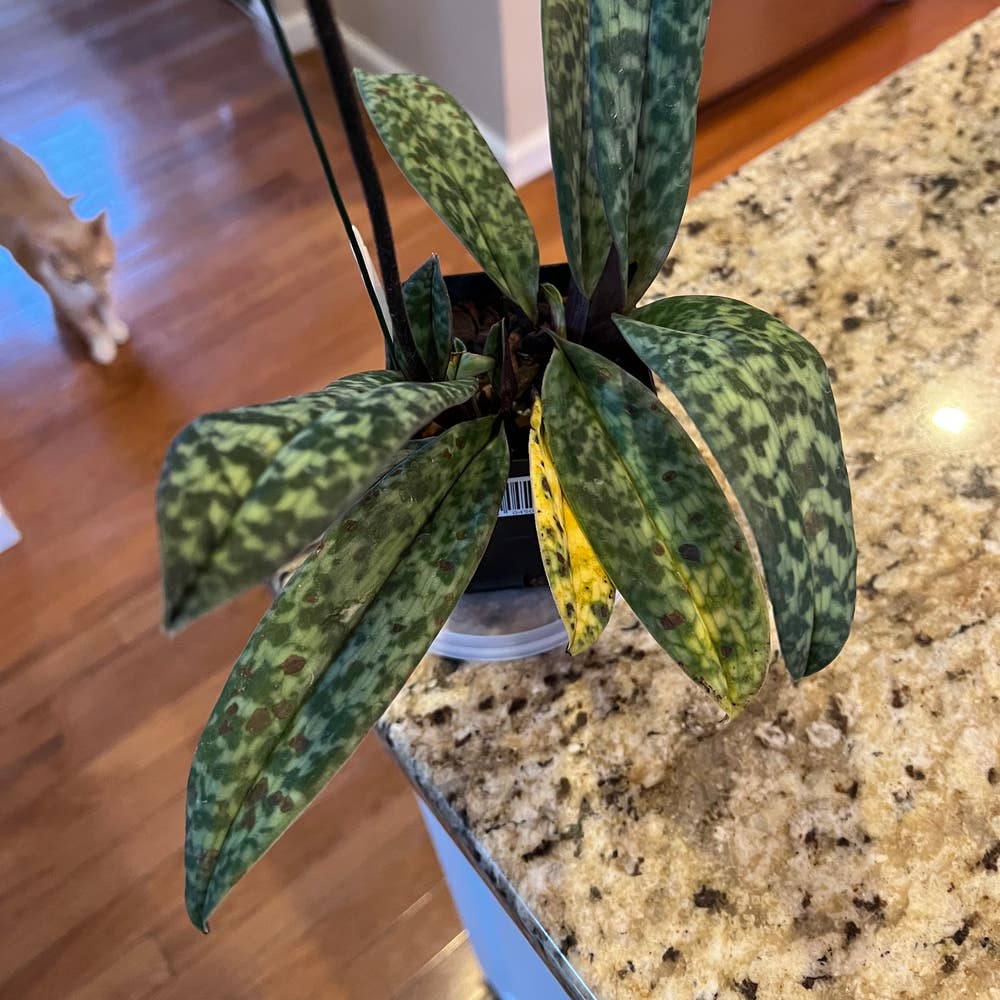
Spicer's Paphiopedilum typically reaches a mature height of 12 to 18 inches (30 to 45 cm). Its spread can range from 12 to 24 inches (30 to 60 cm), making it a striking addition to any plant collection.
Growth Habits 🌼
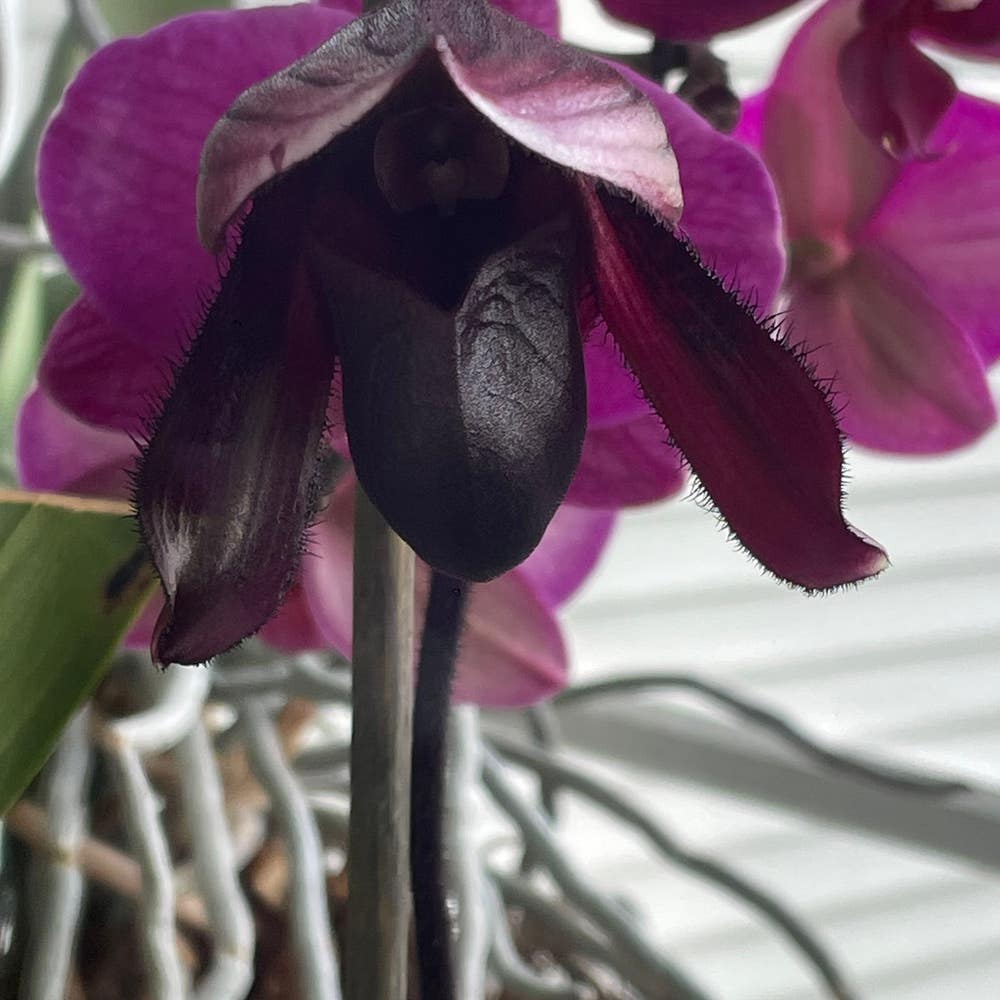
These orchids grow in a unique pattern, forming rosettes with broad, lush leaves. During blooming, they can extend their height up to 24 inches (60 cm), showcasing their beautiful flowers.
Factors Affecting Mature Dimensions 📏
Environmental conditions play a crucial role in determining the final size of Spicer's Paphiopedilum. Individual plant health and care practices also contribute to variability in size, emphasizing the importance of attentive cultivation.
Understanding these factors can help you optimize your care routine, ensuring your orchids thrive and reach their full potential. As we explore further, we’ll delve into how growth rates and time to full size can impact your experience with these fascinating plants.
Growth Rate and Time to Full Size
Growth Rate Characteristics 🌱
Spicer's Paphiopedilum is known for its slow growth rate, typically taking 3 to 5 years to reach its mature size. During this period, the plant shows more active growth in the warmer months, making seasonal changes crucial for its development.
Timeframe to Maturity ⏳
Under optimal conditions, you can expect your Paphiopedilum to achieve full size within 3 to 5 years. However, various factors, such as light, humidity, and care practices, can either accelerate or decelerate this growth rate.
Importance of Growth Rate 📈
Understanding the growth rate of Spicer's Paphiopedilum is essential for planning your care routine. By knowing what to expect, you can better manage your plant's needs and set realistic expectations for its size over time.
As you delve deeper into the factors influencing size, you'll discover how environmental conditions play a pivotal role in shaping your plant's growth journey.
Size Variability Among Specimens
🌱 Factors Contributing to Size Variability
Size variability in Spicer's Paphiopedilum can be attributed to several key factors. Environmental conditions, such as light, humidity, and temperature, play a crucial role in determining how large these plants can grow.
Genetic differences among individual plants also contribute to size variability. Some specimens may naturally grow larger or smaller due to their unique genetic makeup.
🔍 Observations of Size Variability
You might notice significant size differences among various specimens of Spicer's Paphiopedilum. For instance, one plant may reach a mature height of 12 inches, while another could stretch up to 18 inches.
Care practices can greatly influence these size variations. Factors like watering frequency, fertilization, and potting conditions can either enhance or hinder growth, leading to noticeable differences among plants.
Understanding these aspects helps you appreciate the diversity within this species and guides you in providing the best care for your plants. As you cultivate your Spicer's Paphiopedilum, keep in mind how these factors can shape their growth journey.
Next, we’ll explore the influencing factors on size, including environmental conditions and care techniques.
Influencing Factors on Size
🌤️ Environmental Conditions
Light Requirements
For Spicer's Paphiopedilum, optimal growth hinges on bright, indirect light. Insufficient light can stunt growth, while excessive light may scorch the leaves, both affecting the plant's overall size.
Humidity and Temperature
Humidity plays a crucial role in the health of these orchids. Ideal humidity levels range from 50% to 70%, while temperatures between 65°F and 80°F (18°C to 27°C) create the perfect environment for growth.
🪴 Potting Medium and Container Size
Choosing the right potting medium is essential for Spicer's Paphiopedilum. A well-draining mix prevents root rot and promotes healthy growth, directly influencing the plant's size.
Container size also matters. A pot that’s too small can restrict root growth, limiting the plant’s potential size. Conversely, a larger container allows for more expansive root development.
🌱 Nutrient Availability and Fertilization
Balanced fertilization is key to promoting healthy growth in Spicer's Paphiopedilum. The timing and type of fertilizers used can significantly influence the plant's size, ensuring it receives the nutrients it needs to thrive.
Understanding these influencing factors can help you create the ideal conditions for your Spicer's Paphiopedilum, setting the stage for vibrant growth and stunning blooms. Next, we’ll explore size variability among different specimens and what contributes to those differences.
Size Control Techniques
Controlling the size of Spicer's Paphiopedilum can enhance its beauty and health. Here are some effective techniques to manage its growth.
✂️ Pruning Methods to Manage Size
Techniques for Pruning
Pruning is essential for maintaining the desired size of your Paphiopedilum. Focus on removing dead or yellowing leaves and spent flowers to encourage new growth.
Use sharp, clean tools to avoid damaging the plant. Prune during the growing season for the best results, typically in spring or early summer.
🪴 Container Size Adjustments for Growth Control
Selecting the right container size is crucial for controlling growth. A pot that is too large can lead to excessive root growth, while a small pot may restrict development.
To manage growth, consider repotting your plant every couple of years. This allows you to adjust the container size based on the plant's needs.
🌱 Fertilization Strategies to Influence Growth Rate
Tailoring your fertilization approach can significantly impact the growth rate and size of your Paphiopedilum. Use a balanced fertilizer to promote healthy growth without overwhelming the plant.
Aim for a fertilization schedule that aligns with the growing season. Typically, feeding every 4-6 weeks during active growth will yield the best results.
Understanding these size control techniques will help you cultivate a thriving Paphiopedilum. Next, let’s explore the factors contributing to size variability among specimens.
⚠️ Safety First
This content is for general information and may contain errors, omissions, or outdated details. It is not medical, veterinary advice, or an endorsement of therapeutic claims.
Always consult a qualified healthcare professional before using any plant as food, medicine, or supplement.
Never eat any plant (or feed one to pets) without confirming its identity with at least two trusted sources.
If you suspect poisoning, call Poison Control (800) 222-1222, the Pet Poison Helpline (800) 213-6680, or your local emergency service immediately.
Spotted an error? Please report it here.
Unlock the full potential of your Spicer's Paphiopedilum 🌸 with Greg's personalized care tips and reminders, ensuring your orchid thrives beautifully in your home!