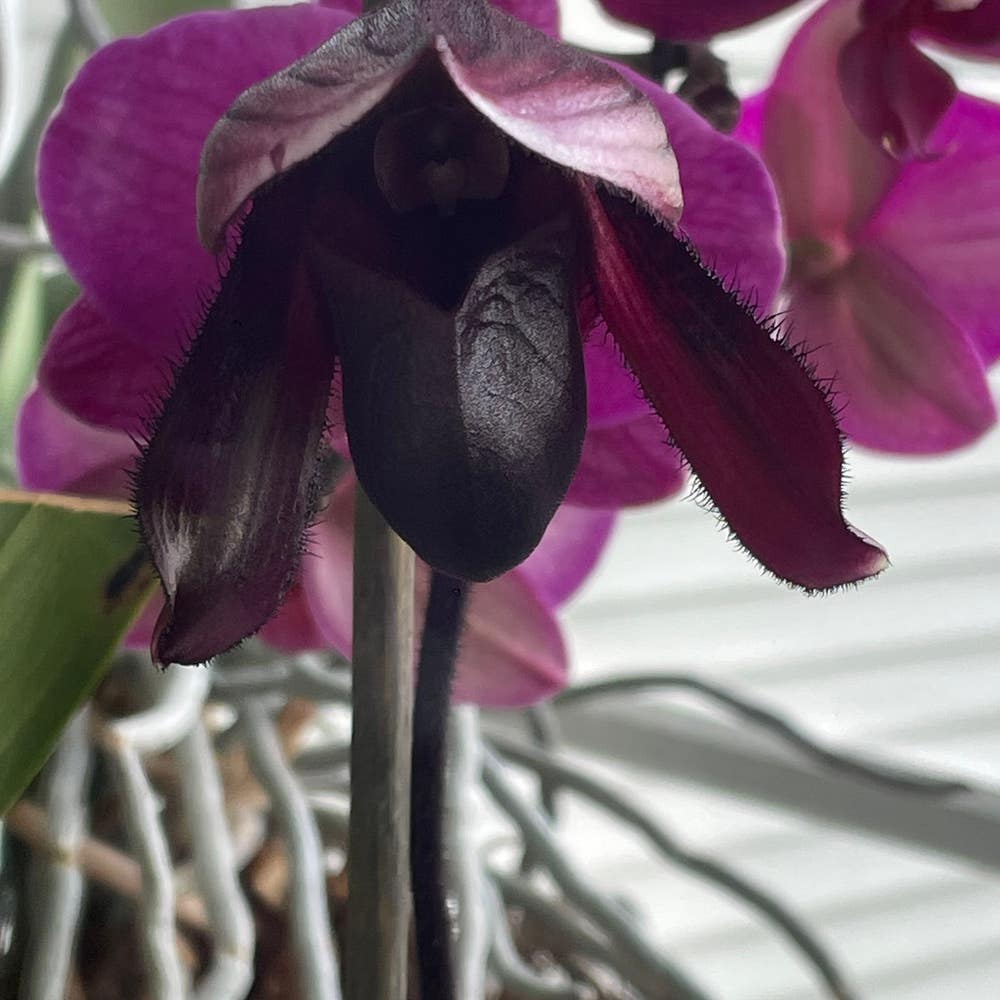
🌸 How to Get a Paphiopedilum spicerianum to Bloom
Paphiopedilum spicerianum
By the Greg Editorial Team
Apr 06, 2024•5 min read
This article was created with the help of AI so we can cover more plants for you. May contain errors. See one? Report it here.
- 🌟 Bright, indirect light is key for Paphiopedilum spicerianum to bloom.
- 🌡️ Consistent temperature and humidity foster optimal blooming conditions.
- ✂️ Prune and fertilize strategically to encourage and sustain blooms.
Nailing the Perfect Blooming Conditions
🌞 Light: The Orchid's Best Friend or Foe
Bright, indirect light is the sweet spot for Paphiopedilum spicerianum. Direct sunlight is a no-go—think of it as a one-way ticket to leaf burn. A shady spot or sheer curtains can act as sunscreen for your plant. Consistent light exposure, mimicking natural rhythms, sets the stage for blossoms. If your home lacks sufficient daylight, consider grow lights, especially those emitting red wavelengths to nudge your orchid into its floral performance.
🌡️ Temperature and Humidity: The Cozy Blooming Environment
The ideal temperature for Paphiopedilum spicerianum is a consistent warm but not scorching environment, cool but not freezing. Stability is crucial—once buds form, keep conditions steady to prevent bud drop. Aim for a humidity level around 60-70%. A pebble tray or humidifier can help maintain this tropical moisture without tipping into a fungal nightmare. Remember, it's the trio of light, temperature, and humidity that sets the stage for those elusive blooms.
Feeding Your Orchid for Fabulous Flowers
💧 Watering Wonders: Quenching Thirst for Blooms
Orchids are drama queens when it comes to water—too much or too little, and they'll let you know. Consistency is key. Water when the top inch of soil feels like a parched tongue, typically every 7 to 10 days. But watch your orchid's leaves; they're better indicators than any schedule.
💦 When to hold back: Avoiding overwatering during the blooming phase.
During the blooming phase, your orchid isn't chugging water like it's going out of style. Ease up. Overwatering can drown those roots, leading to a sad, bloomless plant. Let the soil approach dryness between waterings, and you'll be golden.
🌱 Fertilizer: The Secret Sauce for Spectacular Blooms
Choosing the right fertilizer is like picking a fine wine—it needs to complement the meal, not overpower it. Look for a balanced, water-soluble fertilizer with all the macronutrients (N-P-K) plus the essential micronutrients. It's the gourmet meal your orchid craves.
⏰ Timing is everything: Fertilizing schedule for optimal blooms.
Timing your fertilizer application is like hitting the dance floor at just the right song. During active growth, feed your orchid every other week. When it's showtime, and the blooms are out, you can take a bow and give the fertilizer a rest. Remember, less is often more.
Pruning and Repotting: The Unsung Heroes of Blooming
🌱 Pruning: More Than Just a Trim
Pruning isn't just about aesthetics; it's orchid triage. Strategic snips redirect your plant's energy towards blooming. Timing is critical—prune after flowering to avoid cutting off future bloom potential.
Identify spent blooms and non-productive stems. Cut above a node on the stem to encourage new growth. Clean, sharp tools are a must—think of them as the surgeon's scalpel for your orchid.
🏡 Repotting Without the Flowering Fret
Repotting is like relocating—stressful but sometimes necessary. It's all about timing: post-bloom, when your orchid is ready for new growth, is ideal. Be gentle with the roots to avoid setbacks in flowering.
Choose a pot that allows good air circulation and drainage. Orchid roots engage in photosynthesis, so a clear pot can be beneficial. After repotting, water deeply but sparingly, trusting your orchid to settle in its new home.
After the Applause: Post-Blooming Care and Prep
🌸 Celebrating Success and Preparing for an Encore
Once the last petal takes its final bow, the real show begins backstage. Post-blooming care is not just routine; it's strategic preparation for the next floral spectacle.
Deadheading is your first move. Snip off those spent blooms to redirect your orchid's energy towards future growth. Think of it as your plant's personal trainer telling it to focus on the next big goal.
🎭 Setting the Stage for the Next Blooming Cycle
Your orchid's encore requires a stable environment. Maintain consistency in temperature and humidity to avoid shocking the star of your garden. It's like keeping the dressing room comfortable for an A-list celebrity.
Balanced fertilization is the encore pep talk. Apply it sparingly, like a backstage whisper, to encourage the roots to gear up for another round of applause. Remember, overfeeding is the botanical equivalent of a stage dive gone wrong.
Pest patrols are non-negotiable. Regular checks for aphids and mealybugs ensure these unwanted groupies don't sabotage the next show. It's like having bouncers at the stage door.
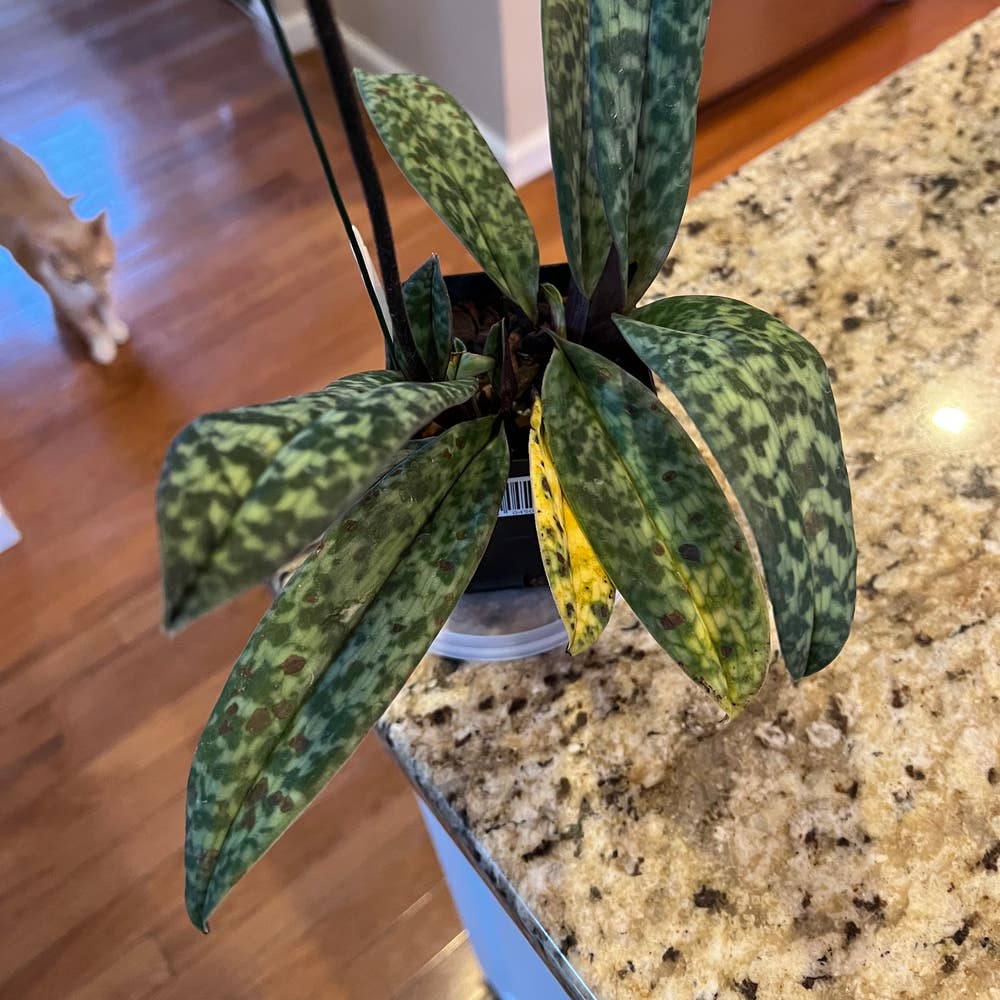
Lastly, keep an eye on the foliage. Leaves are the mood ring of your orchid, signaling if your care routine needs tweaking. Yellow or droopy? Time to adjust your tactics. It's a dialogue, not a monologue, with your plant.
Blooming Troubleshooting: When Flowers Are Shy
🌼 Identifying the Flower Blockers
Light can make or break your orchid's blooming potential. Too little, and your plant may never produce flowers; too much, and you risk leaf burn. Watering must be balanced as well; overwatering leads to root rot, while underwatering stresses the plant. Pests such as aphids and spider mites drain the plant's vitality, hindering bloom production. An excess of nitrogen in fertilizer can promote leaf growth at the expense of flowers, so a phosphorus-rich diet is preferable during the blooming season.
🛠️ Solutions to Get Back on the Blooming Track
To coax blooms from your Paphiopedilum spicerianum, start by adjusting light levels to bright, indirect sunlight. Ensure the watering schedule allows the soil to dry slightly between waterings. Inspect regularly for pests and treat promptly with insecticidal soap or horticultural oil. Switch to a low-nitrogen, high-phosphorus fertilizer to encourage blooming. Lastly, don't underestimate the power of pruning; strategic cuts can redirect energy to flower production. If blooms still elude you, consider engaging with plant forums for tailored advice.
⚠️ Safety First
This content is for general information and may contain errors, omissions, or outdated details. It is not medical, veterinary advice, or an endorsement of therapeutic claims.
Always consult a qualified healthcare professional before using any plant as food, medicine, or supplement.
Never eat any plant (or feed one to pets) without confirming its identity with at least two trusted sources.
If you suspect poisoning, call Poison Control (800) 222-1222, the Pet Poison Helpline (800) 213-6680, or your local emergency service immediately.
Spotted an error? Please report it here.
Nurture your Paphiopedilum spicerianum to spectacular blooms 🌸 with the right care cues and a dash of community insight, all through Greg's intuitive reminders.