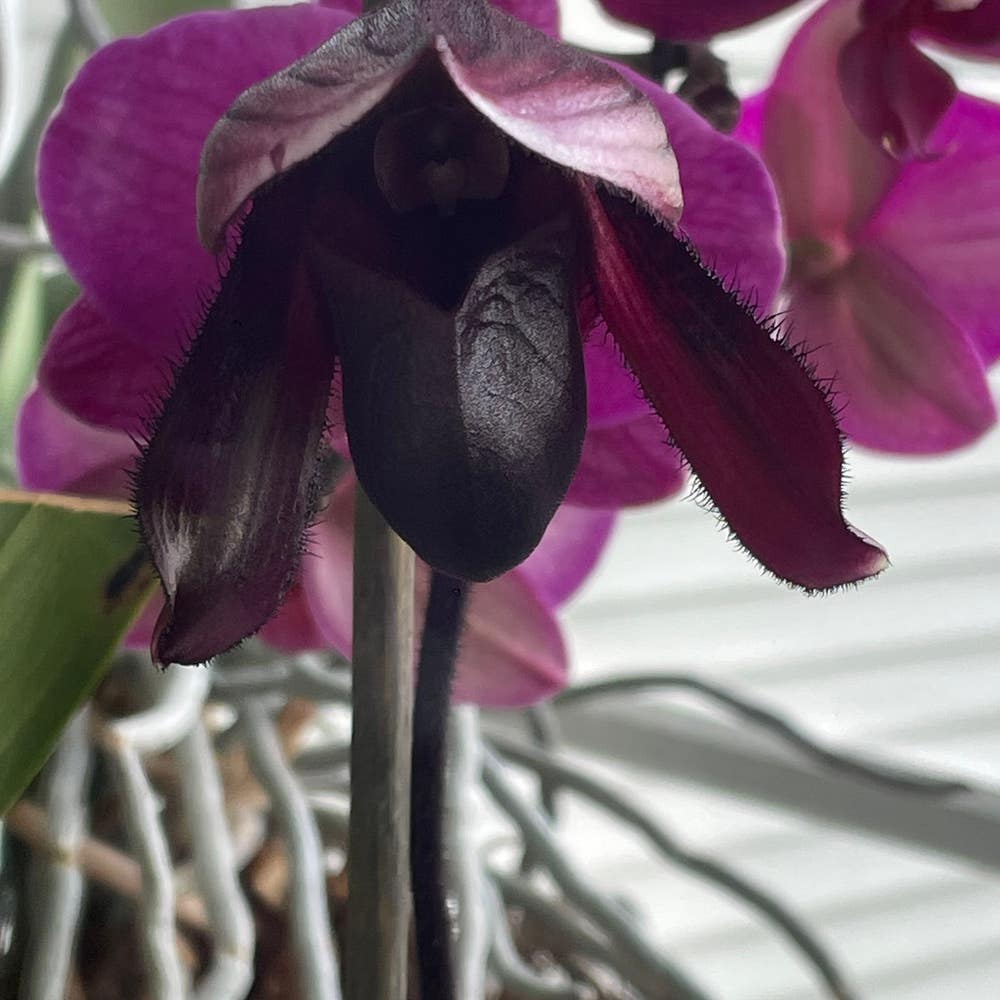
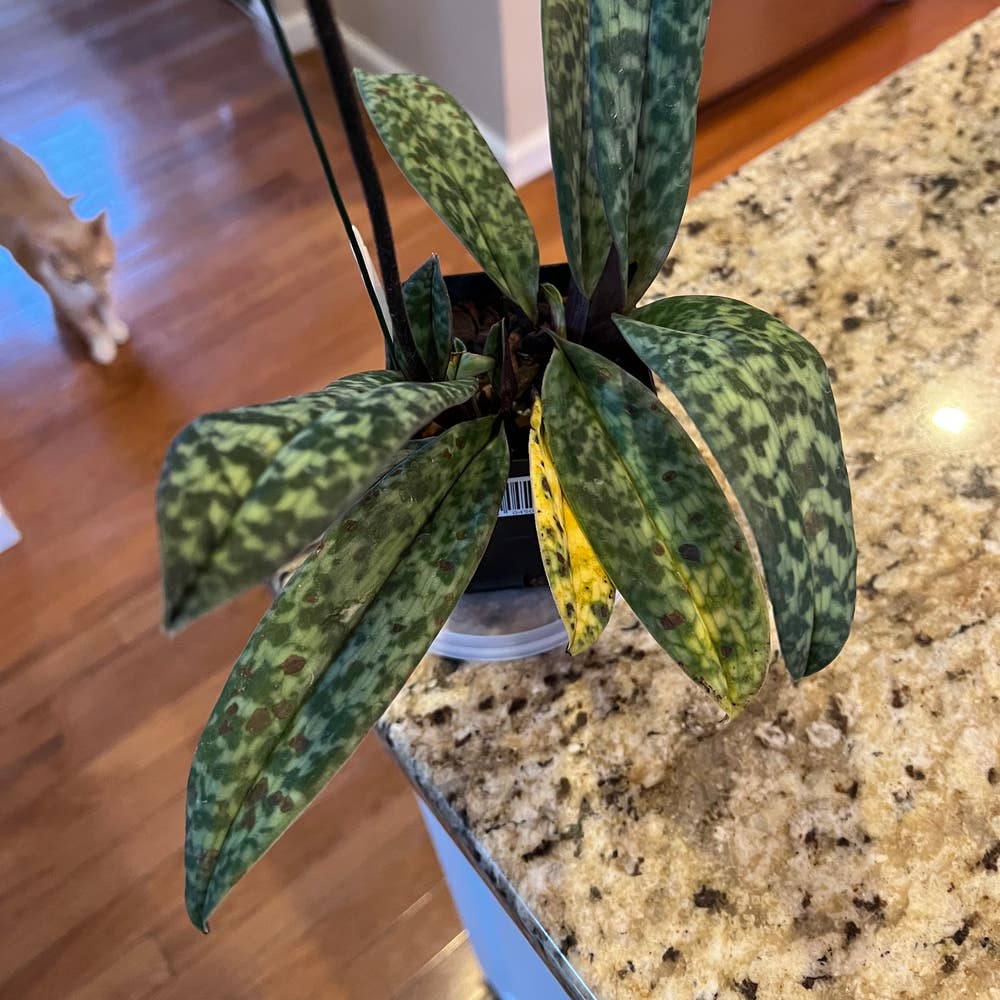
🌸 Spicer's Paphiopedilum Buds Won't Open
Paphiopedilum spicerianum
By the Greg Editorial Team
Oct 02, 2024•6 min read
This article was created with the help of AI so we can cover more plants for you. May contain errors. See one? Report it here.
- 💡 Adequate light and temperature are crucial for Spicer's Paphiopedilum to bloom.
- 🌱 Regular fertilization and nutrient balance support healthy flower development.
- 🌬️ Stable environment prevents premature flower drop; avoid sudden changes.
Failure to Bloom
🌞 Causes of Failure to Bloom
Light Requirements
Light plays a crucial role in the blooming process of Spicer's Paphiopedilum. Insufficient light exposure can significantly hinder blooming, while excessive light can stress the plant, leading to poor flower development.
Temperature Effects
Temperature is another vital factor affecting bloom cycles. Ideally, maintain temperatures between 20°C to 25°C (68°F to 77°F) during the day, allowing for cooler conditions at night to encourage blooming.
Nutrient Deficiencies
Nutrient availability is essential for flower development. A lack of key nutrients, particularly nitrogen, phosphorus, and potassium, can prevent your orchid from blooming.
🌱 Solutions for Failure to Bloom
Adjusting Light Exposure
To promote blooming, provide bright, indirect light for 12-14 hours daily. Using sheer curtains can help diffuse harsh sunlight, creating a more suitable environment for your plant.
Temperature Control
Maintaining optimal temperature ranges is crucial. Avoid sudden fluctuations by using heating mats or fans to stabilize conditions, ensuring your orchid thrives.
Fertilization
Regular fertilization can make a significant difference. Apply a balanced orchid fertilizer every 2-4 weeks during the growing season, and consider a fertilizer higher in phosphorus to boost blooming potential.
By addressing these factors, you can help your Spicer's Paphiopedilum flourish and produce beautiful blooms. Next, let's explore the issue of premature flower drop and how to tackle it effectively.
Premature Flower Drop
🌪️ Causes of Premature Flower Drop
Environmental Stress
Sudden changes in humidity or temperature can shock your Paphiopedilum, leading to bud drop. Keeping a stable environment is crucial for maintaining healthy blooms.
Overwatering
Excess moisture can wreak havoc on your plant's roots, causing rot and affecting flower retention. It's essential to find that sweet spot in your watering routine.
Pest Infestation
Pests like aphids and mealybugs can sap your plant's strength, resulting in flower drop. Regular inspections can help catch these nuisances early.
🛠️ Solutions for Premature Flower Drop
Proper Watering Techniques
Water your Paphiopedilum only when the top inch of soil feels dry. Ensure good drainage to prevent water from pooling, which can lead to root issues.
Pest Management
Keep an eye out for pests and treat any infestations promptly with insecticidal soap or neem oil. Introducing beneficial insects, like ladybugs, can also provide natural pest control.
💧 Humidity Control
Aim to maintain humidity levels between 50-70% for optimal growth. Using a humidifier or pebble trays can help, but avoid placing your plant near drafts or heat sources that can disrupt humidity levels.
By addressing these factors, you can significantly reduce the chances of premature flower drop and enjoy a more vibrant bloom. Next, let’s explore how to tackle abnormal flower development.
Abnormal Flower Development
🎭 Causes of Abnormal Flower Development
Genetic Factors
Some orchid varieties are just quirky by nature. They may display irregular flowering patterns that are perfectly normal for them.
Nutrient Imbalances
Nutrient levels can make or break your blooms. An excess or deficiency of specific nutrients often leads to malformed flowers.
Light Conditions
Inconsistent light exposure can throw off your plant's flowering game. If your orchid isn’t getting the right amount of light, you might see odd shapes and sizes in its blooms.
🛠️ Solutions for Abnormal Flower Development
Ensuring Balanced Fertilization
A balanced orchid fertilizer is your best friend. Look for one that includes micronutrients, and keep an eye on how your plant responds to adjust nutrient levels accordingly.
Optimal Light Conditions
Consistency is key when it comes to light. Avoid moving your plant around too much; it thrives on stability. If natural light is lacking, consider using grow lights to keep your orchid happy and blooming beautifully.
By addressing these factors, you can help your orchid develop stunning flowers that truly shine. Next, let’s explore how environmental factors like humidity and temperature play a crucial role in your plant's health and blooming potential.
Environmental Factors
🌞 Light Requirements
Importance of Light for Blooming
Light plays a crucial role in the blooming process of Spicer's Paphiopedilum. Adequate light is essential for photosynthesis, which fuels flower development.
Signs of Inadequate or Excessive Light
Watch for yellowing leaves; this often indicates too much light. Conversely, dark green leaves suggest your plant isn't getting enough light.
🍽️ Nutritional Needs
Key Nutrients for Flowering
To thrive, your orchid needs a balanced diet. Nitrogen supports leaf growth, phosphorus promotes blooming, and potassium ensures overall health.
Signs of Nutrient Deficiencies
Keep an eye out for stunted growth and yellowing leaves, as these can signal nutrient deficiencies. Poor flower quality is another red flag that your plant may need a nutrient boost.
💧 Humidity and Temperature
Ideal Humidity Levels
Maintaining humidity between 50-70% is vital for optimal growth. This range helps your orchid thrive and encourages blooming.
Temperature Ranges for Optimal Flowering
Aim for daytime temperatures of 20°C to 25°C (68°F to 77°F) and nighttime temperatures of 15°C to 18°C (59°F to 64°F). Consistent temperatures help create the perfect environment for your orchid to flourish.
Understanding these environmental factors is key to nurturing your Spicer's Paphiopedilum. With the right light, nutrients, humidity, and temperature, you'll set the stage for stunning blooms. Next, let’s explore pruning and maintenance techniques to further enhance your orchid's growth.
Pruning and Maintenance
Pruning Techniques ✂️
Pruning is essential for encouraging better flowering in Spicer's Paphiopedilum. Start by removing spent blooms and dead leaves; this not only tidies up the plant but also promotes new growth.
Always use sterilized tools when pruning. This simple step helps prevent disease transmission, ensuring your plant remains healthy and vibrant.
Impact of Pruning on Bloom Cycle 🌸
Proper pruning can significantly stimulate new growth, leading to more abundant blooms. By cutting back old or unhealthy parts of the plant, you create space for fresh, vigorous growth.
This rejuvenation can enhance the overall bloom cycle, making your Paphiopedilum more likely to flourish.
Seasonal Considerations 🌦️
Understanding seasonal changes is crucial for optimal flowering. Each season affects your plant's natural bloom cycle, so adjust your care accordingly.
During the growing season, increase humidity and light exposure. Conversely, reduce watering during dormancy to prevent overwatering and root rot.
By aligning your care with the plant's natural rhythms, you can maximize its blooming potential.
With these pruning and maintenance tips, your Spicer's Paphiopedilum will be well on its way to producing stunning flowers. Now, let’s explore how environmental factors play a role in your plant’s health and blooming success.
⚠️ Safety First
This content is for general information and may contain errors, omissions, or outdated details. It is not medical, veterinary advice, or an endorsement of therapeutic claims.
Always consult a qualified healthcare professional before using any plant as food, medicine, or supplement.
Never eat any plant (or feed one to pets) without confirming its identity with at least two trusted sources.
If you suspect poisoning, call Poison Control (800) 222-1222, the Pet Poison Helpline (800) 213-6680, or your local emergency service immediately.
Spotted an error? Please report it here.
Unlock your Spicer's Paphiopedilum's blooming potential 🌸 by using Greg's tailored care reminders to ensure optimal light and nutrients for vibrant flowers!