💧 How Much Humidity Does My Paphiopedilum spicerianum Need?
Paphiopedilum spicerianum
By the Greg Editorial Team
Apr 06, 2024•5 min read
This article was created with the help of AI so we can cover more plants for you. May contain errors. See one? Report it here.
- 40-50% RH is ideal for Paphiopedilum spicerianum orchids.
- Monitor with a hygrometer, adjust care to local humidity.
- Increase or decrease humidity with humidifiers, dehumidifiers, or DIY hacks.
Nailing the Humidity Sweet Spot for Paphiopedilum spicerianum
🌧️ What's the Deal with Absolute and Relative Humidity?
Humidity isn't just a weather report staple; it's a lifeline for your Paphiopedilum spicerianum. Absolute humidity is the total water vapor hanging out in the air, but it's the relative humidity (RH) that gets your orchid's leaves shaking. RH is the air's moisture measured as a percentage of what it could max out at, given the temperature. It's like the air's moisture meter, and your orchid is constantly reading it.
The Ideal Humidity Range for Your Orchid
Your Paphiopedilum spicerianum doesn't just prefer humidity; it demands it. The sweet spot? 40% to 50% RH. It's not just a nice-to-have; it's the orchid's happy place. Let the humidity drop, and your orchid starts to stress; crank it up too high, and you're flirting with fungal disasters. Consistency is your best friend here, keeping your orchid from throwing a temper tantrum.
Local Humidity and Your Paphiopedilum spicerianum
🌡️ Understanding Your Environment
To get a grip on your home's humidity, grab a hygrometer. This gadget is like a backstage pass, giving you VIP access to the unseen moisture levels in your living space. Place it in a spot away from the deceptive warmth of sunlight or the misleading gusts of drafts for the truest read.
Track the numbers throughout the day because your Paphiopedilum spicerianum doesn't appreciate surprises. It's all about consistency. If you notice the humidity levels in your home fluctuate more than your mood before the first coffee of the day, it's time to take action.
🌦️ Adjusting Your Care Routine to Your Local Humidity Conditions
Your local weather isn't just small talk; it's a big deal for your orchid. If you're living in a place that's drier than a stand-up comedian's wit, you'll need to up your humidity game. Conversely, if your home feels like a sauna, you might want to dial it back.
Adapt your care routine to the rhythm of your local climate. If the humidity swings more than a pendulum, consider using a humidifier or dehumidifier to keep things steady. Remember, your Paphiopedilum spicerianum's happiness hinges on the stability of its environment, not on the whims of Mother Nature.
Boosting Humidity for Happy Paphiopedilum spicerianum Blooms
💦 Easy Ways to Increase Humidity
Humidity is the lifeblood of Paphiopedilum spicerianum, and getting it right can mean the difference between a thriving plant and a wilting one. Here's how to dial up the moisture.
🌬 Using Humidifiers: A Step-by-Step Guide
- Choose a humidifier that fits the size of your space. Too small and it won't make a dent; too large and you might as well live in a cloud.
- Place the humidifier close to your orchids, but not so close that they're in a perpetual mist.
- Monitor the humidity with a hygrometer to ensure you're hitting that 40-50% sweet spot.
🌊 The Pebble Tray Method
- Grab a tray and fill it with pebbles. Think of it as a bed for your orchid's pot.
- Pour water into the tray until it's just below the top of the pebbles. Avoid submerging the pot; we're not swimming here.
- Set your orchid on top. As the water evaporates, it'll give your plant a subtle humidity hug.
🌿 The Buddy System: Grouping Plants
- Cluster your orchids and other humidity-loving plants together. They'll share moisture like good neighbors and up the humidity game for everyone.
🛠 DIY Humidity Hacks
Sometimes the best solutions are the ones you rig up yourself. Here's how to increase humidity without spending a fortune.
🌱 Sphagnum Moss Dressing
- Dress the soil around your orchid with sphagnum moss. It's like a moisture-retentive sweater, slowly releasing water vapor into the air.
🌍 Sealed Environment
- Create a mini greenhouse by covering your orchid with a clear plastic bag. It's like a DIY terrarium, trapping in moisture and warmth. Just make sure to let it breathe occasionally to prevent mold.
💧 Watering Wisely
- Water your orchids in the morning. It gives them a whole day to drink up and transpire, adding to the ambient humidity.
Remember, it's about finding what works for your space and your plants. Keep an eye on them; they'll tell you if you're on the right track.
When There's Too Much of a Good Thing: Reducing Humidity
🌧 Signs Your Orchid is Drowning in Humidity
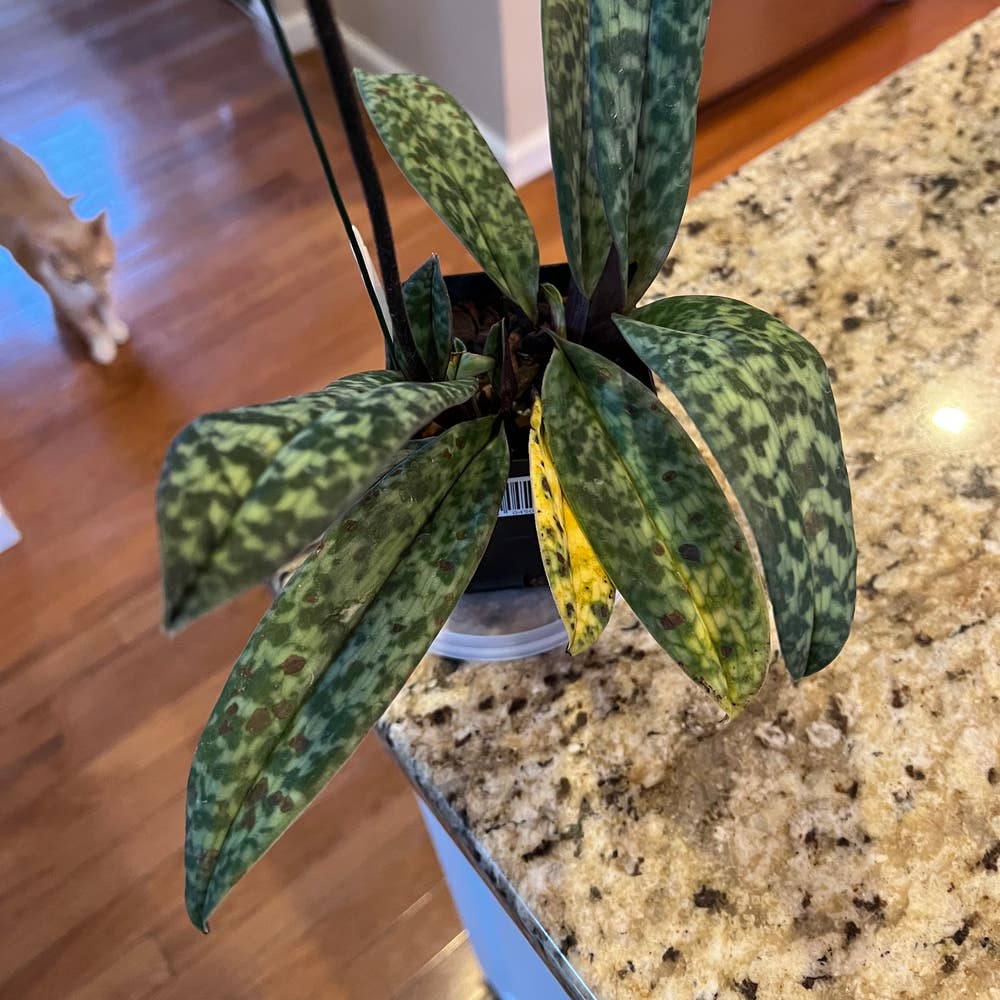
Yellowing leaves and a wilted demeanor are your orchid's SOS. Fungal issues love a humidity party, and black spots on leaves are the uninvited guests. If your orchid's leaves feel like a damp handshake, it's time to tone down the moisture.
🌬 Bringing Humidity Levels Down
Airflow is Key
A fan or an open window can be a breath of fresh air, literally. Circulation prevents your orchid from stewing in its own humidity.
💨 Dehumidifiers: Your Moisture Managers
Deploy a dehumidifier if your space feels like a tropical rainforest. It's like giving your orchid a humidity haircut—trimming down to just the right level.
💧 Watering: Less is Often More
Ease up on the watering can if the air's already doing the job. Roots will appreciate not having to swim to survive.
🌱 Potting and Repotting
Consider a pot switcheroo if your current setup retains moisture like a sponge. Orchid roots prefer a spa, not a sauna.
Remember, your orchid doesn't need a swamp. It craves that humidity sweet spot where it can breathe without growing gills.
⚠️ Safety First
This content is for general information and may contain errors, omissions, or outdated details. It is not medical, veterinary advice, or an endorsement of therapeutic claims.
Always consult a qualified healthcare professional before using any plant as food, medicine, or supplement.
Never eat any plant (or feed one to pets) without confirming its identity with at least two trusted sources.
If you suspect poisoning, call Poison Control (800) 222-1222, the Pet Poison Helpline (800) 213-6680, or your local emergency service immediately.
Spotted an error? Please report it here.
Maintain the ideal humidity 💧 for your Paphiopedilum spicerianum with Greg's environmental insights, ensuring your orchid thrives without the guesswork.