🌸 How Long Your Spicer's Paphiopedilum Will Live
Paphiopedilum spicerianum
By the Greg Editorial Team
Oct 02, 2024•6 min read
This article was created with the help of AI so we can cover more plants for you. May contain errors. See one? Report it here.
- 🌱 Spicer's Paphiopedilum takes 3-5 years from seed to full maturity.
- 🌡️ Germination thrives at 20-25°C with 60-80% humidity for best results.
- 🌼 Flowers appear 2-4 years post-germination, lasting 2-3 months.
Germination Stage
Duration of Germination 🌱
Germination for Spicer's Paphiopedilum typically takes 6 to 12 weeks. This period can vary based on several factors, including temperature, humidity, and light conditions.
Conditions for Successful Germination 🌡️
To ensure successful germination, maintain an ideal temperature range of 20°C to 25°C (68°F to 77°F).
- Humidity: Aim for 60-80% relative humidity to create a conducive environment.
- Light Exposure: Provide indirect light; direct sunlight can be harmful.
- Growing Medium: Use a sterile, well-draining orchid mix or agar medium to support healthy growth.
By carefully managing these conditions, you can set the stage for a thriving Paphiopedilum. As your seeds germinate, you'll witness the exciting beginnings of a beautiful orchid journey.
Next, let's explore the seedling stage and what to expect as your plant continues to develop.
Seedling Stage
Length of Seedling Development 🌱
The seedling stage of Spicer's Paphiopedilum lasts between 6 months to 1 year. During this time, growth is influenced by nutrient availability and the stability of environmental conditions.
Key Characteristics of Seedlings 🌿
Seedlings typically reach a height of 2-4 inches. Their initial leaves are small and narrow, gradually broadening as they mature.
Root Development 🌍
As seedlings grow, they develop fine, fibrous roots. These roots are crucial for moisture retention, ensuring the plant remains hydrated and healthy.
Importance of Care 🛠️
Providing the right care during this stage is essential for successful growth. Regular monitoring of nutrient levels and environmental stability can significantly impact the seedlings' development.
This stage sets the foundation for the plant's future growth and health. Understanding these characteristics will help you nurture your Spicer's Paphiopedilum effectively as it transitions into the vegetative growth stage.
Vegetative Growth Stage
🕒 Duration of Vegetative Growth
The vegetative growth stage of Spicer's Paphiopedilum typically lasts between 1 to 3 years. This timeframe can vary significantly based on environmental conditions, such as light levels, humidity, and nutrient supply.
🌱 Changes in Plant Structure and Health
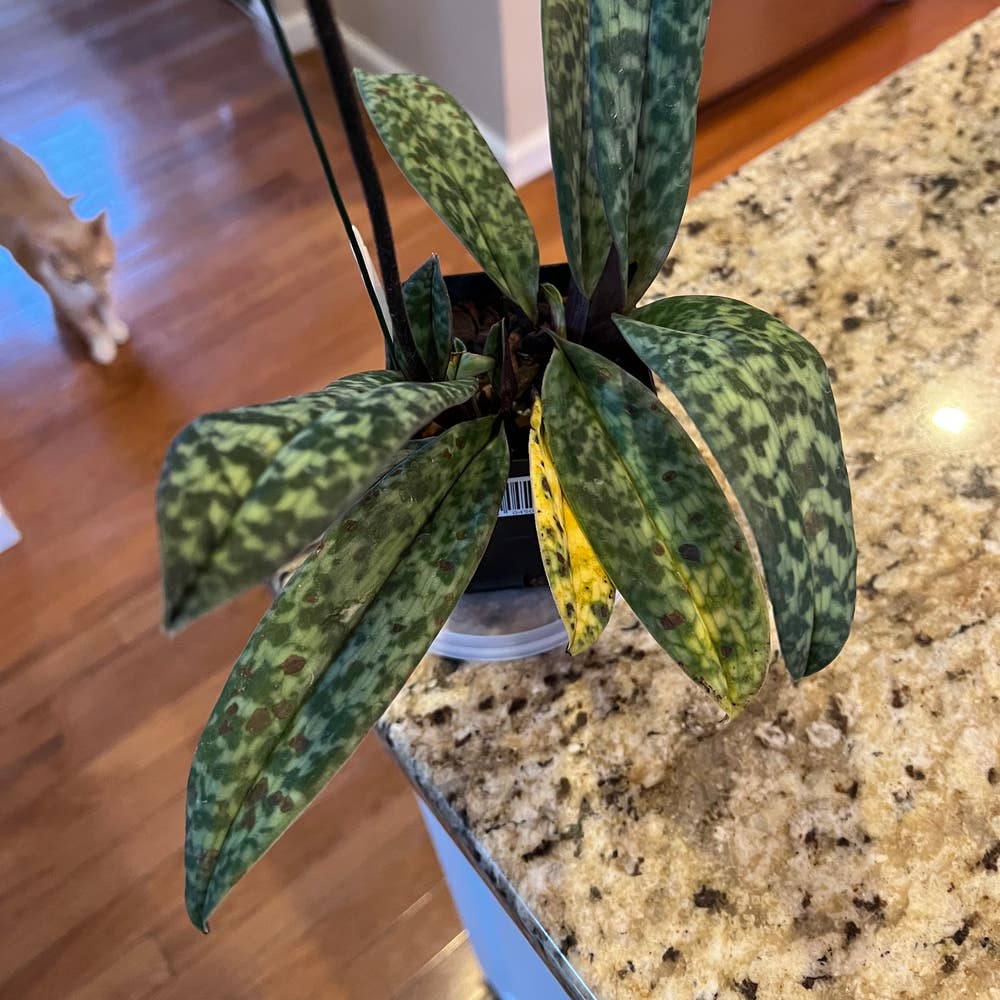
During this stage, you'll notice remarkable changes in the plant's structure. Leaves grow larger and more robust, showcasing the plant's health and vitality.
The root system also expands significantly, which is crucial for the plant's overall well-being. Regular repotting becomes essential to accommodate this growth and maintain optimal health.
As the plant matures, its resilience to pests and diseases increases. This robustness is a rewarding aspect of nurturing your Paphiopedilum, reflecting the care and attention you've provided.
Understanding these changes not only enhances your gardening skills but also deepens your appreciation for this unique orchid. With patience and proper care, your Spicer's Paphiopedilum will thrive, setting the stage for the next exciting phase: flowering.
Flowering Stage
Timeframe for Flowering 🌼
Spicer's Paphiopedilum typically flowers 2 to 4 years after germination. The age of the plant, environmental conditions, and care practices all play crucial roles in determining when those stunning blooms will appear.
Description of Flowering Process 🌸
Once flowering begins, it lasts for about 2 to 3 months, with individual blooms gracing your space for several weeks.
Characteristics of Flowers
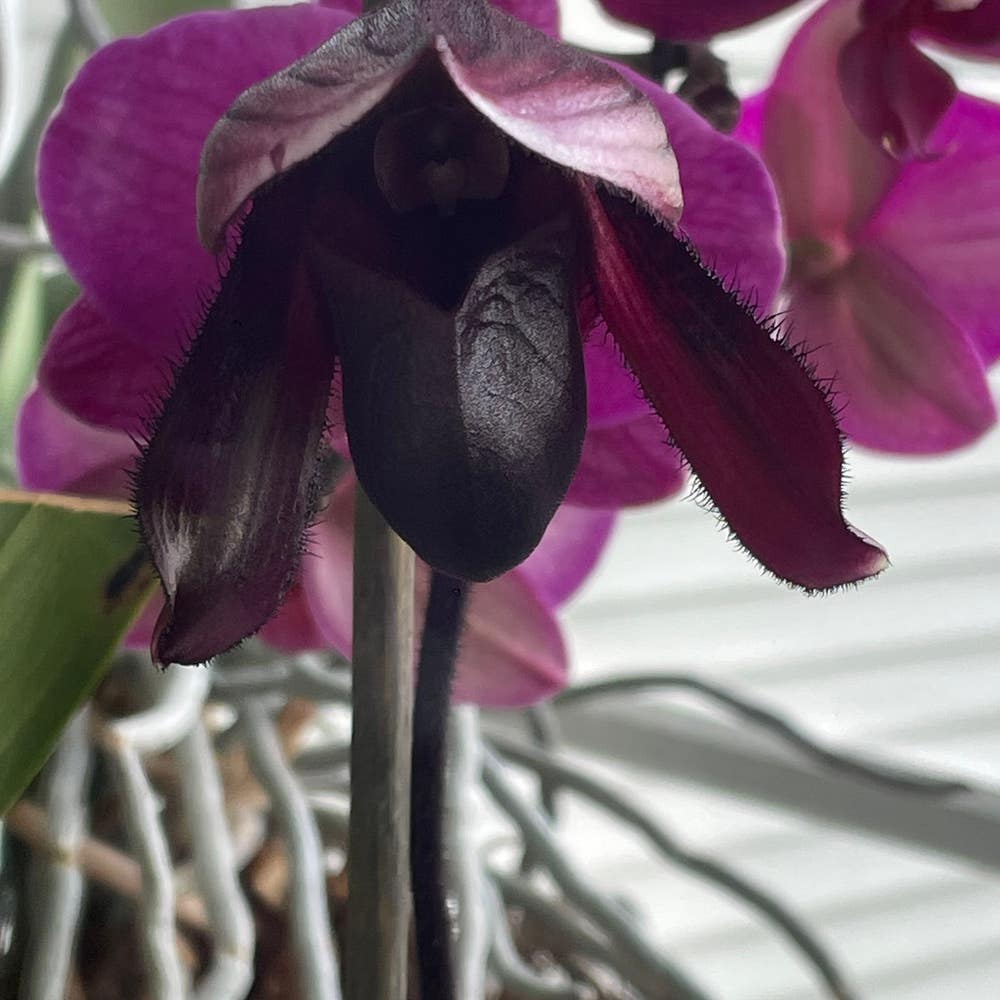
These orchids are known for their distinctive pouch-like structures and vibrant color variations, making them a standout in any collection.
Pollination
Pollination can occur through self-pollination or cross-pollination, adding an exciting layer to the flowering process.
As you nurture your Spicer's Paphiopedilum, remember that patience is key. The beauty of the flowering stage is just one part of the plant's remarkable life cycle, leading us to explore the next phase: seed production.
Seed Production Stage
Duration and Conditions for Seed Production 🌱
The seed production stage for Spicer's Paphiopedilum typically takes 6-9 months for seed capsules to mature. This timeframe can vary based on environmental factors.
To ensure successful seed development, maintain warm temperatures and high humidity. These conditions create an optimal environment for the seeds to thrive.
Ideal Conditions for Seed Development 🌡️
- Temperature: Aim for a consistent warmth, ideally between 20°C to 25°C (68°F to 77°F).
- Humidity: Keep relative humidity levels between 60-80% to support healthy growth.
By providing these ideal conditions, you can enhance the chances of successful seed production.
Importance of Patience ⏳
Remember, patience is key in this stage. The slow maturation process can be a test of your dedication, but the reward of vibrant blooms is worth the wait.
As you nurture your Paphiopedilum through this phase, you'll be laying the groundwork for its future growth and flowering. Next, we’ll explore how to gauge the growth rate and maturation time of your orchid.
Growth Rate and Maturation Time
🌱 How Fast Does Spicer's Paphiopedilum Grow?
Spicer's Paphiopedilum is known for its slow growth, measuring about 1-2 inches per year during the vegetative stage. This leisurely pace is influenced by several factors, including light levels, humidity, and nutrient availability.
⏳ Time Until Fully Grown
From seed or cutting, expect a timeframe of 3-5 years for your Paphiopedilum to reach full maturity. This slow growth demands patience, but the reward is a resilient and stunning orchid that thrives with proper care.
As you nurture your Paphiopedilum, remember that each stage of growth is a journey. Understanding its growth rate and maturation time sets the foundation for successful cultivation, leading seamlessly into the notable changes throughout its life cycle.
Notable Changes Throughout Life Cycle
🌱 Physical Changes During Each Growth Stage
During the germination stage, the first roots and leaves emerge, marking the beginning of life for Spicer's Paphiopedilum. This initial growth is crucial as it sets the foundation for future development.
As the plant transitions to the seedling stage, it develops a more complex root system and leaf structure. You'll notice the seedlings becoming more defined, showcasing their potential for growth.
In the vegetative stage, the leaves increase in size and thickness, contributing to the overall robustness of the plant. This is a vital period where the plant gathers strength for future flowering.
Finally, during the flowering stage, blooms appear, signaling a shift in the plant's energy allocation. The vibrant flowers not only enhance the plant's beauty but also indicate its maturity.
🌍 Behavioral Changes in Response to Environmental Factors
Spicer's Paphiopedilum is quite responsive to its environment. When it comes to light, the plant adjusts its leaf orientation and growth direction to optimize photosynthesis. This adaptability is essential for its survival.
Humidity plays a significant role as well. Changes in humidity can affect leaf turgor and overall health, making it crucial to maintain optimal conditions.
Temperature fluctuations can lead to dormancy or slowed growth. The plant's ability to respond to these extremes showcases its resilience and adaptability in varying conditions.
Understanding these changes can enhance your cultivation experience, allowing you to provide the best care for your Spicer's Paphiopedilum. As you nurture it through each stage, you'll witness its remarkable journey from seed to bloom.
⚠️ Safety First
This content is for general information and may contain errors, omissions, or outdated details. It is not medical, veterinary advice, or an endorsement of therapeutic claims.
Always consult a qualified healthcare professional before using any plant as food, medicine, or supplement.
Never eat any plant (or feed one to pets) without confirming its identity with at least two trusted sources.
If you suspect poisoning, call Poison Control (800) 222-1222, the Pet Poison Helpline (800) 213-6680, or your local emergency service immediately.
Spotted an error? Please report it here.
Transform your Spicer's Paphiopedilum journey into a blooming success 🌸 with Greg's tailored care tips and reminders that guide you from seedling to stunning flower!