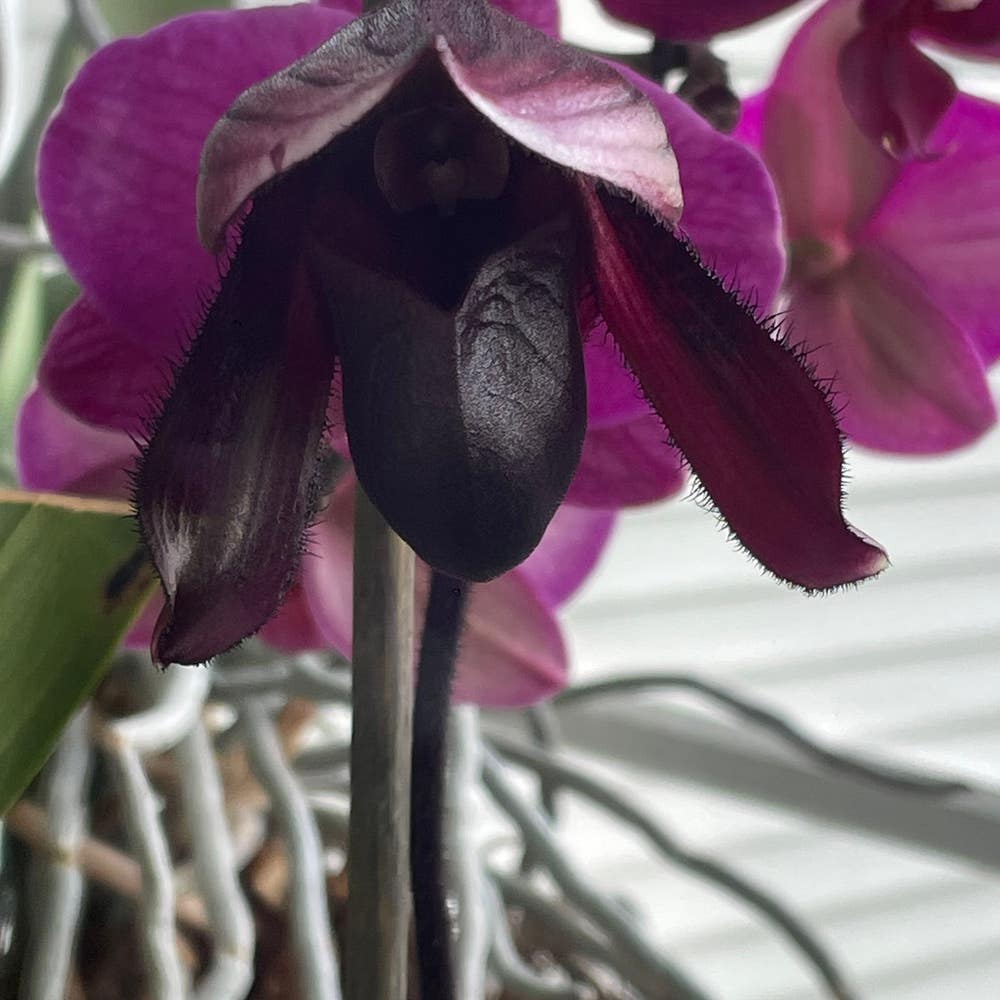
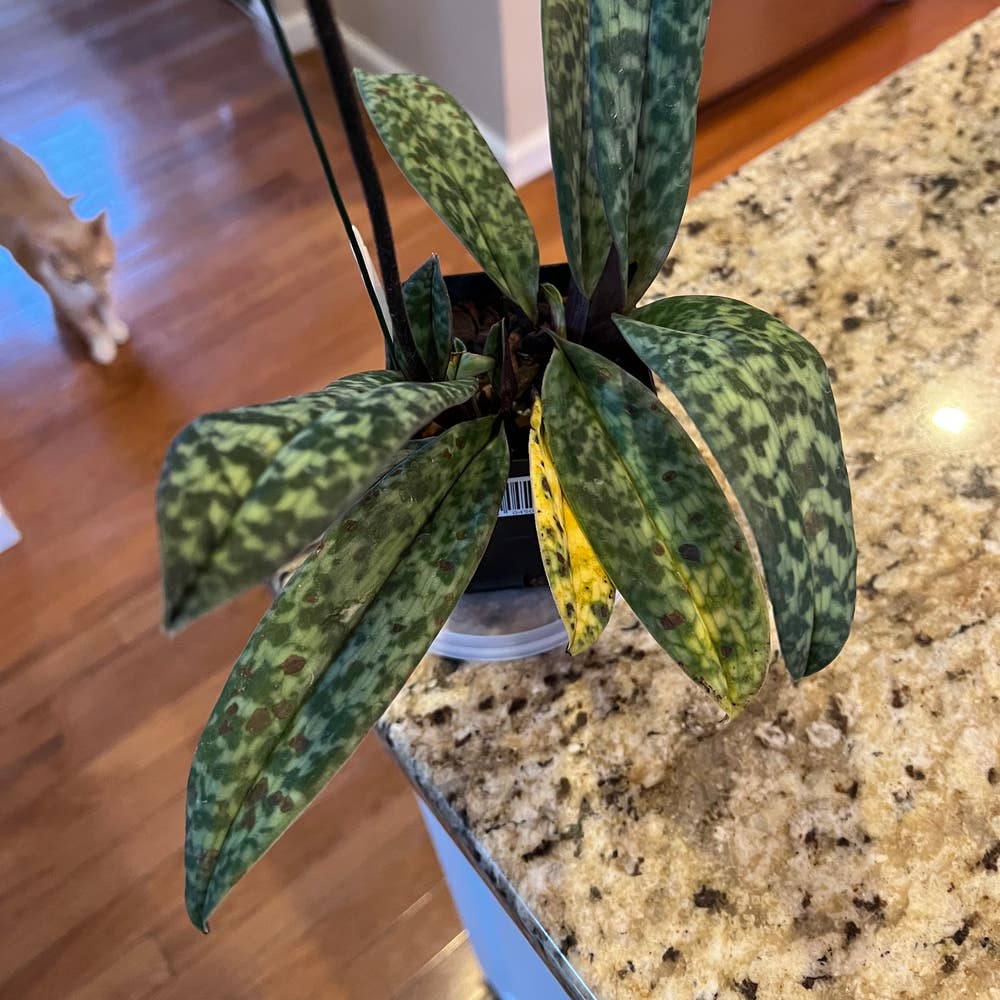
🌞 Is Direct Sunlight Good for My Paphiopedilum spicerianum?
Paphiopedilum spicerianum
By the Greg Editorial Team
Apr 06, 2024•4 min read
This article was created with the help of AI so we can cover more plants for you. May contain errors. See one? Report it here.
- 🌞 Direct sunlight is harmful to Paphiopedilum spicerianum; it prefers indirect light.
- East-facing windows are ideal for gentle morning light without harsh midday rays.
- Adjust position with seasons for optimal light during growth and blooming phases.
Sunlight and Paphiopedilum spicerianum: A Delicate Dance
🌞 What does direct sunlight mean for your orchid?
Direct sunlight is the unfiltered, full-strength solar energy that reaches a plant, often characterized by sharp shadows. Indirect sunlight, on the other hand, is like the plant world's shade—it's sunlight that has been diffused or softened, usually by bouncing off surfaces or filtering through a medium.
💡 The natural habitat clue: Understanding the orchid's light preferences
Paphiopedilum spicerianum, a jewel among orchids, thrives in bright but indirect light. Its natural habitat whispers secrets about its care; it's accustomed to the dappled sunlight of forest floors, not the harsh glare of open skies. In your home, mimic this with a spot that bathes the orchid in gentle light, like an east-facing window in New York City, or a filtered west-facing one if you're playing it cool with the afternoon sun. Keep it shielded from the intense light to avoid the dreaded leaf scorch.
Can Paphiopedilum spicerianum Soak Up the Sun?
🌞 The verdict on direct sunlight exposure
Direct sunlight is a no-go for Paphiopedilum spicerianum. This orchid thrives in bright, indirect light, much like the dappled conditions of its natural habitat. Direct rays, especially during the harsh midday hours, can be detrimental.
🌞 The consequences of too much sun
Sunburn in Paphiopedilum spicerianum isn't pretty. Crispy edges and a bleached appearance are distress signals. If you spot these, it's time to relocate your orchid to a shadier spot pronto. To prevent future solar mishaps, consider a protective sheer curtain or a spot that receives gentle morning or late afternoon light.
Positioning Your Paphiopedilum for Success
🌅 Window Wisdom: Where to Place Your Orchid
Finding the ideal spot for your Paphiopedilum spicerianum is more art than science. East-facing windows are your best bet, offering gentle morning light without the harsh midday rays.
South-facing windows? They're the sun's bullhorn, blasting intense light that can overwhelm your orchid. A sheer curtain can act as a mediator, softening the light to a tolerable level.
West-facing windows come with a caveat: the afternoon sun can be a bit of an overachiever. Position your orchid where it can enjoy the light without feeling like it's in a tanning booth.
🌐 Hemisphere Highlights: Adjusting Care by Location
Your geographical location flips the playbook on orchid care. In the Northern Hemisphere, south-facing windows are a hotspot for light, but you'll need to shield your orchid from the midday sun's zeal.
Conversely, in the Southern Hemisphere, it's the north-facing windows that are the main stage for sunlight. Here, too, moderation is key to prevent your Paphiopedilum from becoming sun-crisped.
Remember, as seasons change, so should your orchid's position. Summer might call for a step back from the window, while winter could mean cozying up closer to the light.
Keep in mind, it's not just about avoiding the sunburn; it's about crafting the perfect microclimate for your orchid, ensuring it thrives year-round.
Seasonal Shifts and Growth Stages: Adapting Light for Your Orchid
🌞 Seasonal strategies for optimal light exposure
As the seasons change, so should your Paphiopedilum spicerianum's spot in your home. In the winter, when daylight is a rare commodity, position your orchid to catch those precious rays. A south-facing window might be its winter haven. Come summer, however, you'll want to prevent your green friend from getting a sunburn. An east-facing window with a sheer curtain can provide a gentle, diffused light that's just right.
💡 Growth and glow: Tailoring light for your orchid's life stages
During the growth phase, your Paphiopedilum spicerianum is a bit of a light hog. It craves bright, but indirect light to fuel its growth spurt. Think of it as a teenager with an insatiable appetite, only for photons instead of pizza. When it's blooming time, consistent light is key. No need to move it around like a chess piece; stability is the name of the game. After the flowers bid adieu, dial back the light a notch. It's the plant's downtime, a period of rest before the cycle kicks off again.
⚠️ Safety First
This content is for general information and may contain errors, omissions, or outdated details. It is not medical, veterinary advice, or an endorsement of therapeutic claims.
Always consult a qualified healthcare professional before using any plant as food, medicine, or supplement.
Never eat any plant (or feed one to pets) without confirming its identity with at least two trusted sources.
If you suspect poisoning, call Poison Control (800) 222-1222, the Pet Poison Helpline (800) 213-6680, or your local emergency service immediately.
Spotted an error? Please report it here.
Nurture your Paphiopedilum spicerianum to thrive 🌱 with Greg's tailored light monitoring and seasonal care reminders, ensuring just the right glow without the guesswork.