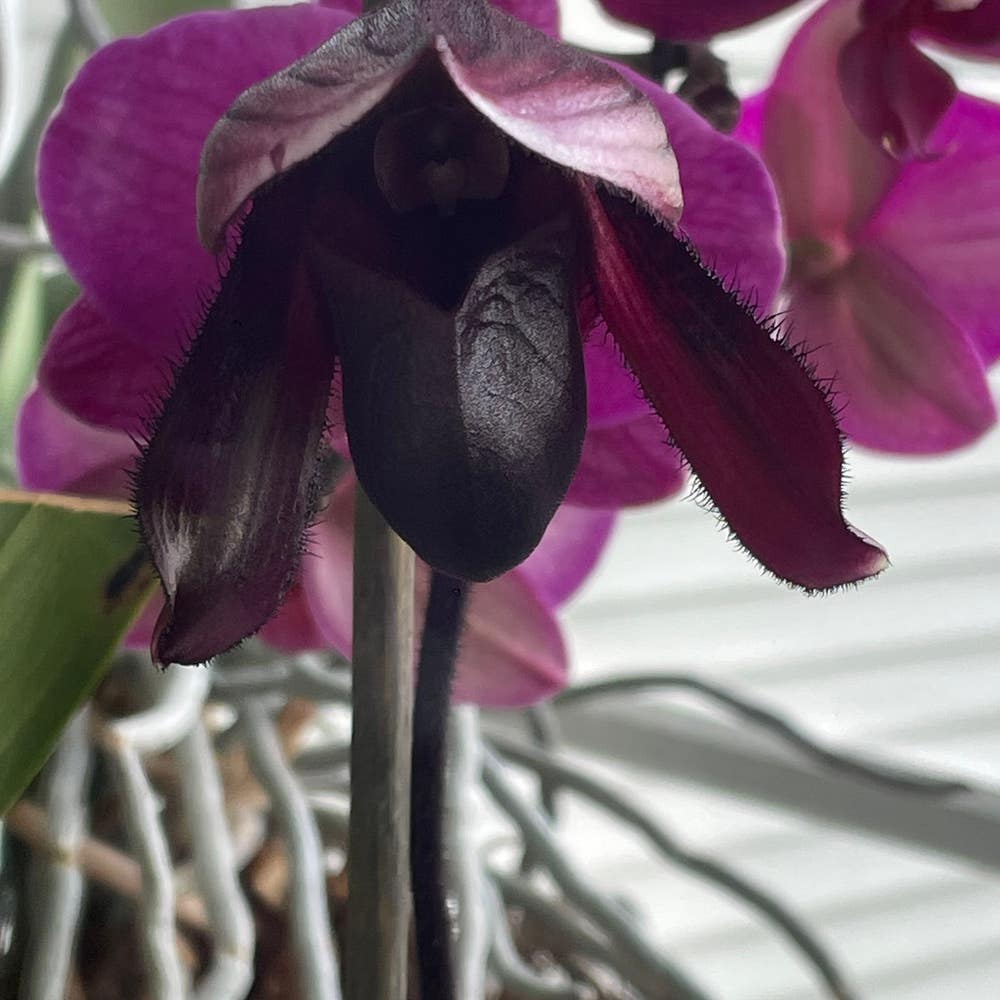
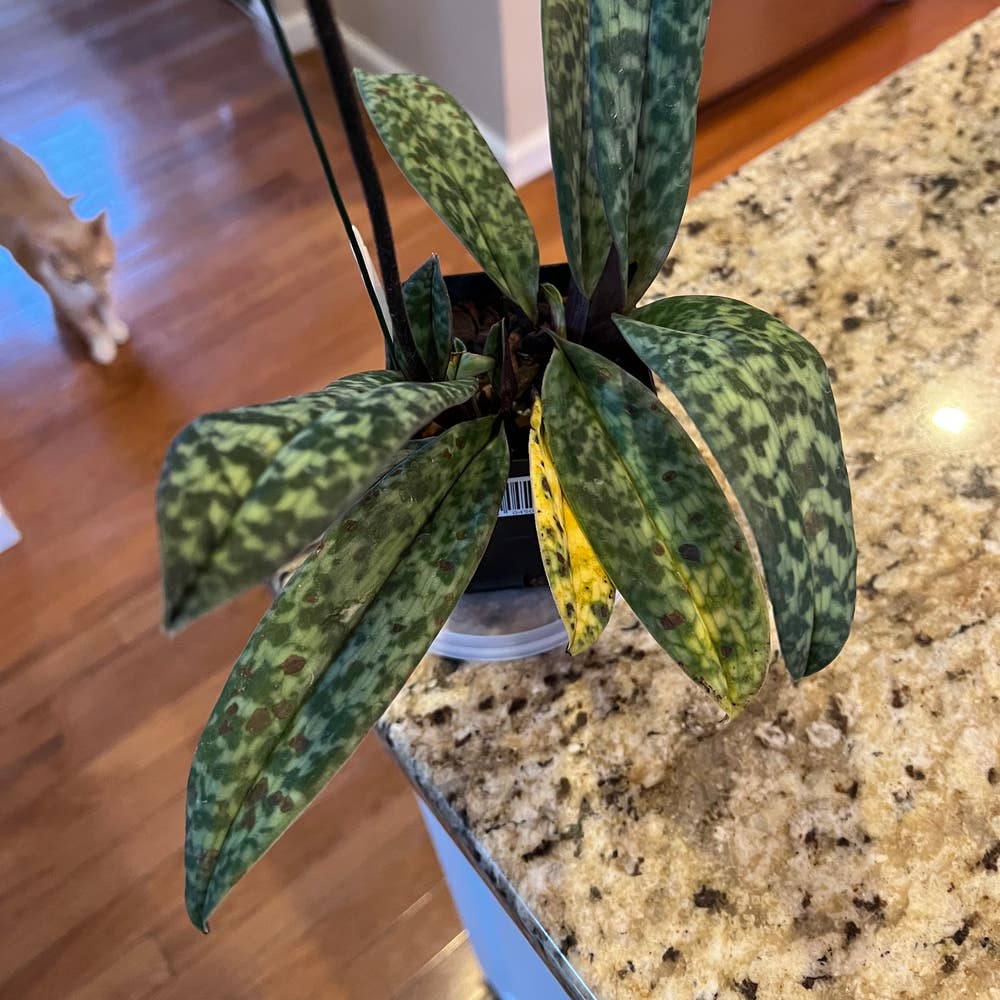
Why Are My Paphiopedilum spicerianum Leaves Dropping?
Paphiopedilum spicerianum
By the Greg Editorial Team
Apr 06, 2024•6 min read
This article was created with the help of AI so we can cover more plants for you. May contain errors. See one? Report it here.
- 🍂 Yellowing leaves may signal overwatering or nutrient needs.
- 💧 Consistent watering and humidity (40-70%) are key to preventing leaf drop.
- 🌡️ Temperature control is crucial: 65-80°F days, cooler nights.
Spotting the Red Flags: Early Signs of Trouble
💛 Yellowing Leaves: What it could mean for your Paphiopedilum spicerianum
Yellow leaves are the plant's version of a caution light. They could signal overwatering, which is notorious for causing root rot. Alternatively, if the roots appear healthy, the yellowing could be a cry for more nutrients. It's essential to assess both the watering schedule and the fertilization regimen.
🟤 Browning Edges: Decoding the distress signals
When the edges of your orchid's leaves start to brown, it's time to sit up and take notice. This symptom often points to dehydration. Your Paphiopedilum spicerianum might be begging for more frequent watering with tepid water, not the cold shock it might be getting. Brown tips can also be a telltale sign of a low humidity environment.
🥀 Wilting and Limpness: When your orchid is crying out for help
Wilting or limp leaves are the plant's equivalent of a white flag. This could be due to inconsistent watering or even heat stress. Make sure your orchid isn't just being dramatic; check for a consistent watering routine and ensure it's not sitting in a hot, sunny spot that could be causing it to wilt.
The Usual Suspects: Pinpointing the Culprits
🌡️ Temperature Tantrums: Finding the Sweet Spot for Your Orchid
Orchids are not fans of climate roller coasters. Consistent temperatures are non-negotiable for Paphiopedilum spicerianum. Aim for daytime warmth between 65-80°F (18-27°C) and cooler nights. Avoid placing your plant near drafts or heating vents to prevent leaf-dropping episodes.
💦 Humidity Havoc: Balancing Moisture in the Air
Humidity levels need to hit that Goldilocks zone—not too dry, not too damp. Too much moisture invites fungal parties; too little, and your orchid's leaves may start a protest. Strike a balance with a humidity level around 40-70%, and consider a pebble tray or humidifier for that spa-like vibe.
🌞 Light Levels: Too Much Sun or Not Enough?
Leaves can get sunburnt or stretch out for more light, just like us trying to get a tan. Your orchid craves bright, indirect sunlight. If it's getting too much, it'll sport brown spots; not enough, and it'll look pale and leggy. Adjust its position to avoid these light-related mood swings.
🚰 Water Woes: Striking the Right Watering Rhythm
Watering is an art form with orchids. Overwatering is a no-go, as is letting your plant go thirsty. Wait for the top inch of soil to dry before watering again. Remember, your orchid's thirst changes with the seasons, so stay observant and adaptable.
🌱 The Root of the Problem: Ensuring a Healthy Foundation
Roots need to breathe, and they can't do that in soggy, stagnant soil. Ensure your pot has proper drainage and isn't a breeding ground for salt buildup. The right-sized pot matters too—too big, and the roots get lost; too small, and they're cramped. Keep an eye out for pests that love to crash the root party.
First Aid for Fallen Leaves: Immediate Actions
🌧️ Adjusting Your Care Routine: Quick Fixes to Common Mistakes
Immediate action is vital when Paphiopedilum spicerianum leaves begin to drop. First, check the watering schedule. If the soil feels wetter than a soaked sponge, it's time to cut back. Let the top inch of soil dry before the next watering. This simple tweak can prevent root rot and give your plant a fighting chance.
🌱 The Rescue Repot: When and How to Give Your Plant a Fresh Start
Repotting can be a game-changer. If the roots are drowning in despair, give them new soil and a new home. Use a well-draining mix and a pot with adequate drainage holes to avoid future waterlogging. Remember, this isn't just a change of scenery; it's a lifeline.
🚑 SOS for Roots: Dealing with Root Rot and Other Below-the-Surface Issues
Root rot is the silent killer of orchids. Unearth the roots gently and inspect them. Snip off any rot you find with sterilized scissors—no mercy for the mushy parts. After the surgery, repot your plant in fresh soil, but keep the watering can at bay until recovery signs show. Monitoring your plant’s recovery is like watching over a sleeping baby—be attentive, but don't poke the bear.
Long-Term Love: Keeping Your Paphiopedilum spicerianum Happy
🌞 Perfecting the Environment
Temperature and light are the VIPs of your Paphiopedilum spicerianum's life. Keep the daytime temperature cozy between 64-77°F (18-25°C) and slightly cooler at night, around 61-68°F (16-20°C). Position your orchid where it can bask in bright, indirect sunlight. Think of a spot that's like a shaded veranda on a sunny day—perfect for a lazy lounge but without the sunburn.
Humidity is another key player. Aim for that tropical vibe with 50-70% humidity. Forget misting—set your pot on a tray of damp pebbles to avoid the fungal funk. And remember, air circulation is your silent ally, keeping things fresh without a gusty uproar.
💧 Watering Wisdom
Hydration shouldn't be a guessing game. Water frequently, allowing the medium to dry well but not completely. It's a delicate dance between parched and waterlogged. If your pot feels like it's been hitting the gym, it's probably too heavy with water. Lighten up on the liquid love.
Pot choice matters. Terracotta is your friend, letting roots breathe and preventing soggy situations. And always, always make sure there are drainage holes. Nobody likes wet feet, especially not your Paphiopedilum spicerianum.
🌱 Feeding Finesse
Nutrition is more than just a sprinkle of this and a dash of that. Feed your orchid every two weeks in spring and summer, then ease off to once every four weeks in fall and winter. It's like a diet plan tailored for growth without the bloat.
After the blooms have bid adieu, snip the spike and keep up the good work. Water, feed, and maybe throw in a pep talk for good measure. With a bit of patience, you'll be rewarded with a new growth ready to strut its stuff.
Remember, repotting is not just for hoarders. Do it yearly, and keep it snug—these orchids don't need mansions, just a cozy space to call home. And if you're feeling brave, divide the large plants, but keep those clumps generous.
In the end, it's about crafting a slice of orchid paradise. Keep the vibe right, and your Paphiopedilum spicerianum will be living its best leafy life.
⚠️ Safety First
This content is for general information and may contain errors, omissions, or outdated details. It is not medical, veterinary advice, or an endorsement of therapeutic claims.
Always consult a qualified healthcare professional before using any plant as food, medicine, or supplement.
Never eat any plant (or feed one to pets) without confirming its identity with at least two trusted sources.
If you suspect poisoning, call Poison Control (800) 222-1222, the Pet Poison Helpline (800) 213-6680, or your local emergency service immediately.
Spotted an error? Please report it here.
Prevent your Paphiopedilum spicerianum leaves from dropping by letting Greg craft a custom care plan 🌿 that adjusts to your orchid's needs and your home's environment.