🌸 Why Spicer's Paphiopedilum Is A Perennial Plant
Paphiopedilum spicerianum
By the Greg Editorial Team
Oct 02, 2024•5 min read
This article was created with the help of AI so we can cover more plants for you. May contain errors. See one? Report it here.
- 🌺 Spicer's Paphiopedilum features stunning slipper-shaped flowers, enhancing any garden's beauty.
- 🌱 This perennial thrives for 10-15 years, simplifying care for gardeners.
- 🌞 Understanding its lifecycle ensures optimal growth and flowering throughout the seasons.
Characteristics of Spicer's Paphiopedilum as a Perennial
🌟 Unique Features
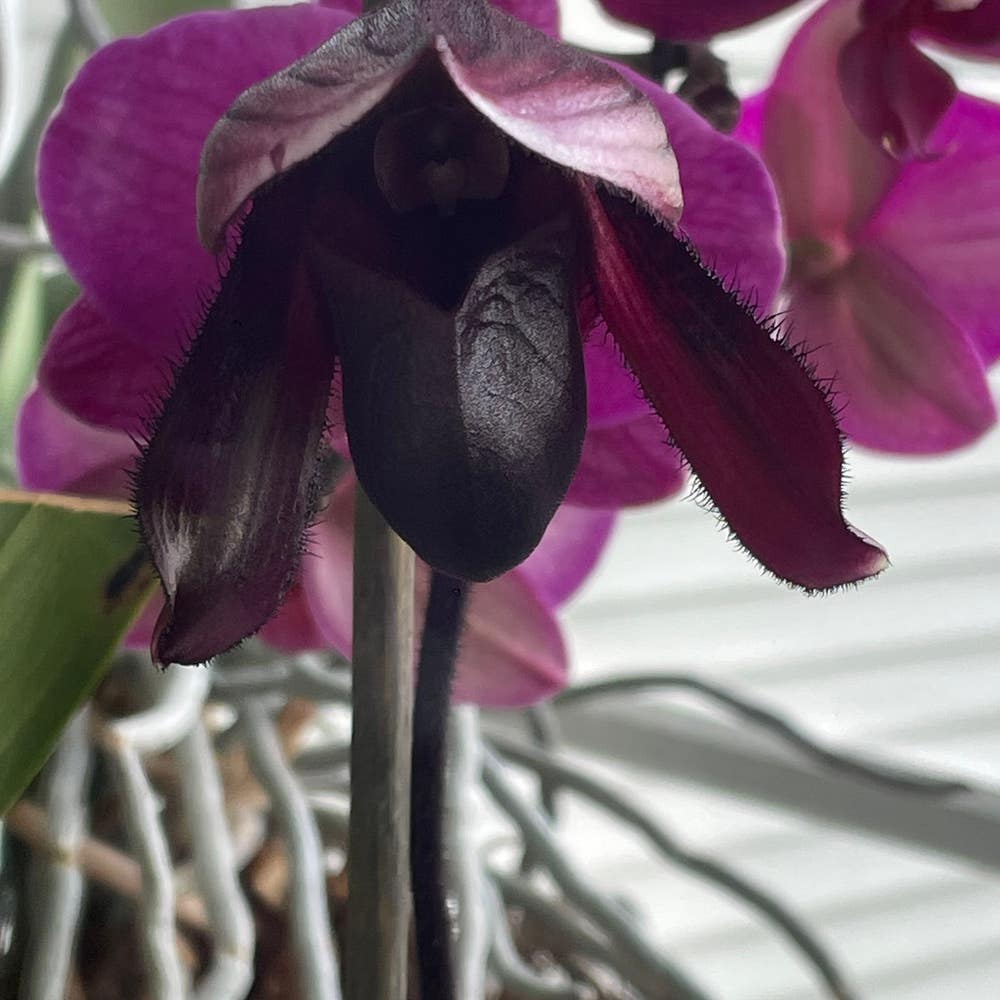
Spicer's Paphiopedilum is renowned for its stunning slipper-shaped flowers, which offer a distinctive and eye-catching appearance. These blooms are not just beautiful; they symbolize the plant's unique identity in the world of perennials.
This plant boasts a multi-year lifecycle, thriving year after year without the need for replanting. Its ability to regrow from the same root system annually means that gardeners can enjoy its beauty season after season, making it a reliable choice for any garden.
🌱 Regrowth from Roots
The remarkable capacity of Spicer's Paphiopedilum to bloom from established roots is a game-changer. This feature not only enhances its longevity but also simplifies care, allowing gardeners to focus on nurturing rather than replanting.
Understanding these unique characteristics helps highlight why Spicer's Paphiopedilum is a favorite among perennial plants. Its resilience and beauty make it an excellent addition to any garden, setting the stage for a deeper exploration of its lifecycle and growth patterns.
Lifecycle and Growth Patterns
Multi-Year Lifecycle 🌱
Spicer's Paphiopedilum showcases a fascinating multi-year lifecycle. It begins with the establishment of roots and foliage, setting the stage for future growth.
As the plant matures, it reaches its full growth potential, becoming robust and ready for the next phase. This leads to the reproductive phase, where flowering and seed production occur, ensuring the plant's continuation.
Growth Patterns 🌿
Leaf development is a seasonal highlight for Spicer's Paphiopedilum. Each season brings fresh foliage, contributing to the plant's overall health and vigor.
The root system plays a crucial role in regrowth. Established roots not only provide stability but also enhance nutrient uptake, allowing the plant to thrive year after year.
Adaptability is another key characteristic. Spicer's Paphiopedilum responds well to environmental changes, making it a resilient choice for gardeners.
Understanding these lifecycle and growth patterns can help you appreciate the beauty and resilience of Spicer's Paphiopedilum. This knowledge sets the stage for exploring its flowering cycles and lifespan, which are equally captivating.
Flowering and Lifespan
🌸 Flowering Cycles
Spicer's Paphiopedilum has a fascinating flowering cycle influenced by seasonal triggers. Factors such as temperature, light exposure, and humidity play crucial roles in initiating blooming.
Typically, these orchids bloom once a year, showcasing their stunning slipper-shaped flowers for several weeks. The duration of the bloom period can vary, but you can generally expect vibrant displays that last from a few weeks to a couple of months.
⏳ Expected Lifespan
When cared for properly, Spicer's Paphiopedilum can live a remarkable 10-15 years or even longer. Their longevity is influenced by several factors, including care practices, environmental conditions, and resistance to diseases.
Providing the right balance of light, water, and nutrients is essential for maximizing their lifespan. With attentive care, these orchids can thrive and bring joy for many years, making them a worthwhile addition to any garden.
As we explore the dormancy and seasonal changes next, you'll discover how these factors further impact the life cycle of Spicer's Paphiopedilum.
Dormancy and Seasonal Changes
Dormancy Periods 🌱
Spicer's Paphiopedilum experiences dormancy, typically lasting several months. During this time, you may notice a significant slowdown in growth and changes in foliage color.
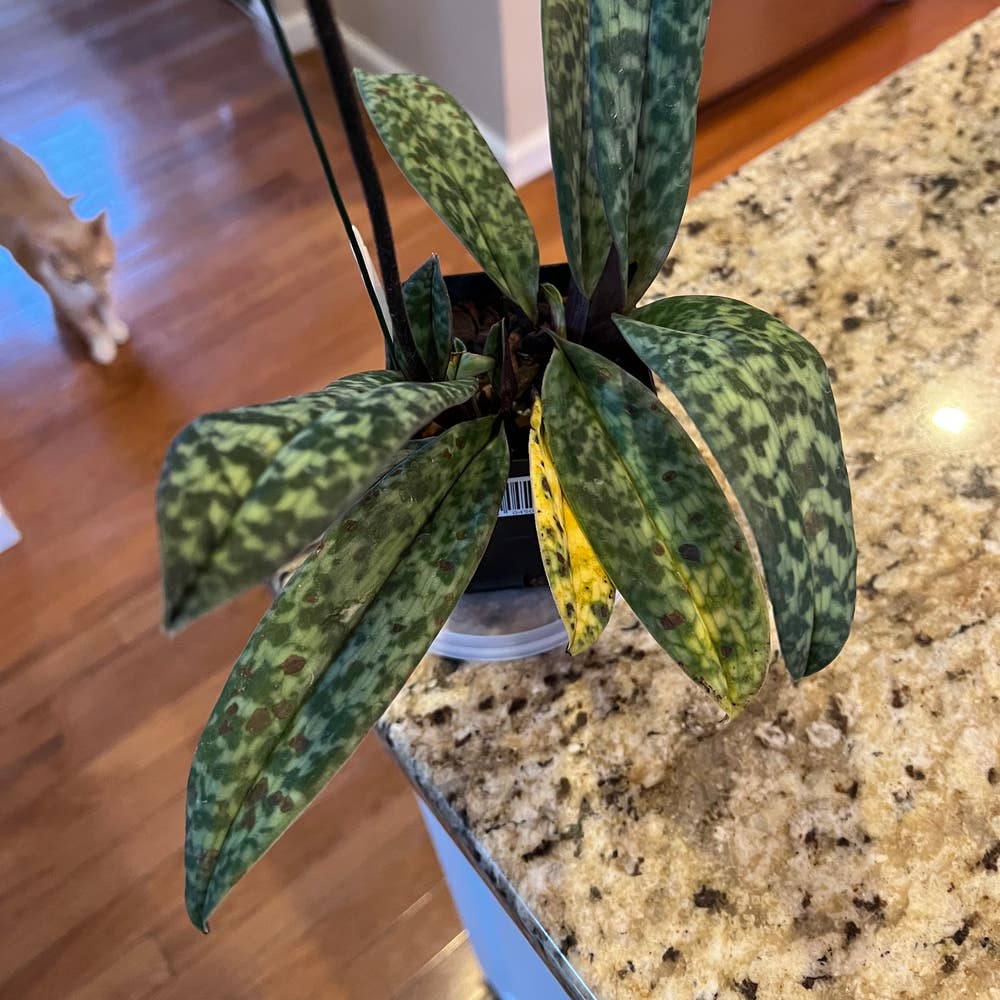
Signs of dormancy include yellowing leaves and a reduced growth rate. These indicators signal that the plant is conserving energy for the next growth cycle.
Seasonal Adaptations 🌞
Temperature and light play crucial roles during the dormancy phase. Spicer's Paphiopedilum thrives in cooler temperatures and requires less light, mimicking its natural habitat.
As seasons change, the plant's growth resumes with the return of warmer temperatures and increased light. This transition is vital for triggering new growth and flowering.
Understanding these dormancy patterns helps you care for your Paphiopedilum effectively. By recognizing the signs and adjusting conditions, you can ensure a vibrant resurgence in the growing season.
Next, we'll explore the advantages of Spicer's Paphiopedilum for gardeners, highlighting its long-term benefits and care tips.
Advantages for Gardeners
🌱 Benefits of Reduced Replanting
Spicer's Paphiopedilum offers a fantastic long-term investment for gardeners. As a perennial plant, it eliminates the need for frequent replanting, saving both time and money.
🌳 Importance of Established Root Systems
The established root systems of Spicer's Paphiopedilum provide enhanced stability. This resilience helps the plant withstand environmental stressors, ensuring a robust growth cycle.
Moreover, these roots improve nutrient uptake over time. A well-developed root system means better access to essential soil nutrients, promoting healthier plants.
🌦️ Climate Variations
Understanding climate variations is crucial for successful gardening with Spicer's Paphiopedilum. This plant thrives in different zones, adapting its growth patterns to local conditions.
Flowering can also vary significantly based on climate. Gardeners may notice differences in blooming times and flower quality depending on their specific environment.
🗺️ Tips for Garden Planning
Strategic placement is key to optimizing growth. Choose locations that provide the right balance of sunlight and shade for Spicer's Paphiopedilum.
Companion planting can further enhance growth. Selecting compatible plants can create a supportive ecosystem, benefiting all species involved.
Finally, seasonal care adjustments are essential. Tailoring your care practices to seasonal changes will help ensure your plants thrive year-round.
With these insights, you can maximize the benefits of Spicer's Paphiopedilum in your garden. Embrace the joy of perennial gardening and watch your plants flourish!
⚠️ Safety First
This content is for general information and may contain errors, omissions, or outdated details. It is not medical, veterinary advice, or an endorsement of therapeutic claims.
Always consult a qualified healthcare professional before using any plant as food, medicine, or supplement.
Never eat any plant (or feed one to pets) without confirming its identity with at least two trusted sources.
If you suspect poisoning, call Poison Control (800) 222-1222, the Pet Poison Helpline (800) 213-6680, or your local emergency service immediately.
Spotted an error? Please report it here.
Nurture your Spicer's Paphiopedilum to bloom beautifully 🌸 year after year with Greg's personalized care reminders that simplify your gardening journey!