Best Potting Soil Mix for Paphiopedilum spicerianum
Paphiopedilum spicerianum
By the Greg Editorial Team
Apr 06, 2024•4 min read
This article was created with the help of AI so we can cover more plants for you. May contain errors. See one? Report it here.
- Yellow leaves, stunted growth signal root rot; foul odors indicate unhealthy soil.
- Well-draining, airy soil with bark, perlite, moss, and charcoal is ideal.
- Customize soil mix based on plant's response and tweak for vibrant blooms.
Spotting Trouble in Paradise: Unhealthy Soil Signs
🚩 Telltale signs your Paphiopedilum spicerianum is unhappy with its soil
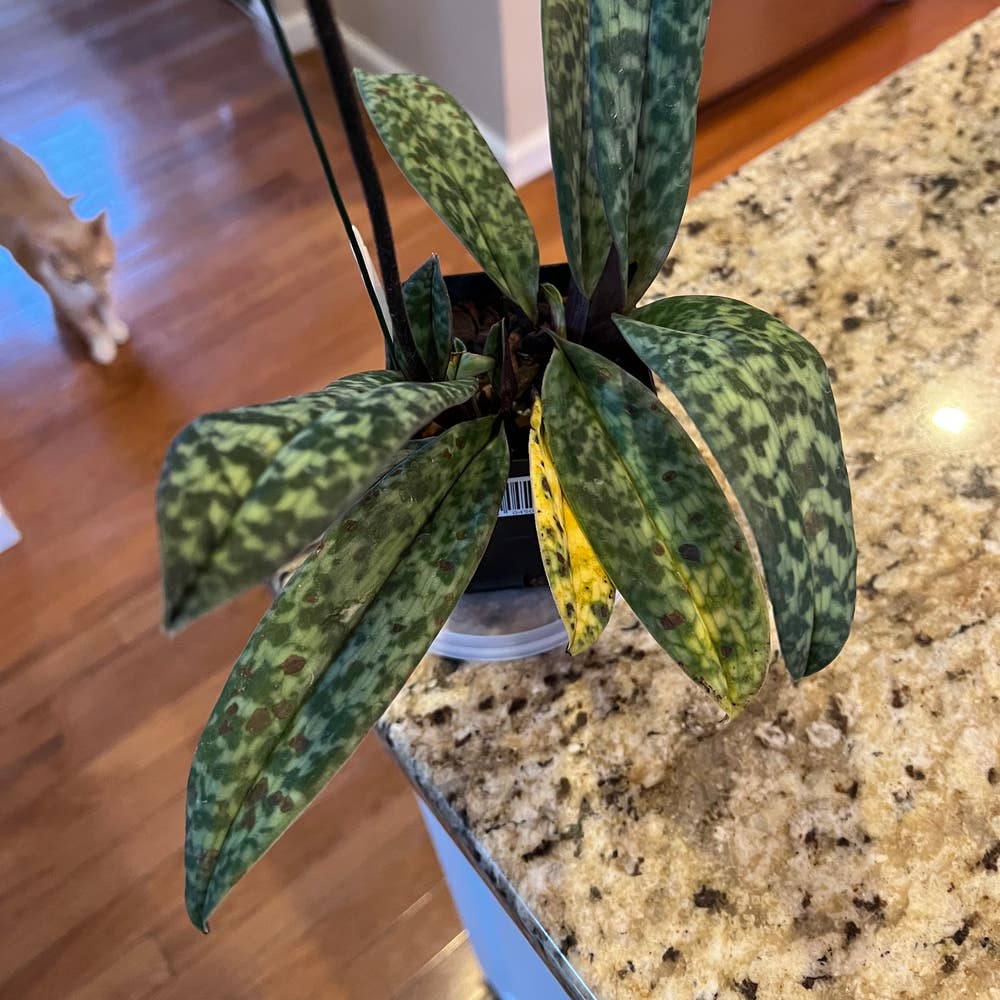
Yellowing leaves or a stunted growth pattern are your orchid's version of a distress signal. If the roots resemble overcooked spaghetti—dark and mushy—it's a clear sign of trouble. Root rot is often the culprit, and it's a fast track to plant demise.
🚨 How unhealthy soil can throw a wrench in your plant's growth
Foul odors emanating from the pot are a dead giveaway of unhealthy soil. This stench is a no-go, signaling decay and potential root damage. Moldy growths or a musty smell also indicate excess moisture and poor air circulation, both of which are enemies to your Paphiopedilum spicerianum.
Pale or purple leaves? Nutrient deficiencies might be playing hard to get. A white crust on the soil surface suggests mineral buildup from over-fertilization. Keep an eagle eye on these changes—they're the first to spill the tea on your soil's health.
Pests making themselves at home? It's a sign that your watering habits might need a reassessment. Bugs love a damp environment as much as campers love a sunset, but your orchid certainly does not.
Lastly, if the soil feels more like a wet sponge than a nurturing bed, it's time to rethink your mix. Your Paphiopedilum spicerianum prefers its soil like its humor—dry and well-draining.
The Dream Soil Mix: What Paphiopedilum spicerianum Craves
🌱 The ideal texture and composition for Paphiopedilum spicerianum roots
Paphiopedilum spicerianum, with its distinctive charm, demands a soil mix that mirrors its natural habitat. The roots crave a blend that's airy and well-draining, allowing them to breathe and drink at their leisure.
💧 Balancing moisture and drainage: Ingredients that make the cut
To achieve the perfect balance, coconut coir or sphagnum moss can be the base for moisture retention. Perlite or pumice should be sprinkled in generously to ensure that water flows through with ease, preventing root rot. A dash of fine bark mimics the orchid's natural perching on trees, and a sprinkle of charcoal keeps the mix sweet and clean. Remember, it's not just about the mix; it's about creating a home where your Paphiopedilum can thrive.
Mixing It Up: Crafting the Perfect Home Brew for Your Orchid
🌱 Step-by-step guide to creating your own Paphiopedilum spicerianum soil mix
Creating a custom soil mix for your Paphiopedilum spicerianum is straightforward. Here's how to do it:
- Gather your ingredients: You'll need bark, perlite, sphagnum moss, and charcoal.
- Measure out: Start with a base of equal parts bark, perlite, and sphagnum moss.
- Add charcoal: Sprinkle a bit of charcoal into the mix for its purifying properties.
- Mix thoroughly: Ensure the components are evenly distributed.
- Test the texture: Aim for a consistency that's moist but not wet, like a well-wrung sponge.
- Adjust as needed: If the mix feels too dense, add more perlite; if too dry, more sphagnum moss.
🌿 The role of each component: Bark, perlite, sphagnum moss, and charcoal
Each component of your soil mix serves a specific purpose:
- Bark: Provides structure and prevents soil compaction.
- Perlite: Ensures aeration, allowing the roots to breathe.
- Sphagnum Moss: Retains moisture without becoming waterlogged.
- Charcoal: Acts as a filter to keep the soil fresh and free from impurities.
🌱 Adjusting the mix: Tips for tweaking the recipe to suit your plant's needs
Your Paphiopedilum spicerianum's soil mix may need adjustments based on your environment and the plant's response:
- If the leaves yellow, consider reducing moisture by adding more bark or perlite.
- For a plant that dries out too quickly, increase sphagnum moss content for better water retention.
- Observe your orchid's growth and adapt the mix as needed, aiming for a balance that supports healthy roots and vibrant blooms.
When Soil Goes South: Fixing and Preventing Soil Woes
🍄 Reviving your Paphiopedilum spicerianum from moldy or compacted soil
Mold and compaction spell trouble for your Paphiopedilum spicerianum. Act fast when you spot these issues. For mold, scrape off the surface growth and let the soil dry. Increase airflow around your orchid to discourage future fungal guests. Compacted soil needs a quick jab with a fork to reintroduce oxygen to the roots, giving them their much-needed 'room to breathe.'
🌱 Long-term strategies to keep your soil mix in top shape
Prevention is better than cure. Repot every 2-3 years with fresh soil to avoid compaction and root rot. Check the drainage holes regularly; roots peeking out are a cry for help. Monitor watering—overdoing it invites mold and root rot. Keep the soil moist, not a swamp, and always check for dryness before adding more water. Remember, a healthy Paphiopedilum spicerianum starts with the soil it calls home.
⚠️ Safety First
This content is for general information and may contain errors, omissions, or outdated details. It is not medical, veterinary advice, or an endorsement of therapeutic claims.
Always consult a qualified healthcare professional before using any plant as food, medicine, or supplement.
Never eat any plant (or feed one to pets) without confirming its identity with at least two trusted sources.
If you suspect poisoning, call Poison Control (800) 222-1222, the Pet Poison Helpline (800) 213-6680, or your local emergency service immediately.
Spotted an error? Please report it here.
Craft the ideal potting mix for thriving orchids 🌸 with Greg's personalized soil blend recommendations, ensuring your Paphiopedilum spicerianum avoids common pitfalls.