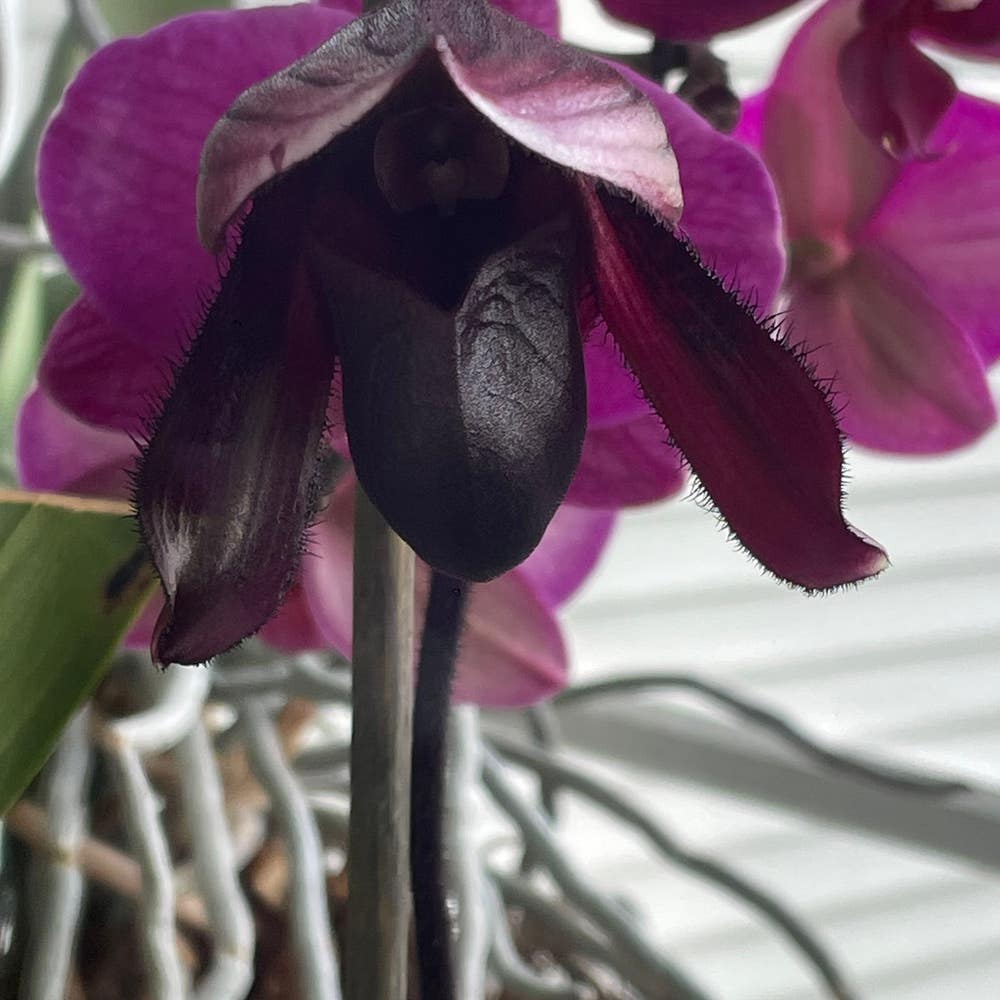
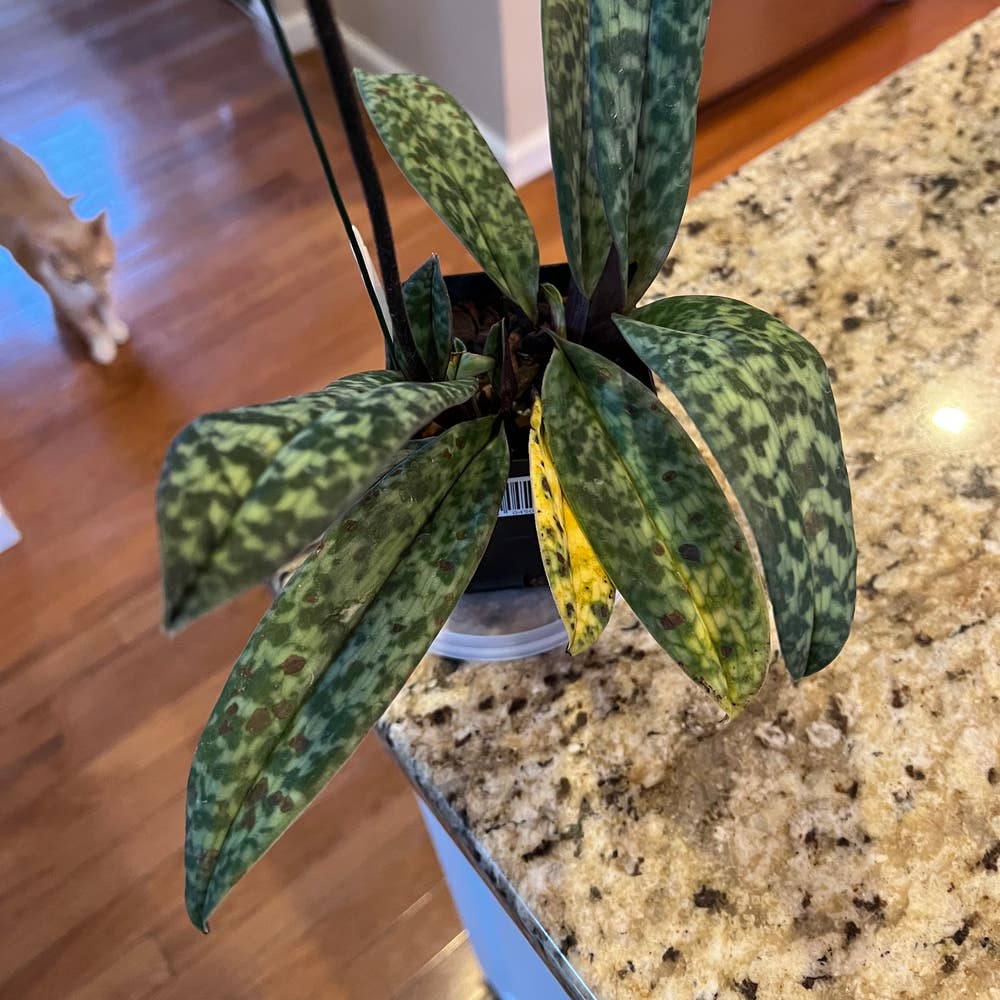
🐛 What Are The Bugs on My Paphiopedilum spicerianum?
Paphiopedilum spicerianum
By the Greg Editorial Team
Apr 06, 2024•3 min read
This article was created with the help of AI so we can cover more plants for you. May contain errors. See one? Report it here.
- 🕵️♂️ Inspect regularly for spider mites, scale, mealybugs, and thrips.
- 🧴 Use alcohol, neem oil, or insecticides to combat pests effectively.
- 🚫 Quarantine new plants and maintain cleanliness to prevent infestations.
Introduction
Venturing into the world of Paphiopedilum spicerianum means facing a tiny army of pests, each with a unique modus operandi. Spotting these critters early is not just good practice; it's a lifesaver for your orchid.
Meet the Unwanted Guests: Common Pests of Paphiopedilum spicerianum
🕷️ Spider Mites: The Sneaky Sap-Suckers
Webbing on your Paphiopedilum spicerianum? You've got spider mites. These tiny terrors suck the sap, leaving leaves looking lackluster.
⚔️ Fight Back
Neem oil or insecticidal soap are your go-to weapons. They'll send the mites packing.
👀 Keep Them Away
Regular leaf inspections are non-negotiable. Stay vigilant to keep these pests at bay.
🦠 Scale: The Sticky Freeloaders
Notice waxy bumps on stems or leaves? That's scale. They're freeloaders, sticking to your plant and sucking it dry.
🚫 The Removal Squad
Rubbing alcohol or horticultural oil will do the trick. Apply directly to evict these sticky invaders.
🛡️ Prevention Patrol
Quarantine new plants. It's the best defense to keep scale from spreading.
🦟 Fungus Gnats and Fruit Flies: The Root of the Problem
Dark flies around your plant or larvae in the soil? Fungus gnats and fruit flies are throwing a party at your orchid's expense.
🪤 Ground Control
Sticky traps or a hydrogen peroxide soil drench can help you regain control.
🏜️ Dry Strategy
Ensure proper soil drainage. It's a simple yet effective way to deter these pests.
🐛 Mealybugs: The Fluffy Destroyers
White, cottony clusters? Mealybugs are the culprits. They're fluffy, but they destroy plant vigor.
🍸 Alcohol to the Rescue
Dabbing with rubbing alcohol can disrupt their cozy setup. It's a simple but effective method.
👀 Inspection Routine
Check your plants regularly. It's the best way to catch these fluffy fiends early.
🌺 Thrips: The Flower Foes
Silver streaks or stippling on leaves? Thrips are at work. They're not just annoying; they're foes to your flowers.
🪓 Thrip Thrashers
Neem oil or pyrethrin-based insecticides can help you thrash these pests. They're tough, but not invincible.
🧹 Cleanliness is Key
Maintain a tidy growing area. It's crucial for keeping thrips from making themselves at home.
Conclusion
In the trenches of Paphiopedilum spicerianum care, your vigilance is the shield and sword. Regular check-ups are not just a good idea; they're your plant's lifeline. Catching invaders like spider mites or mealybugs early can save your orchid from becoming an all-you-can-eat buffet for pests. Remember, prevention is better than cure—keep those eyes peeled.
🕵️ Embracing Vigilance
Spotting pests early is half the battle won. Your Paphiopedilum spicerianum isn't just another pretty face; it's a living organism that relies on you for defense. Stay proactive with regular plant check-ups—think of them as your morning coffee, essential for a good start to the day.
💪 The Power of Persistence
Persistence is crucial. If you've spotted trouble, don't just treat once and call it a day. Repeat treatments weekly for at least a couple of weeks to ensure your orchid comes out on top in this bug battle.
🛡️ Keeping the Upper Hand
Stay consistent. Pests are like bad habits; they'll return if you let your guard down. Keep your Paphiopedilum spicerianum under a watchful eye, and you'll enjoy these stunning orchids without the unwanted drama of a bug infestation.
⚠️ Safety First
This content is for general information and may contain errors, omissions, or outdated details. It is not medical, veterinary advice, or an endorsement of therapeutic claims.
Always consult a qualified healthcare professional before using any plant as food, medicine, or supplement.
Never eat any plant (or feed one to pets) without confirming its identity with at least two trusted sources.
If you suspect poisoning, call Poison Control (800) 222-1222, the Pet Poison Helpline (800) 213-6680, or your local emergency service immediately.
Spotted an error? Please report it here.
Ensure your Paphiopedilum spicerianum stays pest-free 🌿 with Greg's custom reminders for timely inspections and treatments, keeping those bugs at bay!