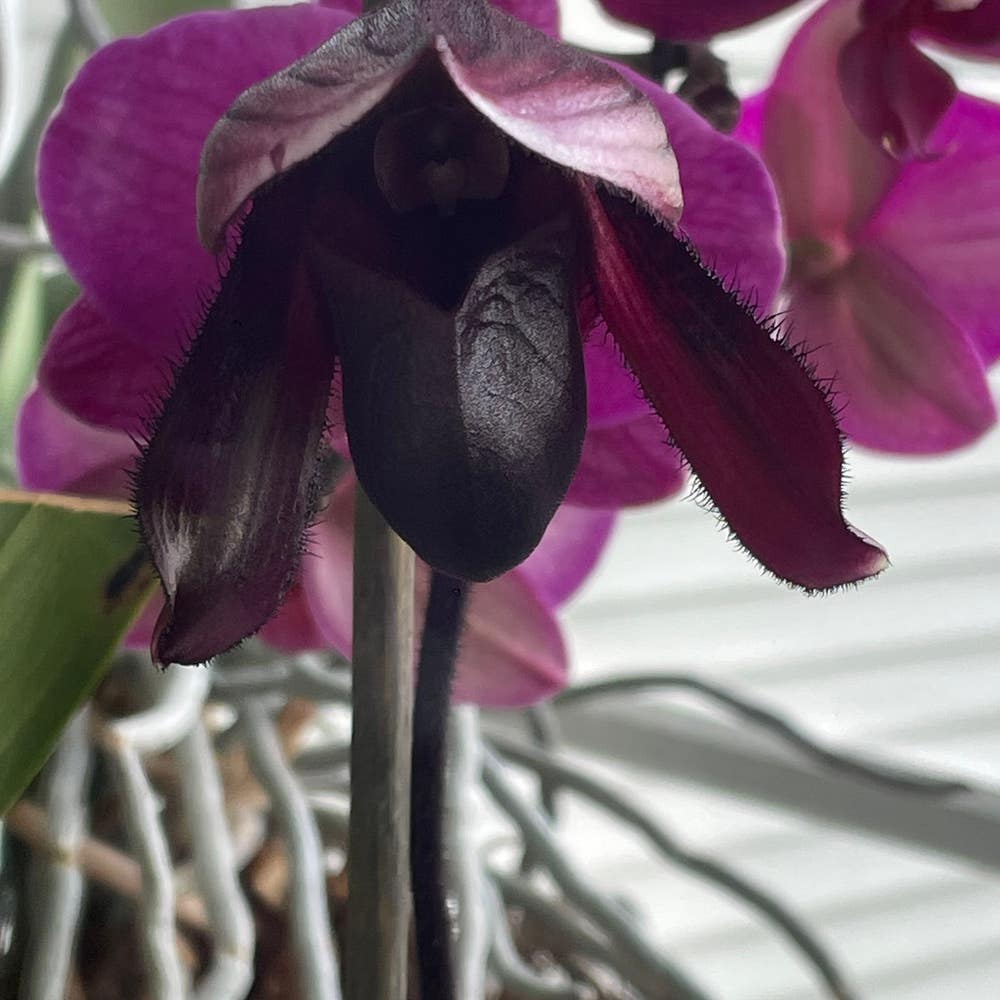
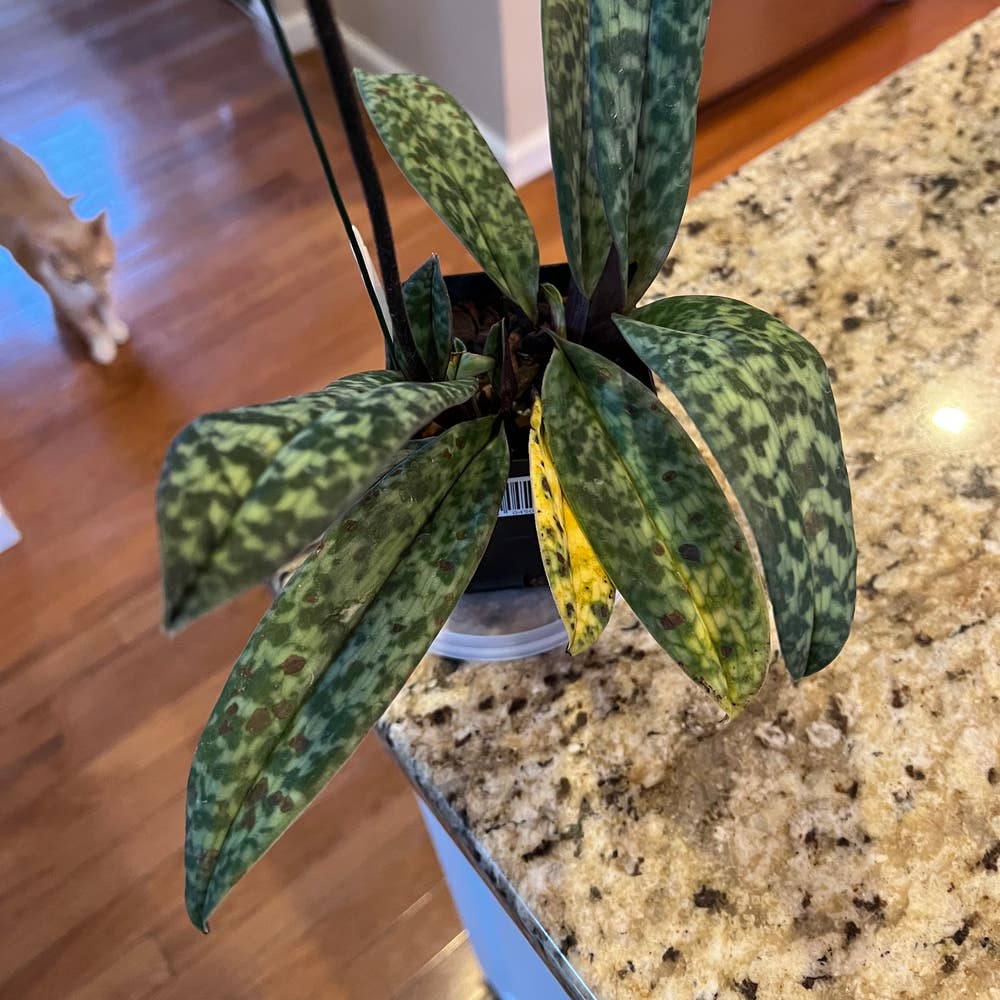
Why Are My Paphiopedilum spicerianum Leaves Falling Over?
Paphiopedilum spicerianum
By the Greg Editorial Team
Apr 06, 2024•4 min read
This article was created with the help of AI so we can cover more plants for you. May contain errors. See one? Report it here.
- Bright, indirect sunlight prevents droopy Paphiopedilum spicerianum leaves.
- Check soil before watering; wait until top inch is dry.
- Proper drainage and regular checks keep leaves perky and healthy.
Spotting the Culprits: Common Causes and Fixes for Droopy Leaves
💡 Insufficient Light: Finding the Sweet Spot
Low light can turn your Paphiopedilum spicerianum into a slouchy mess. If the leaves are more limp than a wet noodle, it's time to amp up the brightness. Place your plant in a spot where it can soak up bright, indirect sunlight without getting a sunburn. Rotate the pot occasionally to ensure even light distribution, keeping those leaves perky.
🚰 Water Woes: Striking the Right Balance
Overwatering is like giving your plant a bath when it just needs a sip. Root rot sets in, and leaves fall over like they've had one too many. On the flip side, underwatering leaves your plant as parched as a desert cactus. The trick is to check the top inch of soil; if it's dry, it's time to water. Remember, your Paphiopedilum prefers its soil moist, not soggy.
🍽️ Potting Mix Pitfalls: Ensuring Proper Drainage
Your potting mix should be the life support system for your plant, not its wet blanket. A mix that's too dense is a no-go. Opt for a blend with perlite or coarse sand to keep things airy and well-draining. If your plant's roots are suffocating, consider repotting with this improved mix. And don't forget those drainage holes – they're your plant's lifeline to avoid waterlogged roots.
Tactical Adjustments: Immediate Actions to Rescue Your Plant
💡 Let There Be Light: Optimizing Light Conditions
Paphiopedilum spicerianum thrives in bright, indirect light. If your plant's leaves are falling over, it might be craving more lumens. Move it to a spot where it can bask in the gentle morning sun or receive filtered afternoon rays. Avoid direct midday sunlight, which can be too intense and cause leaf burn. It's a game of location—find a sweet spot where your plant can soak up just the right amount of light without getting a sunburn.
🚰 Watering Wisdom: Fine-Tuning Your Schedule
Watering is an art, especially for Paphiopedilum spicerianum. These orchids prefer their soil to be moist, but not waterlogged. Check the pot's weight or stick a finger in the soil—if it's dry an inch down, it's time to water. If it's still damp, hold off. Overwatering can lead to droopy leaves, so ensure your pot has drainage holes to let excess water escape. It's about balance, not extremes. Keep the watering can handy, but use it judiciously.
Building Resilience: Long-Term Strategies to Keep Leaves Perky
💡 Crafting the Perfect Home: Ideal Growing Conditions
Consistency is key for Paphiopedilum spicerianum. Aim for a stable environment that mimics their natural habitat. Light should be bright but indirect, avoiding the harsh midday sun that can scorch leaves. Temperature-wise, keep things comfortable, between 22–28°C, avoiding sudden fluctuations that can stress the plant.
Humidity needs special attention. These orchids thrive in moderate to high humidity. If your air is drier than a stand-up comedian's wit, consider a humidifier or a pebble tray to up the moisture. Air circulation is also crucial; stagnant air is about as beneficial as a screen door on a submarine. Ensure gentle air movement to keep those leaves perky.
🛡️ Vigilant Care: Monitoring and Proactive Measures
Regular inspections are like health check-ups for your plant. Catching subtle shifts in leaf color or firmness early can head off a full-blown droop crisis. It's not neurotic; it's nurturing.
Watering should be precise—think of it as a tailored suit, fitting just right. Overwatering is a common faux pas, leading to limp leaves faster than you can say "soggy." Allow the top layer of soil to dry slightly between waterings.
Pruning isn't just a cosmetic fix; it's a strategic snip. Remove dead or dying foliage to redirect energy to healthy growth. It's like cutting loose the freeloaders so the rest of the team can thrive.
Mulching can be a game-changer, helping to maintain moisture without waterlogging. But moderation is the mantra—too much mulch is like a blanket in a heatwave.
By embracing these strategies, you're not just playing defense against droopiness; you're cultivating a fortress of resilience for your Paphiopedilum spicerianum.
⚠️ Safety First
This content is for general information and may contain errors, omissions, or outdated details. It is not medical, veterinary advice, or an endorsement of therapeutic claims.
Always consult a qualified healthcare professional before using any plant as food, medicine, or supplement.
Never eat any plant (or feed one to pets) without confirming its identity with at least two trusted sources.
If you suspect poisoning, call Poison Control (800) 222-1222, the Pet Poison Helpline (800) 213-6680, or your local emergency service immediately.
Spotted an error? Please report it here.
Ensure your Paphiopedilum spicerianum stands tall with custom care 🌱 from Greg, balancing light and moisture effortlessly.