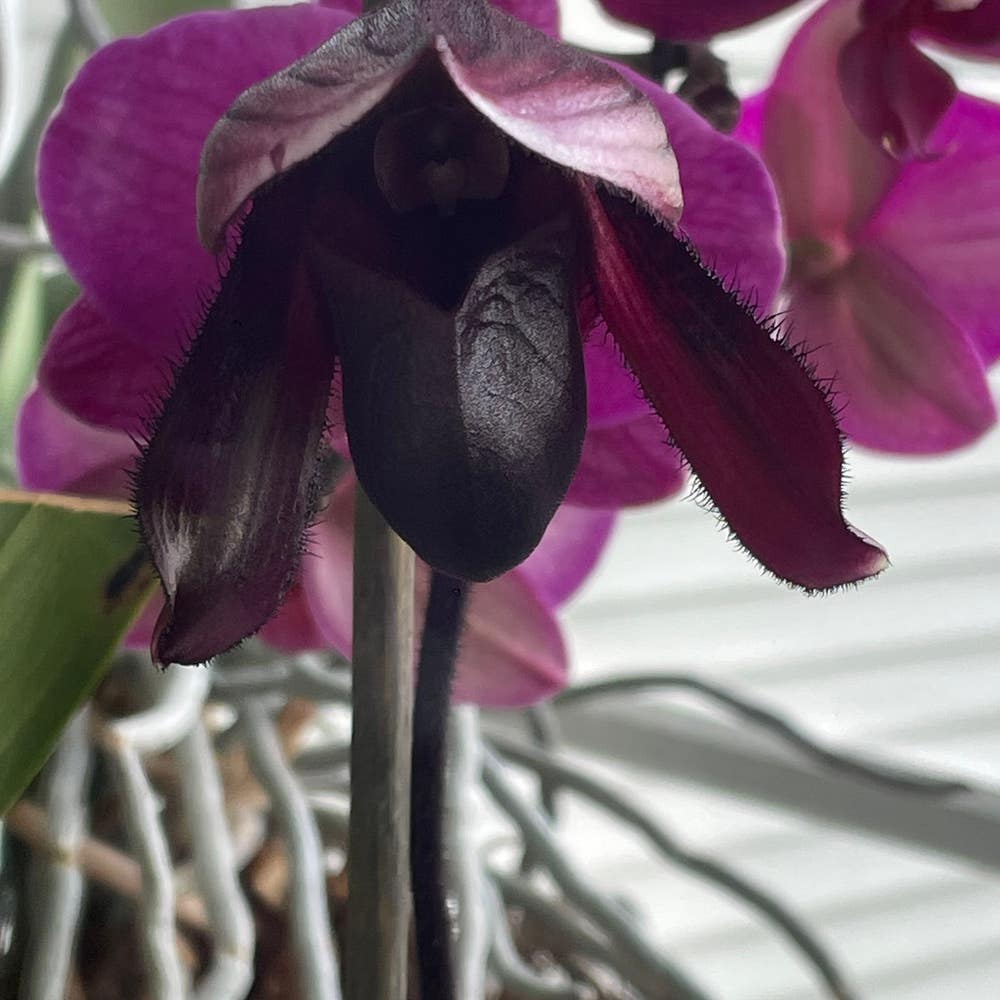
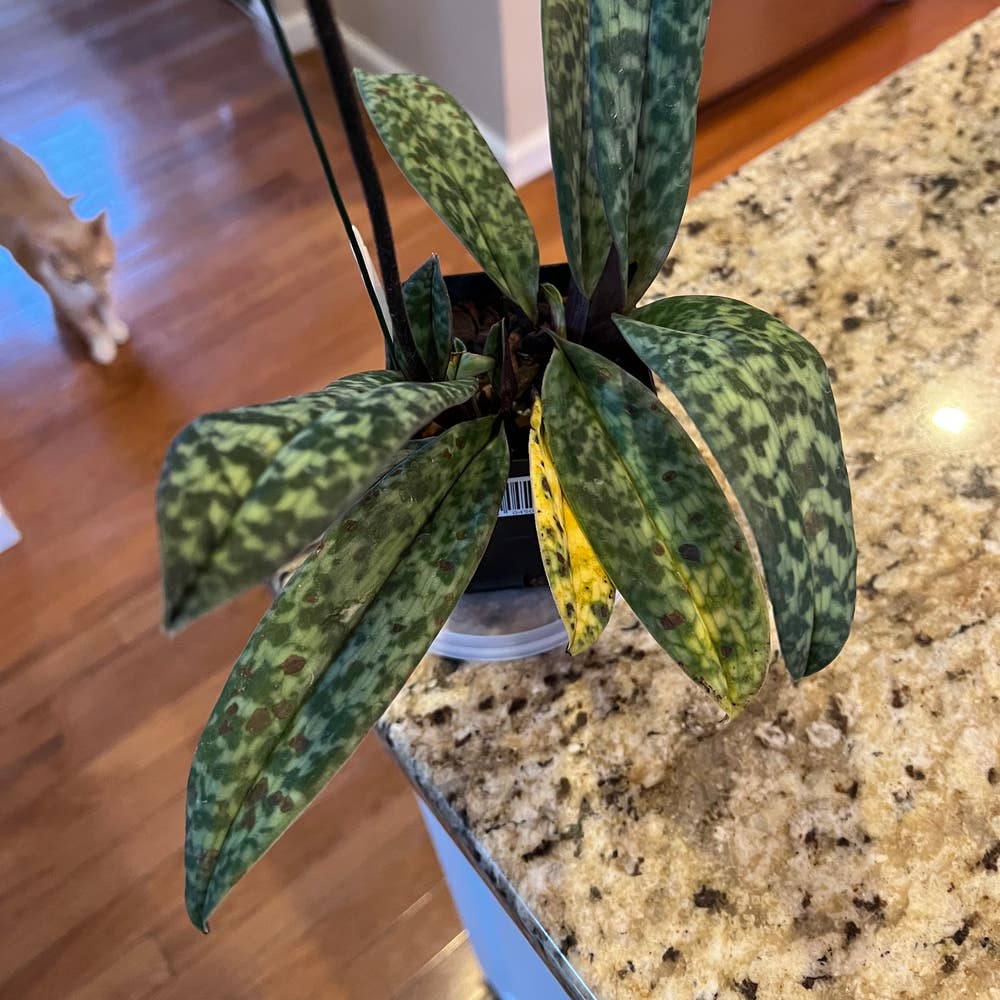
Why Does My Paphiopedilum spicerianum Have Yellow Leaves?
Paphiopedilum spicerianum
By the Greg Editorial Team
Apr 06, 2024•6 min read
This article was created with the help of AI so we can cover more plants for you. May contain errors. See one? Report it here.
- 🍂 Natural aging vs. stress: Rapid, widespread yellowing signals plant distress.
- 💧🌞 Balance water and light: Over/underwatering and improper lighting cause yellowing.
- 🌱 Nutrients and care: Use nitrogen-rich fertilizer and prevent pests for healthy leaves.
When Yellow Leaves Are Just Old Age
🍂 Spotting the Difference
Yellow leaves can be the plant's swan song for its oldest foliage. When it's the lower leaves bidding adieu, you're likely witnessing a natural retirement party. But, if the upper echelon of leaves starts to pale, it's time to play detective with your care routine.
🌿 Natural Aging: A Graceful Exit
Older leaves turning yellow is akin to us humans going grey – it's inevitable. They've done their photosynthesis bit; now they're stepping down. If your Paphiopedilum spicerianum's lower leaves are slowly turning yellow and it's just a leaf or two at a time, it's likely just the plant's way of making room for new growth.
🕰 The Telltale Timing
Keep an eye on the timing of the yellowing. Is it a gradual change or a sudden shift? A slow transition usually means natural aging, while a rapid change could signal stress or sickness.
🔍 Observing Patterns
Patterns in leaf yellowing are like breadcrumbs leading you to the root of the issue. If it's just the old guard on the outside turning yellow, you can probably chill. However, if the yellowing is more like a rash spreading across various parts of the plant, it's time to spring into action.
🌱 Letting Nature Take Its Course
When it's just a case of natural aging, let nature do its thing. Once a leaf starts its yellow journey, there's no U-turn. Focus on the new leaves that are coming through. They're the future.
🚨 Quick Action for Unusual Patterns
If you notice a mass exodus of yellow leaves from all over the plant, don't just stand there; it's time for some serious plant parenting. This could be a sign of distress, and your Paphiopedilum spicerianum is crying out for help.
✂️ Grooming the Old
When it's clear that a leaf's yellowing is due to old age, it's okay to trim it away. This helps the plant focus its energy on the fresh, green growth and keeps your orchid looking its best.
Water Woes: Striking the Right Balance
🌊 Too Much of a Good Thing: Overwatering Hazards
Yellowing leaves and limp stems are red flags for overwatering your Paphiopedilum spicerianum. The roots may also be dark and mushy—classic signs of root rot. To rescue your waterlogged orchid, first, ease up on the watering. Check the pot's drainage and consider repotting with fresh, well-draining media. Monitor the plant's recovery, adjusting your watering schedule to prevent future mishaps.
🏜️ When Thirst Turns Critical: Underwatering Stress
On the flip side, a parched orchid will display pleated leaves and stunted growth. The soil will feel bone-dry, and the plant's overall demeanor screams dehydration. To rehydrate, increase watering frequency cautiously. Allow the topsoil to dry slightly between waterings, ensuring you're quenching the orchid's thirst without drowning it. Remember, it's about giving a consistent sip, not a deluge.
The Light of Life: Finding the Sweet Spot
💛 Telltale Signs of Light-Related Yellowing
Yellow leaves on your Paphiopedilum spicerianum can be a distress signal, not just a fashion statement. If they're bleached or flaunting a sunburnt hue, your orchid is pleading for less light. Dark green, limp leaves? Crank up the sunlight. It's a delicate dance of shadows and rays.
🌞 Adjusting Your Orchid's Sunbathing Routine
To prevent your orchid from turning into a crispy critter, avoid direct sunlight. Think of bright, indirect light as the sweet spot—like a cozy nook that's just right for reading. If your orchid's leaves are the barometer, then you're aiming for a healthy, light-induced blush, not a full-on sunburn.
🌅 Finding the Goldilocks Zone
Indoors, your orchid will love the filtered sunlight behind a sheer curtain. It's the plant equivalent of a beach umbrella. Remember, acclimate your orchid to new lighting conditions gradually. Sudden changes are more shocking than a plot twist in a thriller novel.
🗝 Stability is Key
Once you find that perfect spot where your orchid thrives, keep it there. Orchids aren't nomads; they're homebodies that flourish with consistent care. A stable environment means a happy orchid, and a happy orchid is less likely to throw a yellow leaf tantrum.
💡 Light Meters: Your Secret Weapon
If you're tired of guessing games, a light meter can be your best friend. It'll help you provide a consistent level of bright, indirect light, which is like a daily dose of happiness for your orchid, minus the risk of sunburn.
Feeding Finesse: Nutrients and Yellow Leaves
💪 The Nitrogen Necessity
Yellowing leaves might be your orchid's way of saying, "I'm starving for nitrogen!" This essential nutrient is the chlorophyll-building block, vital for photosynthesis. Diagnose nitrogen deficiency by the yellowing of older leaves, while the rest of the plant lags in growth.
To remedy this, introduce a nitrogen-rich fertilizer, but tread lightly. Overdoing it can lead to a lush, all-leaf-no-flower scenario. Think of it as a nutrient-rich snack, not an all-you-can-eat buffet.
🥦 The Balanced Diet Approach
Micronutrients are the supporting cast in your orchid's nutrient drama. Iron, magnesium, and calcium prevent the dreaded interveinal chlorosis—when leaves yellow but veins stay green. Crafting a nutrient schedule is like being a dietitian for your plant.
A balanced, water-soluble fertilizer every 4-6 weeks during growth season hits the sweet spot. Moderation is key; an overfed plant is as unhappy as an underfed one. Keep an eye on the leaf color and growth post-feeding, and adjust your approach like a pro gardener DJ tweaking the mix.
Battling Invaders: Disease and Pest Management
🕵️ Spotting Trouble: Early Signs of Infestation and Infection
Yellow leaves on your Paphiopedilum spicerianum might be sending an SOS. Pests and diseases are the usual suspects. They're stealthy, but not invisible. Look for holes, sticky residues, or the actual critters. Fungal infections? They leave their mark with brown or black spots on leaves, sometimes with a yellow halo.
Act fast when you spot these signs. Quarantine the affected plant to prevent a garden-wide thriller. Remove infected leaves to halt the spread and increase air circulation. It's like giving your plant its personal space to breathe and recover.
🛡️ Integrated Pest and Disease Strategies
Organic solutions first. Introduce beneficial insects like ladybugs to deal with aphids. Neem oil and insecticidal soaps are your precision tools against pests. They're like the snipers in your garden warfare.
For diseases, think prevention. Clear fallen leaves and debris to disrupt the pathogen's life cycle. It's like keeping your garden's immune system in check. Water from the bottom to avoid moisture on leaves, which is a fungal party invitation.
When the going gets tough, chemical fungicides are your heavy artillery. Use them sparingly and as a last resort. Always follow the label instructions like it's the holy grail of gardening.
Remember, the best offense is a good defense. Regular inspections are your patrols, catching invaders before they settle in. Keep your Paphiopedilum spicerianum healthy with proper watering and fertilization, and you'll have a robust plant that can stand its ground against pests and diseases.
⚠️ Safety First
This content is for general information and may contain errors, omissions, or outdated details. It is not medical, veterinary advice, or an endorsement of therapeutic claims.
Always consult a qualified healthcare professional before using any plant as food, medicine, or supplement.
Never eat any plant (or feed one to pets) without confirming its identity with at least two trusted sources.
If you suspect poisoning, call Poison Control (800) 222-1222, the Pet Poison Helpline (800) 213-6680, or your local emergency service immediately.
Spotted an error? Please report it here.
Keep your Paphiopedilum spicerianum's leaves radiantly green 🍃 by letting Greg tailor your orchid's care, from sunlight to watering, for a stress-free thriving bloom!