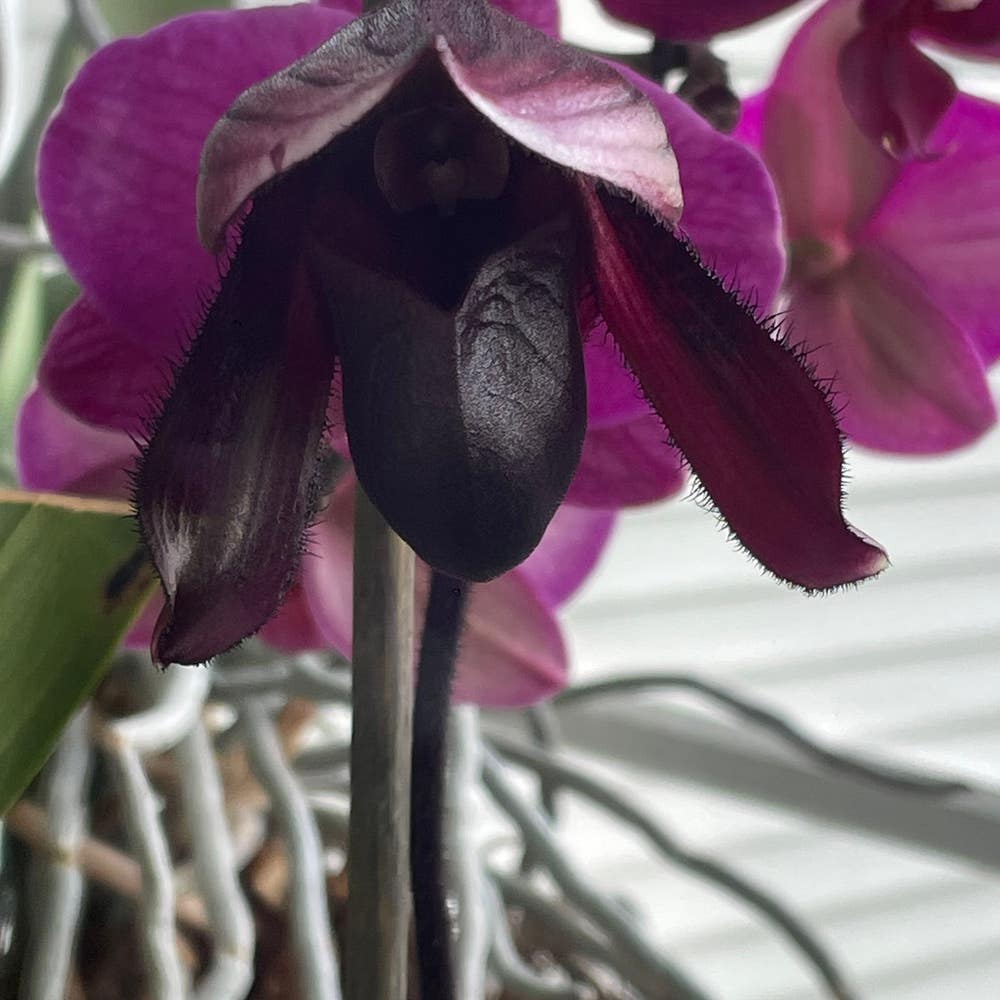
🌸 3 Tips for Growing Spicer's Paphiopedilum Outdoors
Paphiopedilum spicerianum
By the Greg Editorial Team
Oct 02, 2024•6 min read
This article was created with the help of AI so we can cover more plants for you. May contain errors. See one? Report it here.
- 🌞 Bright, indirect sunlight is essential for Spicer's Paphiopedilum growth and blooms.
- 💧 Consistent moisture prevents root rot; water early for optimal drainage.
- 🌱 Monthly fertilization boosts health and vibrant blooms during the growing season.
Outdoor Care Requirements
🌞 Sunlight Needs and Ideal Light Conditions
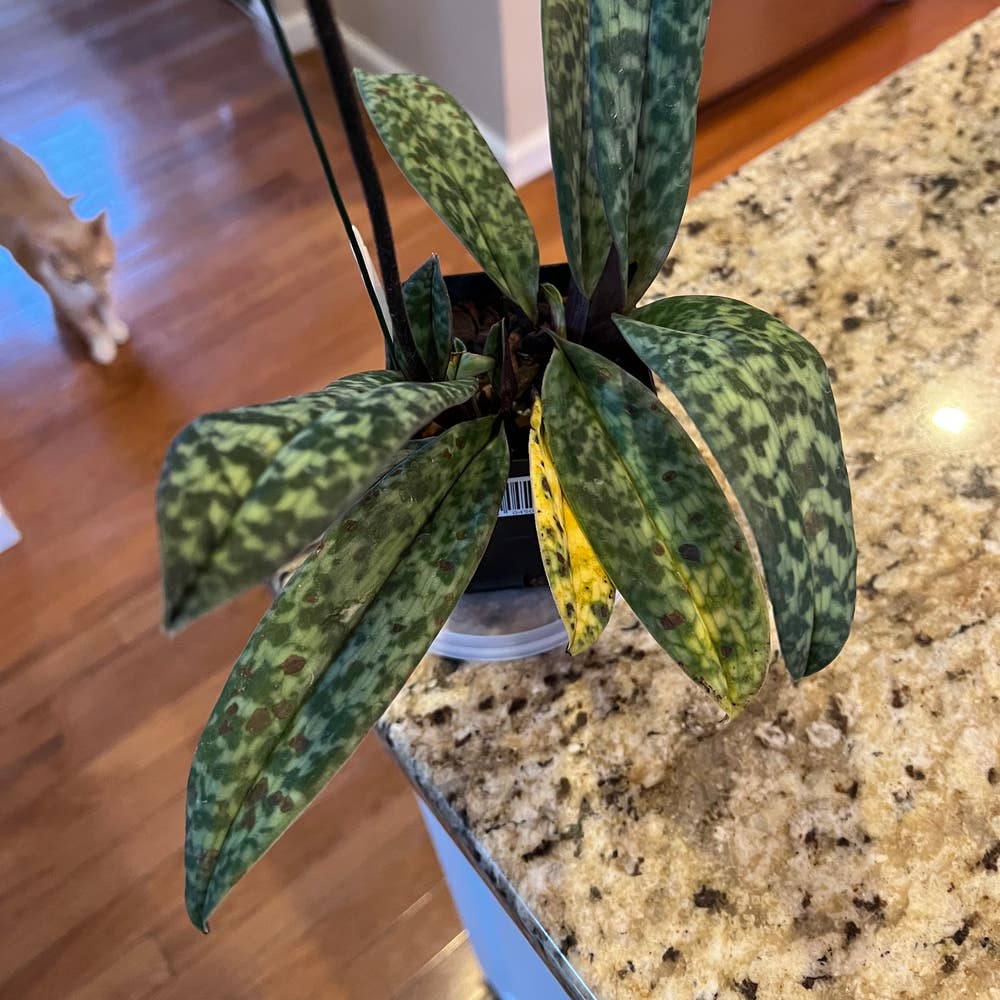
Spicer's Paphiopedilum thrives in bright, indirect sunlight. Too little light can lead to leaf yellowing and poor flowering, signaling that it's time to adjust their environment.
To optimize light conditions, consider using shade cloth or repositioning your plants. This simple adjustment can make a significant difference in their health and blooming potential.
💧 Watering Requirements and Techniques
Keeping the soil consistently moist but not soggy is crucial for your Paphiopedilum. Aim to water regularly, ensuring that the roots stay hydrated without risking root rot.
Best practices include watering early in the day and allowing excess water to drain. During growth periods, you may need to increase your watering frequency to support their active development.
🌱 Soil Preferences and Potting Mix Recommendations
A well-draining mix rich in organic matter is ideal for Spicer's Paphiopedilum. This type of soil supports healthy root development and prevents waterlogging.
You can choose from commercial orchid mixes or create your own homemade blend. Just remember, good drainage is vital to avoid root issues that can arise from excess moisture.
🌼 Fertilization Schedule and Types of Fertilizers
Fertilizing your Paphiopedilum monthly during the growing season will help them flourish. Opt for balanced NPK fertilizers or those specifically formulated for orchids.
When applying fertilizers, dilute them according to the instructions and time your applications for optimal nutrient uptake. This will ensure your plants receive the nourishment they need to thrive.
As you care for your Spicer's Paphiopedilum, keep in mind that each aspect of their care is interconnected. With the right sunlight, watering, soil, and fertilization, you'll set the stage for vibrant, healthy plants ready to bloom beautifully.
Planting Options
Benefits and Drawbacks of Container Planting 🌱
Container planting offers several advantages for Spicer's Paphiopedilum. You gain mobility, allowing you to reposition plants for optimal sunlight or protection from harsh weather.
However, there are drawbacks to consider. Limited root space can restrict growth, and containers may overheat in direct sunlight, stressing your orchids.
When choosing containers, consider clay pots for their breathability or plastic pots for their lightweight convenience. Each type has its merits, so select based on your specific needs.
Benefits and Drawbacks of In-Ground Planting 🌍
In-ground planting provides a more natural environment for your orchids. The larger root space allows for better growth and stability, mimicking their native habitat.
On the flip side, you lose some control over soil conditions and face potential pest issues. To enhance drainage and organic matter content, prepare the soil well before planting.
How to Choose the Right Planting Method for Your Environment 🏡
Choosing the right planting method involves assessing your local conditions. Consider factors like climate, soil type, and available space to determine what works best for you.
Personal preferences also play a role. Think about your aesthetic goals and how much maintenance you're willing to commit to. Balancing these elements will help you make an informed decision.
Protection from Environmental Factors
🌡️ Weather Protection Strategies for Extreme Temperatures
Extreme temperatures can be challenging for Spicer's Paphiopedilum. For cold protection, consider mulching around the base of the plant and using temporary covers during frost events.
In hot weather, shade structures can provide relief from the sun. Adjust your watering routine to ensure the plants remain hydrated without becoming waterlogged.
🐛 Pest Management and Common Outdoor Pests
Pests can pose a significant threat to your orchids. Common culprits include aphids, slugs, and snails, which can wreak havoc on your plants.
Look for signs of infestation, such as leaf damage or sticky residue. Control methods include using organic pesticides and introducing natural predators to keep pest populations in check.
🦠 Disease Prevention and Treatment Options
Orchids are susceptible to various diseases, with root rot and fungal infections being the most common. Watch for symptoms like wilting, discoloration, and stunted growth, which can signal trouble.
To prevent these issues, focus on proper watering techniques, ensure good air circulation, and maintain sanitation in your gardening area. Regular monitoring can help catch problems early, keeping your Spicer's Paphiopedilum healthy and thriving.
With these protective measures in place, your orchids will be better equipped to face environmental challenges. Next, let’s explore how seasonal changes impact their care.
Seasonal Care
🌦️ Seasonal Changes and Their Impact on Care
Understanding the seasonal growth patterns of Spicer's Paphiopedilum is crucial. During active growth, your orchid thrives on consistent care, while dormancy calls for a more relaxed approach.
Adjusting your care routines is essential. Watering and fertilization should be tailored to match these seasonal shifts for optimal health.
❄️ Winter Care Tips for Outdoor Paphiopedilum
Protecting your orchids from frost is vital during winter. Insulating methods, such as using mulch or relocating pots to sheltered areas, can make a significant difference.
Watering frequency should also be reduced during dormancy. This helps prevent root rot and ensures your plant conserves energy.
🌱 Spring and Summer Growth Considerations
As spring and summer roll in, it's time to encourage growth. Increase your watering and fertilization to support the plant's active phase.
Regular inspections for pests and diseases are crucial during these vibrant months. Staying vigilant helps catch any issues early, ensuring your Paphiopedilum remains healthy and flourishing.
With these seasonal care tips, you'll be well-equipped to nurture your Spicer's Paphiopedilum throughout the year. Next, let’s explore how climate zones can influence your outdoor gardening success.
Climate Zone Considerations
Best Climate Zones for Growing Outdoors 🌞
Growing Spicer's Paphiopedilum outdoors thrives best in USDA hardiness zones 10 to 12. These zones offer the warm temperatures and humidity levels that these orchids crave.
Understanding your local climate characteristics is crucial. Pay attention to humidity and temperature ranges to ensure your orchids flourish.
Adjusting Care Based on Local Climate Conditions 🌦️
Tailoring your watering and fertilization practices is essential based on local rainfall and temperature. For instance, during rainy seasons, you might reduce watering frequency.
Seasonal adaptations are also key. Prepare for local weather patterns to keep your orchids healthy and thriving throughout the year.
Tips for Gardeners in Varying Climates 🌍
If you live in cooler climates, consider indoor options or creating microclimates. This can help maintain the warmth and humidity your orchids need.
For gardeners in hot climates, shade solutions are vital. Implementing moisture retention techniques will keep your Spicer's Paphiopedilum hydrated and happy.
As you navigate the challenges of different climates, remember that each environment offers unique opportunities for growth. Embrace these differences to cultivate a thriving outdoor orchid garden.
⚠️ Safety First
This content is for general information and may contain errors, omissions, or outdated details. It is not medical, veterinary advice, or an endorsement of therapeutic claims.
Always consult a qualified healthcare professional before using any plant as food, medicine, or supplement.
Never eat any plant (or feed one to pets) without confirming its identity with at least two trusted sources.
If you suspect poisoning, call Poison Control (800) 222-1222, the Pet Poison Helpline (800) 213-6680, or your local emergency service immediately.
Spotted an error? Please report it here.
Transform your Spicer's Paphiopedilum into a stunning showstopper 🌺 with Greg's customized care tips and watering reminders that ensure your orchids flourish in any outdoor setting!