5 Tips for Pollinating Spicer's Paphiopedilum 🐝
Paphiopedilum spicerianum
By the Greg Editorial Team
Oct 02, 2024•5 min read
This article was created with the help of AI so we can cover more plants for you. May contain errors. See one? Report it here.
- 🌼 Spicer's Paphiopedilum attracts bees and butterflies with its unique slipper shape.
- 🌈 Vibrant colors and structure guide pollinators to reproductive parts for effective fertilization.
- 🤝 Hand pollination boosts seed production; timing and identifying flower parts are key.
Flower Structure
Description of Components 🌼
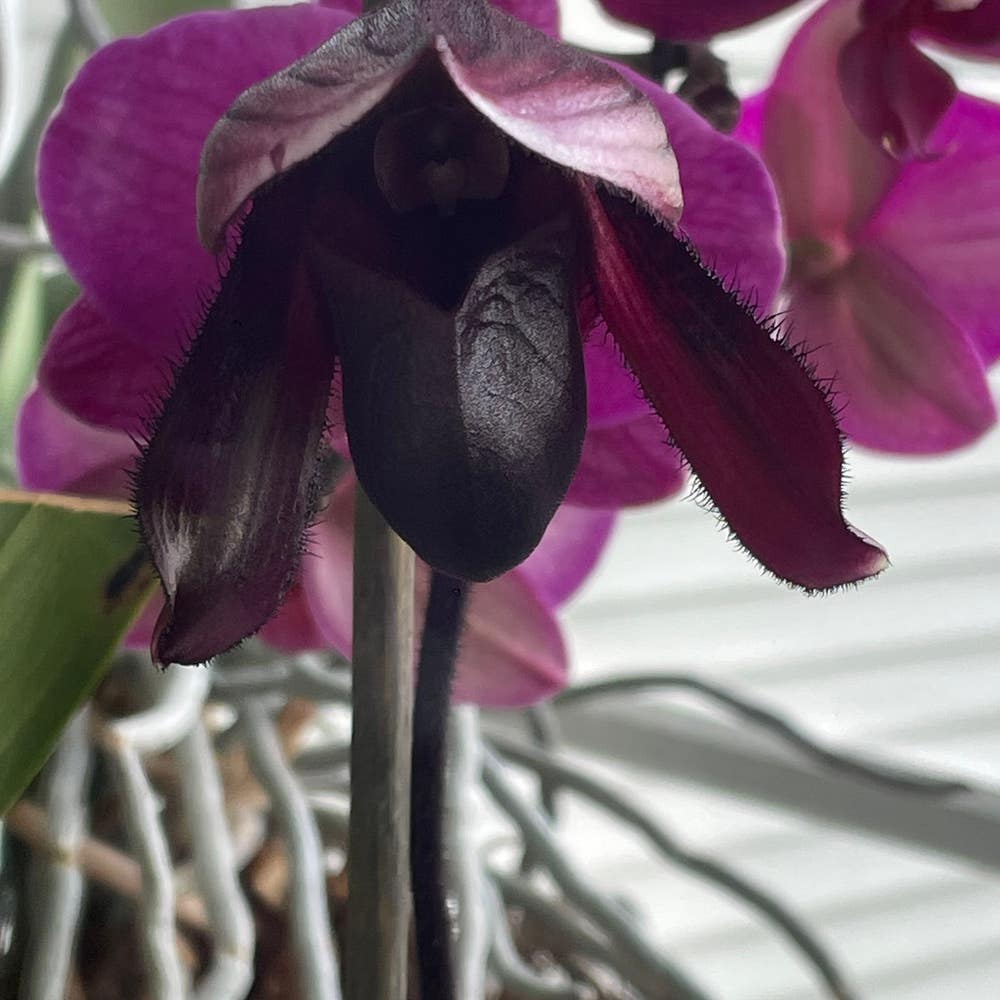
Spicer's Paphiopedilum features a unique slipper shape that captivates both the eye and the attention of pollinators. Its vibrant color variations not only enhance its beauty but also play a crucial role in attracting bees, butterflies, and moths.
The arrangement and color of the sepals contribute significantly to the flower's overall structure. These elements create a welcoming environment for pollinators, guiding them toward the reproductive parts of the flower.
Stamens, located strategically within the flower, are essential for pollen production. They release pollen that is vital for fertilization, ensuring the continuation of the species.
The pistils, positioned to receive pollen, are equally important. Their structure is designed to capture pollen grains, facilitating successful fertilization.
Role in Pollination 🐝
The intricate flower structure of Spicer's Paphiopedilum is a marvel of nature, facilitating cross-pollination effectively. The design encourages pollinators to move from one flower to another, enhancing genetic diversity.
Self-pollination mechanisms may also be present, allowing the plant to reproduce even in the absence of pollinators. This adaptability is crucial for survival in varying environmental conditions.
Morphology plays a vital role in attracting specific pollinator species. The unique features of the flower ensure that it appeals to the right visitors, maximizing the chances of successful pollination.
Understanding these components and their roles not only enriches our appreciation of Spicer's Paphiopedilum but also sets the stage for exploring the pollination process in detail.
Pollination Process
🌼 Cross-Pollination Requirements
Spicer's Paphiopedilum relies on a few key pollinators: bees, butterflies, and moths. These creatures are drawn in by the flower's enticing scents and vibrant colors, which serve as visual cues to guide them.
Pollinators play a crucial role in the cross-pollination process. As they move from flower to flower, they transfer pollen, ensuring genetic diversity and healthier offspring.
🌱 Self-Pollination Mechanism
Interestingly, Spicer's Paphiopedilum can also self-pollinate. This mechanism allows the flower to produce seeds even in the absence of pollinators.
Self-pollination offers a safety net, enhancing seed production and ensuring the continuation of the species. However, combining both methods can lead to even more robust genetic variation.
With a solid understanding of the pollination process, we can now explore the natural mechanisms that facilitate pollen transfer.
Natural Pollination Mechanisms
🌼 Pollen Transfer
Pollen transfer in Spicer's Paphiopedilum is a fascinating process. It begins when pollinators, like bees and butterflies, visit the flower, brushing against the anthers and collecting pollen.
As they move from flower to flower, these pollinators inadvertently deposit pollen onto the stigma. This transfer is crucial for fertilization, ensuring the continuation of the species.
🐝 Importance of Pollination
Pollination is vital for the reproduction of Spicer's Paphiopedilum. It not only facilitates the production of seeds but also enhances genetic diversity within the population.
Genetic diversity is essential for resilience against diseases and environmental changes. By supporting various pollinators, we contribute to a healthier ecosystem and a more vibrant floral community.
Understanding these mechanisms can inspire us to protect and nurture our pollinator friends, ensuring the beauty of these unique orchids continues to thrive.
Hand Pollination Techniques
Hand pollination can be a rewarding way to ensure the success of Spicer's Paphiopedilum. Follow these simple steps to enhance your plant's reproductive success.
Step 1: Identifying Male and Female Flower Parts 🌸
Start by locating the stamens and pistils. The stamens produce pollen, while the pistils are responsible for receiving it.
Step 2: Collecting Pollen 🧹
Use a small brush or cotton swab to gather pollen from the anthers. This method minimizes damage to the delicate flower parts.
Step 3: Transferring Pollen 🎯
Gently apply the collected pollen to the stigma. This step is crucial for successful fertilization.
Step 4: Timing for Hand Pollination ⏰
Perform hand pollination during peak flowering periods. This timing increases the likelihood of successful pollination.
By mastering these hand pollination techniques, you can significantly boost your Spicer's Paphiopedilum's chances of producing seeds. Next, let’s explore how to support pollinators in your garden for even better results.
Supporting Pollinators
🌼 Creating a Pollinator-Friendly Environment
Designing a garden that attracts beneficial pollinators starts with selecting the right plants. Choose a variety of flowering species that bloom at different times to provide a continuous food source.
Incorporating native plants is crucial. They are well-adapted to local pollinators and can thrive with less maintenance.
🌱 Companion Plants
Companion planting can significantly enhance your garden's appeal to pollinators. For instance, planting lavender alongside your Spicer's Paphiopedilum can attract bees and butterflies.
Additionally, native flora not only supports pollinators but also contributes to overall biodiversity. This creates a healthier ecosystem in your garden.
🐝 Pollination Challenges and Solutions
Common Obstacles
Pollination success can be hindered by environmental factors such as temperature, humidity, and light conditions. A lack of pollinator species in your area can also pose a significant challenge.
These obstacles can lead to reduced fruit and seed production, impacting your garden's health.
Solutions
Improving environmental conditions is key. Consider adding shade structures or windbreaks to create a more stable microclimate.
To attract and sustain pollinator populations, plant a diverse range of flowers and provide water sources. Regularly maintaining these elements will help ensure a thriving pollinator-friendly environment.
By fostering a supportive habitat, you not only enhance the beauty of your garden but also contribute to the vital process of pollination. This sets the stage for the next topic: understanding the natural pollination mechanisms that occur within your garden.
⚠️ Safety First
This content is for general information and may contain errors, omissions, or outdated details. It is not medical, veterinary advice, or an endorsement of therapeutic claims.
Always consult a qualified healthcare professional before using any plant as food, medicine, or supplement.
Never eat any plant (or feed one to pets) without confirming its identity with at least two trusted sources.
If you suspect poisoning, call Poison Control (800) 222-1222, the Pet Poison Helpline (800) 213-6680, or your local emergency service immediately.
Spotted an error? Please report it here.
Boost your Spicer's Paphiopedilum's pollination success 🌼 with Greg's tailored care reminders, ensuring your garden attracts pollinators and flourishes beautifully!