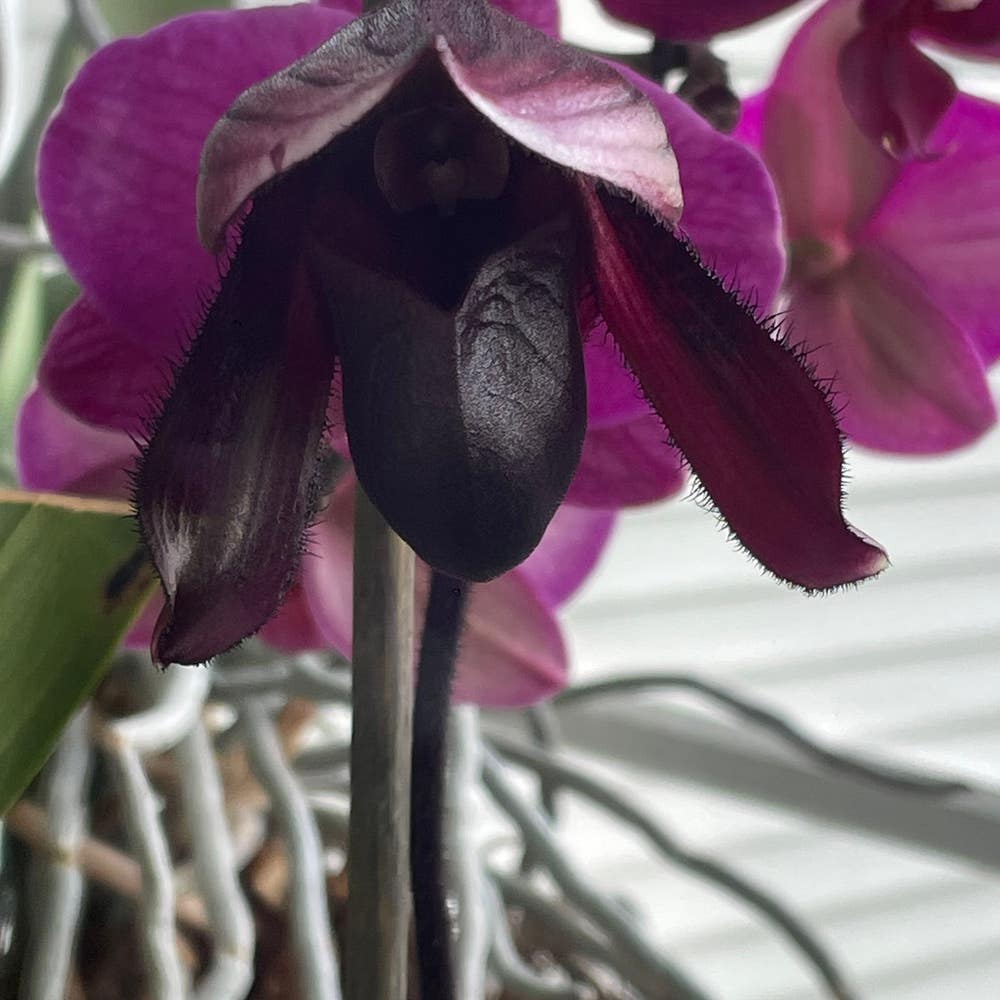
Choosing Fertilizer For My Paphiopedilum spicerianum
Paphiopedilum spicerianum
By the Greg Editorial Team
Apr 06, 2024•4 min read
This article was created with the help of AI so we can cover more plants for you. May contain errors. See one? Report it here.
- Organic vs. Inorganic: Eco-friendly slow-release or quick nutrient boost.
- N-P-K Ratio Matters: Nitrogen for leaves, phosphorus for blooms, potassium for health.
- Seasonal Fertilizing: More in summer, less in winter, watch for overfeeding cues.
Picking Your Potion: Fertilizer Types and Ratios
💩 Organic vs. Inorganic: Pros and Cons for Paphiopedilum spicerianum
Organic fertilizers are the slow-release marathon runners, nurturing your Paphiopedilum spicerianum over time. They're eco-friendly, but patience is key—they don't sprint. Inorganic fertilizers, on the other hand, are the sprinters with a quick nutrient boost. They're potent, so caution is your watchword to avoid root burn, especially with those sensitive hairy roots.
📊 Understanding N-P-K: What Does Your Orchid Crave?
The N-P-K ratio is your orchid's dietary cheat sheet. Nitrogen (N) for the lush leaves, Phosphorus (P) for the blooms and roots, and Potassium (K) for overall health. A balanced ratio like 10-10-10 is a safe start, but watch your plant's cues—leggy growth might mean cutting back on nitrogen.
🌱 Low-Concentration Fertilizers: Why Less is Often More
With Paphiopedilum spicerianum, less is often more. Low-concentration fertilizers reduce the risk of overfeeding and allow for more frequent use without the fear of salt buildup. It's like a light, steady diet rather than a feast-or-famine approach, keeping your orchid in top shape without overwhelming it.
When to Feed Your Floral Friend: Fertilizing Schedule
🌱 Growth Cycle Know-How: Timing Your Fertilization
Spring is showtime for your Paphiopedilum spicerianum. As winter's chill fades, it's time to ramp up your fertilizing game. Kick things off when you spot new growth; this is your orchid's way of saying, "Feed me!"
🌞 Seasonal Adjustments: Winter Rest vs. Summer Growth
Come summer, your orchid is in its prime, craving nutrients to support those stunning blooms. Maintain a steady fertilizing rhythm. But as the days shorten, dial it back. Winter is your orchid's siesta—less food, more rest.
👀 Reading Your Plant's Cues: When to Skip a Meal
Your orchid's not shy—it'll show signs if you're overdoing it. Yellowing leaves? Time to reassess. Remember, it's not just about sticking to a schedule; it's about responding to your plant's needs. Stay observant, stay flexible, and your Paphiopedilum spicerianum will thank you.
Serving the Meal: Application Techniques
💧 The Dilution Solution: Getting the Concentration Right
Dilution is the secret sauce to fertilizing Paphiopedilum spicerianum without the burn. Mix your liquid fertilizer to half-strength; it's like a light beer for your orchid. Precision matters—use a syringe or measuring cup to nail the dosage. And remember, it's a roots-only affair, so keep it soil-bound.
🌱 Root Health First: Application Methods to Avoid Damage
Protecting the roots is like guarding the lifeblood of your Paphiopedilum spicerianum. Direct contact with concentrated fertilizer is a no-go. Instead, apply the diluted mix to the root zone, steering clear of the leaves to prevent chemical burns and the silent tears of your plant.
🚿 The Cleanse: Flushing Out Excess Salts
Regular soil flushing is like hitting the reset button on your orchid's home. Use clean water to wash away the salty sins of over-fertilization. This isn't just a quick sprinkle; you're aiming for a thorough cleanse, ensuring the water drains freely from the bottom. It's the spa day your Paphiopedilum spicerianum deserves.
Oops, Too Much!: Dealing with Over-Fertilization
🚨 Spotting Trouble: Recognizing Over-Fertilization Symptoms
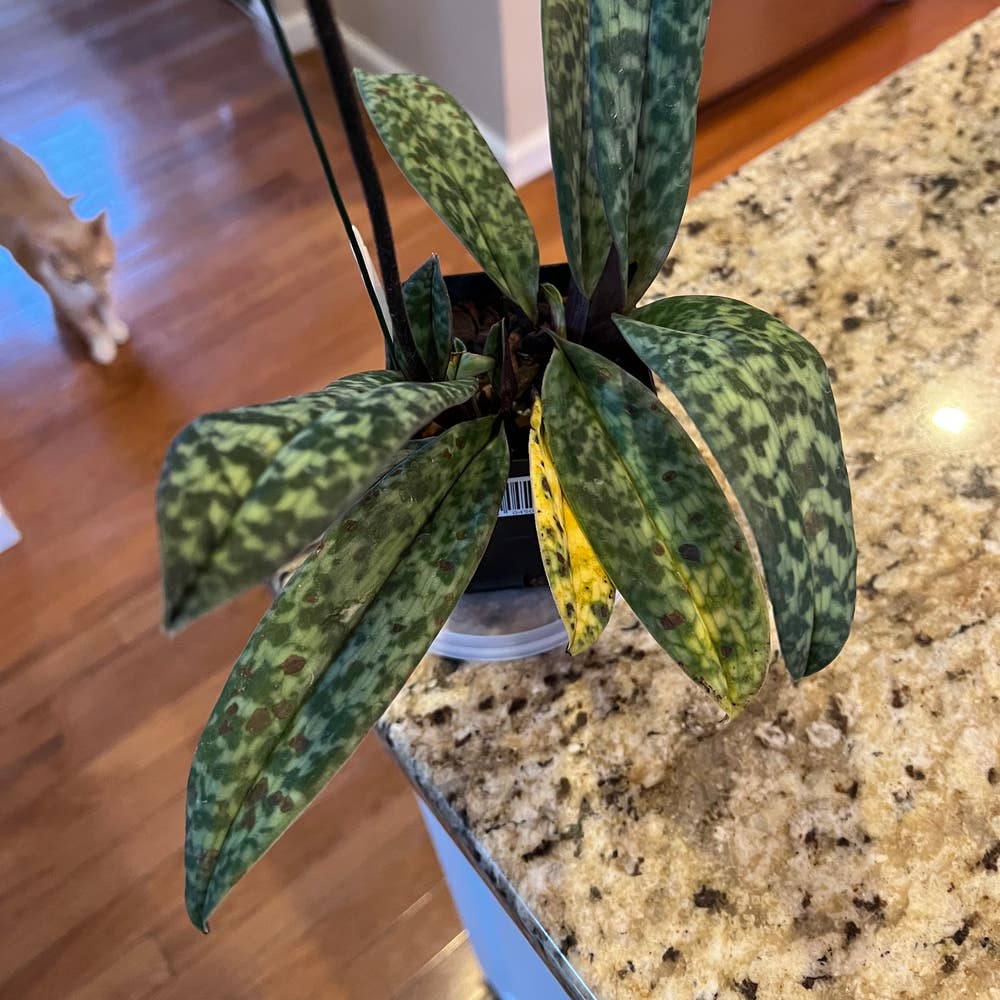
Yellowing leaves with dark-green veins often scream "nutrient imbalance." If you spot brown tips or edges, your Paphiopedilum spicerianum is likely shouting for help due to over-fertilization. A crusty soil surface is like a red flag waving, indicating a buildup of fertilizer salts.
🚑 First Aid for Fertilizer Fiascos: Immediate Steps to Take
Caught your plant in a nutrient chokehold? Stop fertilizing immediately. Remove any visible fertilizer from the soil surface—think of it as decluttering your plant's living space. Then, initiate the flush: drench the soil with water to wash away excess fertilizer. This isn't a one-and-done deal; repeat every few days, watching for signs of recovery. Prune damaged foliage to help your plant focus on regenerating healthy leaves.
💪 Recovery Plan: Getting Your Paphiopedilum spicerianum Back on Track
Patience is key in the recovery phase. Hold off on further fertilization until your orchid has fully bounced back, which could take several weeks. Consider repotting with fresh, nutrient-free soil to give your plant a clean slate. Moving forward, always test the soil before adding more nutrients and stick to liquid fertilizers that can be diluted for better control. Remember, more isn't always better; less is often more when it comes to feeding your Paphiopedilum spicerianum.
⚠️ Safety First
This content is for general information and may contain errors, omissions, or outdated details. It is not medical, veterinary advice, or an endorsement of therapeutic claims.
Always consult a qualified healthcare professional before using any plant as food, medicine, or supplement.
Never eat any plant (or feed one to pets) without confirming its identity with at least two trusted sources.
If you suspect poisoning, call Poison Control (800) 222-1222, the Pet Poison Helpline (800) 213-6680, or your local emergency service immediately.
Spotted an error? Please report it here.
Ensure your Paphiopedilum spicerianum gets just the right nutrient mix 🌱 with Greg's season-specific reminders to fertilize and flush, preventing overfeeding and promoting vibrant growth.