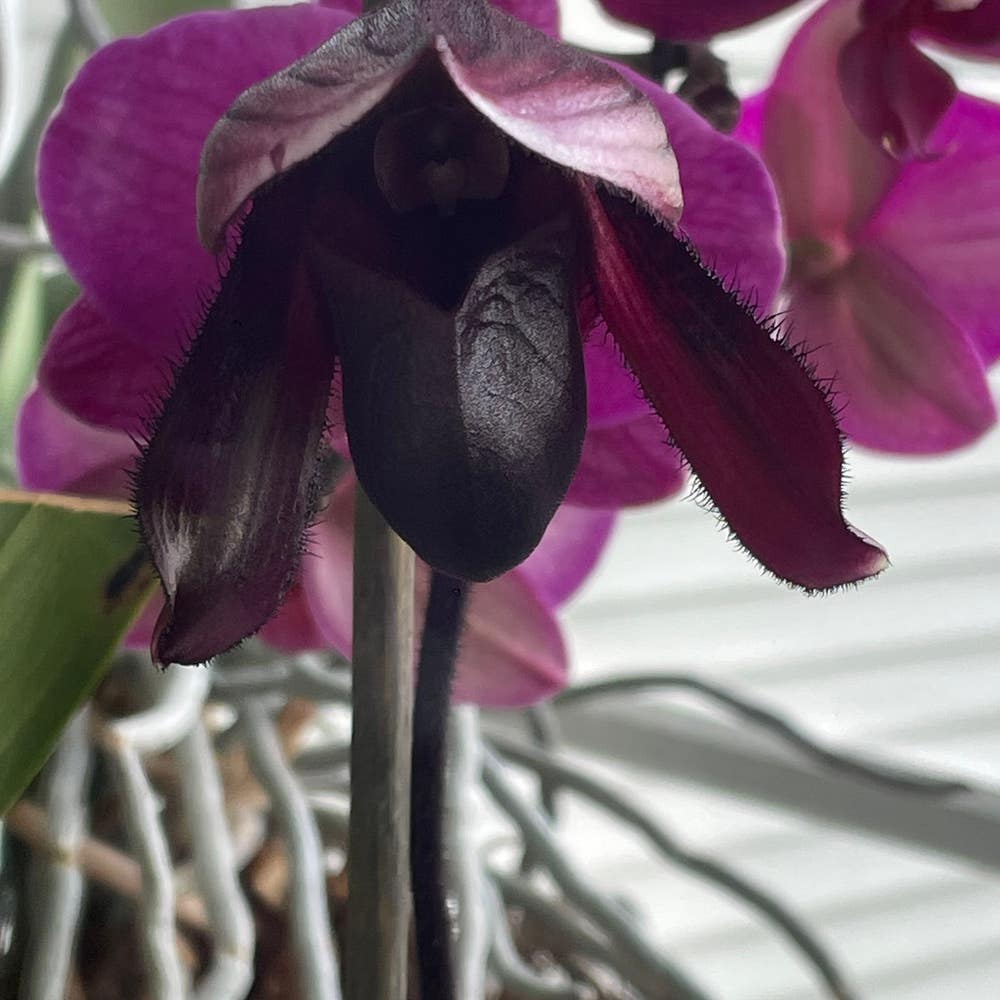
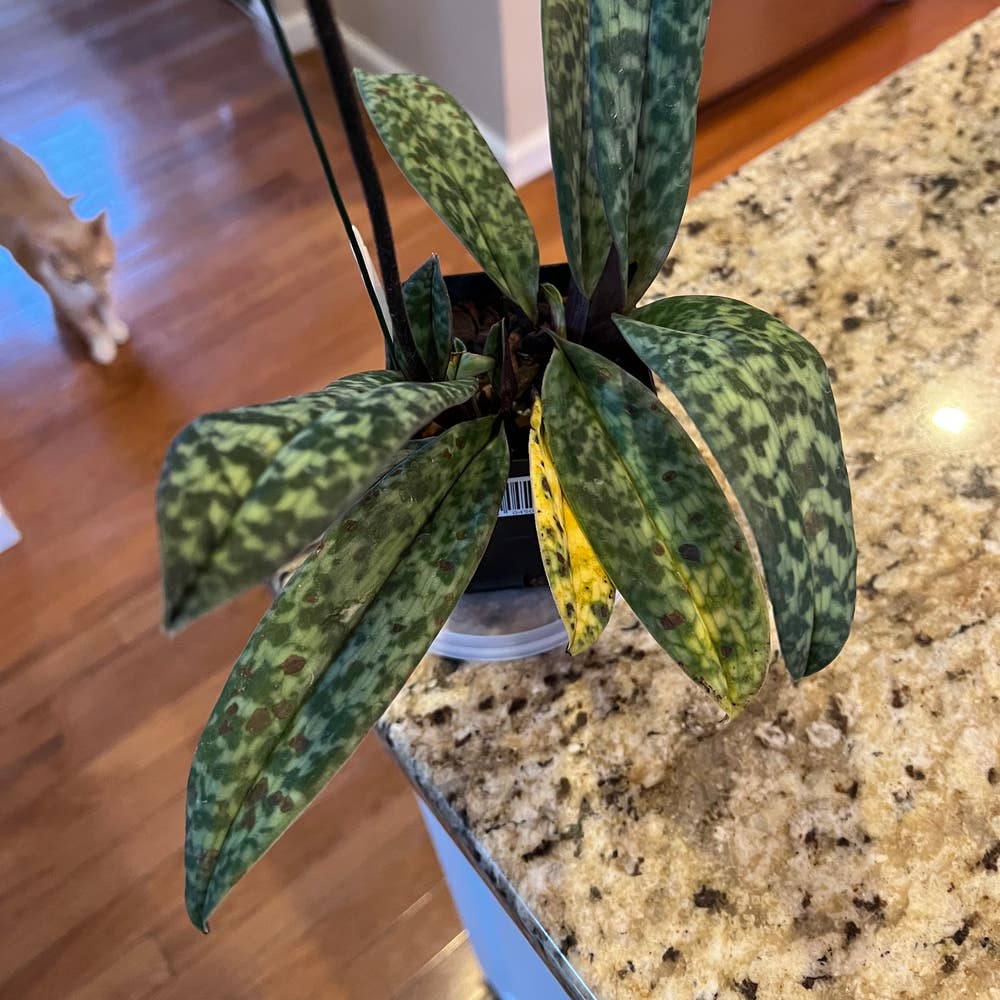
Why Are My Paphiopedilum spicerianum Leaves Droopy?
Paphiopedilum spicerianum
By the Greg Editorial Team
Apr 06, 2024•3 min read
This article was created with the help of AI so we can cover more plants for you. May contain errors. See one? Report it here.
- Overwatering leads to droopy leaves; ensure soil dries before rewatering.
- Insufficient light causes droopiness; adjust exposure or use artificial lighting.
- Stable temperatures are key to preventing temperature-related leaf stress.
Pinpointing the Culprits Behind Droopy Leaves
💧 Overwatering and Its Consequences
Overwatering is like giving your plants an unwanted bath. Leaves turn yellow and lose their perkiness. If the soil feels like a wet sponge, it's time to cut back on the water. Root rot could be the grim reaper at your plant's door if the soil stays soggy.
💡 The Lowdown on Light
Light is the secret sauce for stiff, upright leaves. If your Paphiopedilum spicerianum is looking more like a weeping willow, it might be craving more light. Watch for leaves that seem to reach for the light, a telltale sign of light starvation.
🌡️ Temperature Swings and Plant Stress
Like a moody teenager, orchids hate sudden temperature changes. Droopy leaves can signal your plant is throwing a temperature tantrum. Look for leaves that seem less than chipper after a cold draft or a heatwave – it's a sign of temperature stress.
Immediate Relief for Droopy Leaves
🚰 Tweaking Your Watering Technique
Overwatering is like a bad habit that's hard to break, but your orchid will thank you for it. First, let the soil dry out before you water again. Check the top inch; if it's dry, it's time to quench your plant's thirst. Use room-temperature water to avoid shocking the roots.
Drainage is your plant's lifeline. Make sure your pot isn't hosting a root-drowning pool party. If it is, consider repotting with a fast-draining mix or adding more holes to the pot.
💡 Let There Be (The Right Amount of) Light
Adjusting light exposure is like finding the perfect pair of sunglasses for your orchid. Too much direct sunlight and your plant's leaves can get sunburnt. Move it to a spot with bright, indirect light.
If the sun is playing hide and seek, artificial lighting might be the way to go. A full spectrum grow light can give your orchid the boost it needs without the risk of sunburn.
🌡️ Stabilizing the Temperature
Creating a consistent temperature environment is like avoiding those awkward weather conversations. Orchids dislike surprises. Aim for warm days and cooler nights, and keep those fluctuations to a minimum.
Protect your orchid from sudden temperature changes by keeping it away from drafts and adjusting your home's climate control. Think of it as creating a little microclimate utopia for your green friend.
Long-Term Strategies to Keep Leaves Perky
💧 Nailing the Watering Routine
Consistency is key when it comes to watering your Paphiopedilum spicerianum. Establish a schedule that aligns with the unique needs of your orchid, taking into account seasonal variations in humidity and temperature.
- Check soil moisture regularly, using tools like moisture meters to avoid guesswork.
- Adjust your watering frequency based on the plant's response and the current indoor conditions.
🌞 Ensuring Optimal Light and Temperature Year-Round
Your orchid's leaves will tell you if they're getting the right amount of light. Rotate the pot to ensure even exposure and prevent leaning.
- Adapt light conditions with the changing seasons; consider using artificial lights if necessary.
- Maintain a consistent temperature to avoid stress, steering clear of drafts and direct, scorching sunlight.
Airflow is the unsung hero. A gentle fan can promote good circulation, but don't create a wind tunnel. Aim for a gentle breeze to keep your orchid happy.
⚠️ Safety First
This content is for general information and may contain errors, omissions, or outdated details. It is not medical, veterinary advice, or an endorsement of therapeutic claims.
Always consult a qualified healthcare professional before using any plant as food, medicine, or supplement.
Never eat any plant (or feed one to pets) without confirming its identity with at least two trusted sources.
If you suspect poisoning, call Poison Control (800) 222-1222, the Pet Poison Helpline (800) 213-6680, or your local emergency service immediately.
Spotted an error? Please report it here.
Revitalize your droopy Paphiopedilum spicerianum 🌿 by letting Greg remind you when to water and adjust for light and temperature, for a flourishing orchid display.