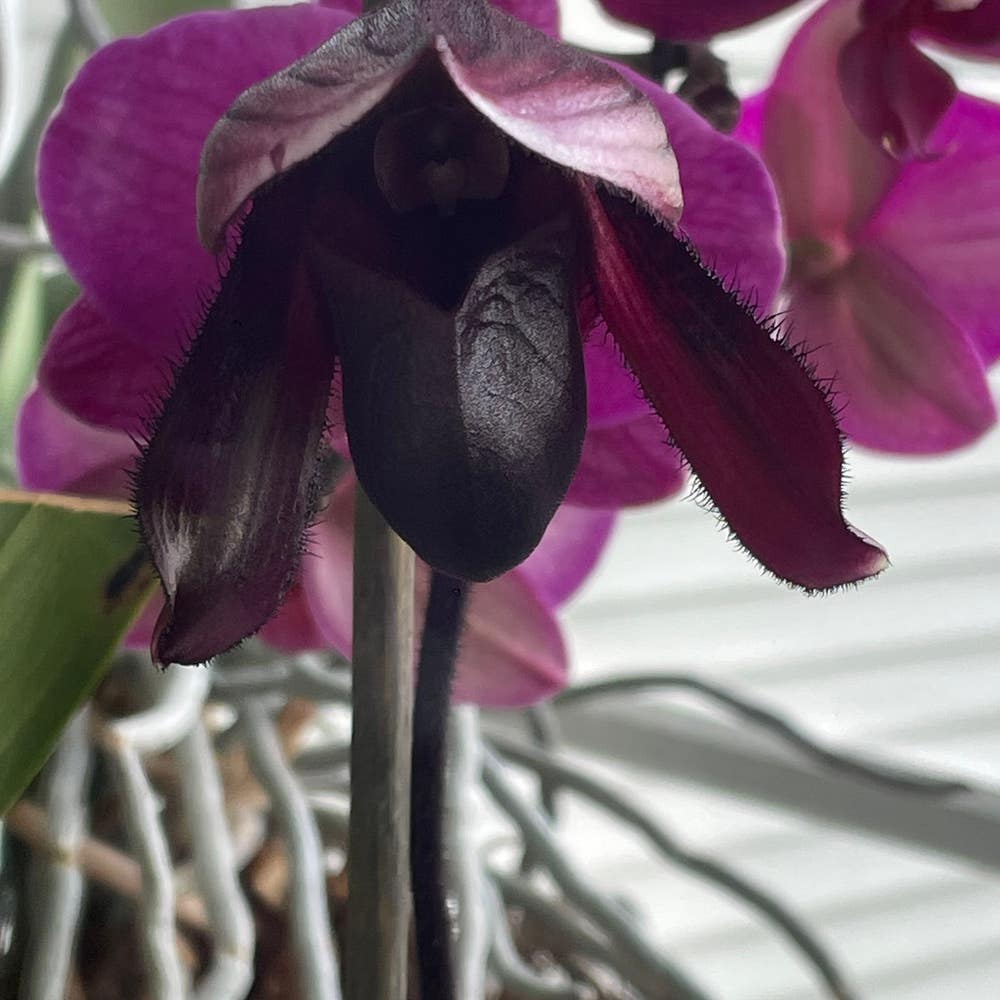
When and Where Should I Trim My Paphiopedilum spicerianum?
Paphiopedilum spicerianum
By the Greg Editorial Team
Apr 06, 2024•3 min read
This article was created with the help of AI so we can cover more plants for you. May contain errors. See one? Report it here.
- Prune in spring post-bloom for health and aesthetics, avoiding winter.
- Use sanitized, sharp tools for clean cuts above nodes or intersections.
- Monitor and adjust care post-pruning for steady recovery and vigor.
Timing Your Trims: When to Prune for Perfection
🌿 Spotting the Signs: Knowing When It's Time
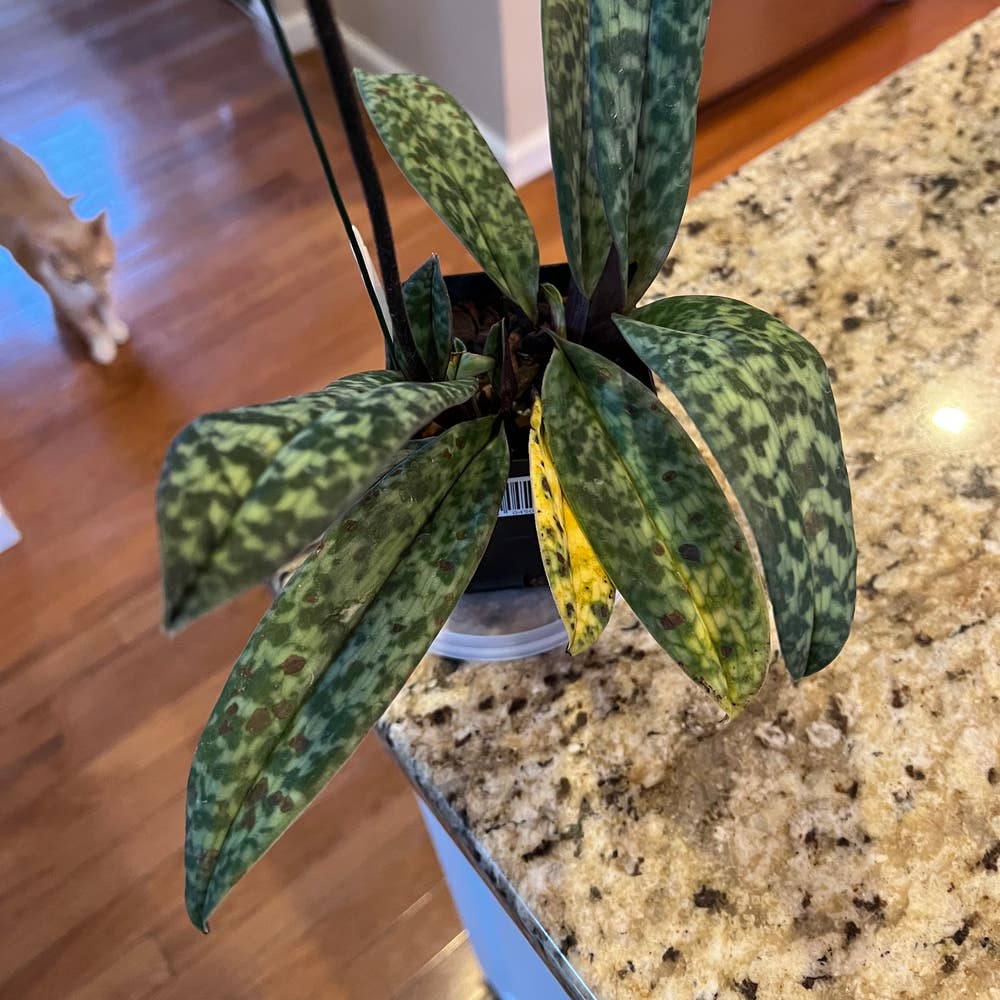
Old or damaged growths are your cue to grab the shears. If your Paphiopedilum spicerianum has leaves that resemble a worn-out flag, it's time to act. The blooming cycle is like the plant's personal calendar; once the flowers have taken their final bow, it's your signal to prune.
📅 Seasonal Smarts: Best Times of Year to Prune
Spring is the Paphiopedilum's version of a fresh start. It's the ideal season for pruning, setting the stage for vigorous growth. Summer can work too, but it's like cutting it close—still good, but not prime time. Fall is a maybe, if you're feeling lucky, but it's less ideal. Winter, though? Forget about it. It's the plant's hibernation period, and pruning then is a no-no.
Targeted Trimming: Where to Make the Cut
🌸 Flower Spikes: After the Bloom
Timing is everything when it comes to pruning Paphiopedilum spicerianum. Once the flower spikes have lost their luster, it's your cue to make the cut. This isn't just a cosmetic fix; it's about channeling the plant's energy back into leaf and root development.
🌿 Leaves and Growth: Keeping It Tidy
Pruning isn't solely a post-bloom affair. Vigilance is key in spotting leaves that have turned yellow or growths that seem out of place. These are energy drainers and need to go. Symmetry isn't just pleasing to the eye; it ensures even light distribution, promoting a balanced and healthy plant.
Pruning Like a Pro: Techniques and Tools
🌱 The Right Cut: Techniques for Healthy Pruning
Pruning your Paphiopedilum spicerianum isn't just about hacking away at foliage; it's a delicate dance with shears. Sanitize your tools first—think of it as hand-washing for garden gear. Spot the dead or damaged growth; these are your targets. When you make the cut, aim for just above a node or leaf intersection. Angle your shears at 45 degrees to give your plant a fighting chance to heal like a superhero. And remember, no stubs—those are just pest penthouses.
🛠️ Tool Time: Best Tools for the Job
Choosing the right tools is like picking a trusty sidekick—they've got to be sharp, reliable, and easy to handle. Go for sharp pruning shears or a knife; they're the bread and butter of plant surgery. Keep them clean as a whistle, disinfecting before and after with alcohol to ward off any plant plagues. And if your tools are more blunt than witty banter at a dinner party, sharpen them up. A well-maintained tool is like a good friend—always there when you need it, and less likely to let you down.
After the Snip: Ensuring a Speedy Recovery
🌱 Immediate Aftercare: What to Do Post-Pruning
Post-pruning, your Paphiopedilum spicerianum is vulnerable. Monitor for signs of stress like discoloration or wilting. If you spot these, it's time to reassess your care routine. Adjust watering and lighting to meet your plant's current needs. It's like being a plant detective, always on the lookout for clues of discomfort.
🌿 Long-Term Love: Keeping Your Paphiopedilum Happy
Consistent care is the secret to post-pruning success. Ensure the soil is just the right kind of moist, and keep your Paphiopedilum in bright, indirect light. New growth is your reward for vigilance, but if setbacks occur, don't despair. It's all part of the journey. Remember, recovery is not a sprint; it's a marathon with your plant.
⚠️ Safety First
This content is for general information and may contain errors, omissions, or outdated details. It is not medical, veterinary advice, or an endorsement of therapeutic claims.
Always consult a qualified healthcare professional before using any plant as food, medicine, or supplement.
Never eat any plant (or feed one to pets) without confirming its identity with at least two trusted sources.
If you suspect poisoning, call Poison Control (800) 222-1222, the Pet Poison Helpline (800) 213-6680, or your local emergency service immediately.
Spotted an error? Please report it here.
Ensure your Paphiopedilum spicerianum thrives 🌿 with Greg's tailored reminders for optimal pruning times and personalized care, guiding you through each step of the recovery process.