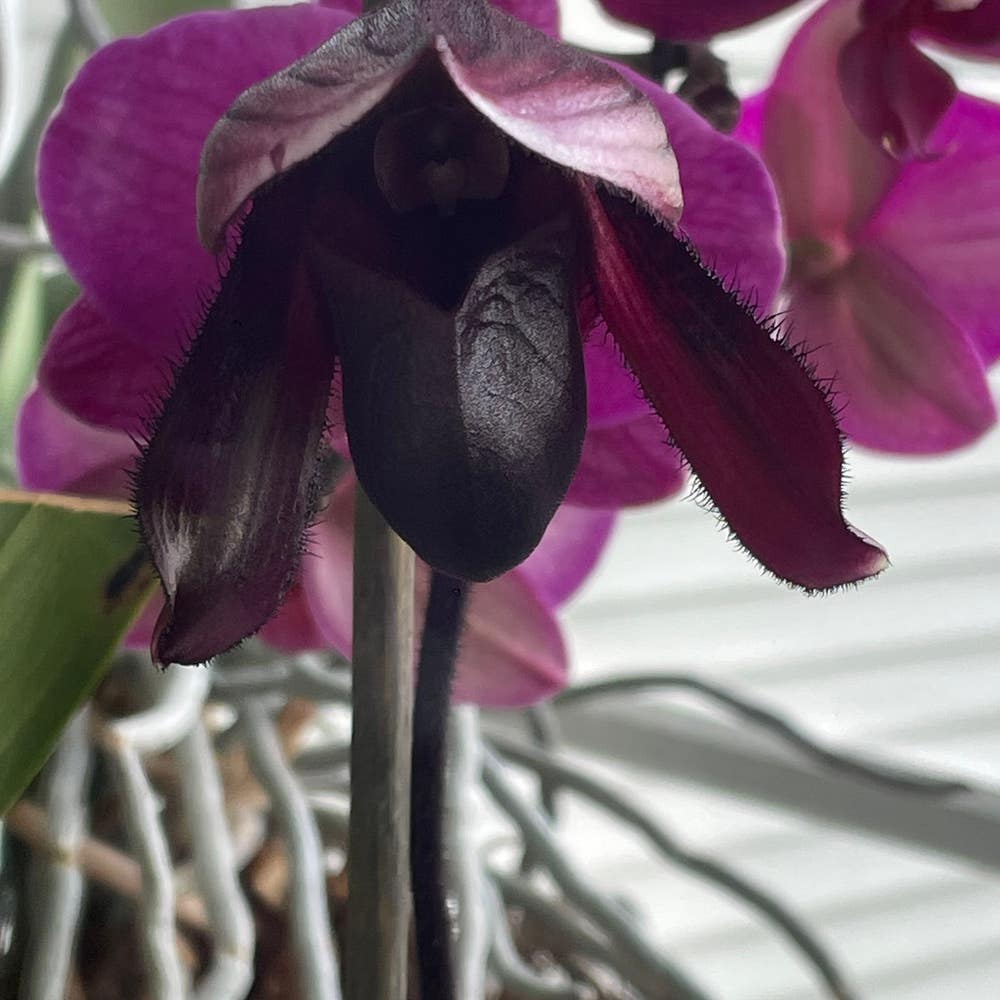
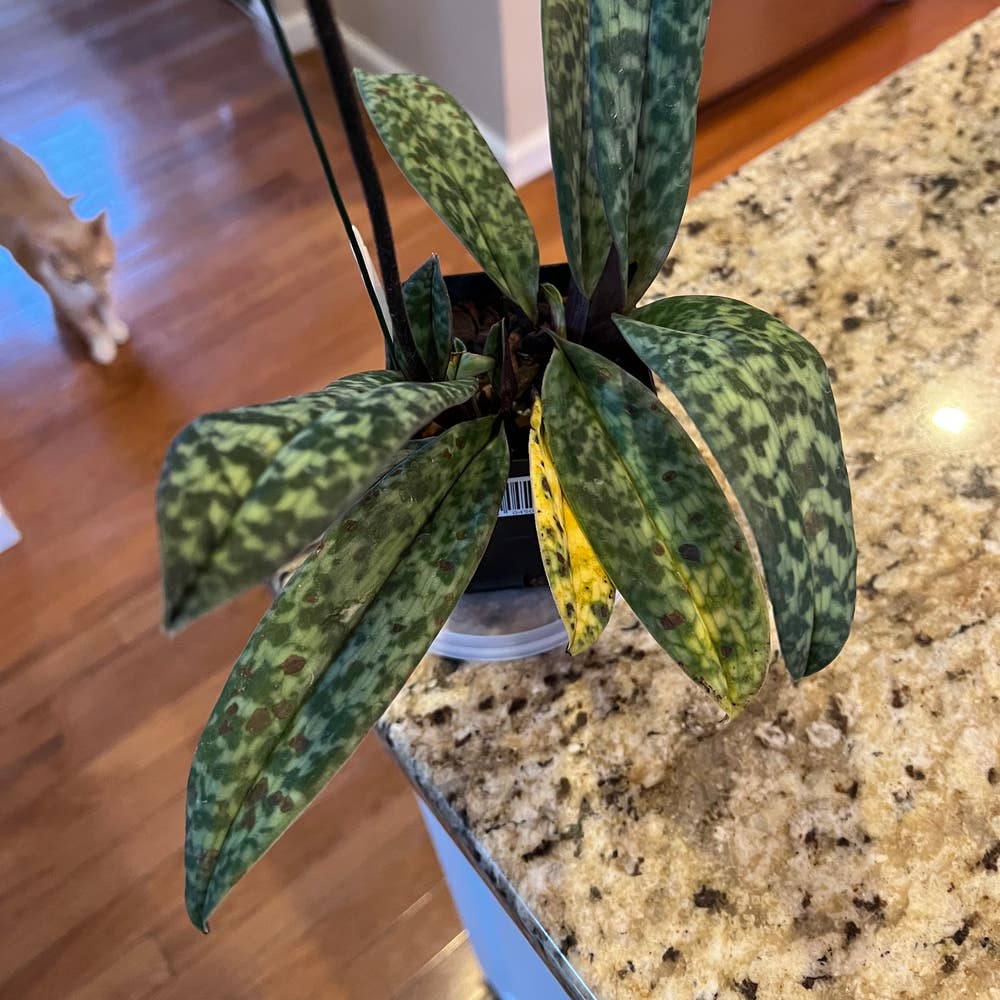
7 Ways to Boost Your Indoor Paphiopedilum 🌸
Paphiopedilum spicerianum
By the Greg Editorial Team
Oct 02, 2024•4 min read
This article was created with the help of AI so we can cover more plants for you. May contain errors. See one? Report it here.
- 💡 Paphiopedilum thrives in bright, indirect light; use grow lights if needed.
- 💧 Water every 7-10 days, ensuring topsoil dries out to prevent root rot.
- 🌿 Maintain humidity levels between 50-70% for optimal orchid health and growth.
Light Requirements
Optimal Indoor Light Levels 🌞
For your Paphiopedilum to thrive, it needs bright, indirect light, ideally between 1000-2000 foot-candles. Direct sunlight can scorch the leaves, so it's crucial to find that sweet spot where your orchid can bask without burning.
Role of Grow Lights 💡
In indoor settings, grow lights become essential, especially when natural light is scarce. They not only supplement the light your orchid receives but also help maintain consistent growth throughout the year.
Choosing the Best Grow Light 🛍️
When selecting grow lights, you have two main options: LED and fluorescent. LEDs are energy-efficient and long-lasting, while fluorescents are often more affordable upfront.
Recommended Spectrum
Opt for full-spectrum lights that closely mimic natural sunlight. This ensures your orchid gets the balanced light it needs for healthy growth.
Placement Tips
Position your grow lights about 12-18 inches above your plant. This distance helps distribute light evenly without overwhelming your Paphiopedilum.
With the right light conditions established, your orchid will be well on its way to flourishing. Next, let’s dive into its watering needs to keep it hydrated and healthy.
Watering Needs
Frequency and Method of Watering 🌊
To keep your Paphiopedilum thriving, water it every 7-10 days. Make sure to let the top inch of soil dry out between waterings to prevent root issues.
Water thoroughly until it drains from the bottom. This ensures that the roots receive adequate moisture without sitting in water, which can lead to rot.
Signs of Overwatering and Underwatering 🚨
Watch for signs of overwatering, such as yellowing leaves and root rot. These symptoms indicate that your plant is drowning and needs immediate attention.
On the flip side, underwatering can cause wrinkled leaves and a dry potting medium. If you notice these signs, it’s time to adjust your watering routine.
Understanding these watering needs is crucial for the health of your indoor orchid. With the right care, your Paphiopedilum will flourish and bring beauty to your space.
Next, let’s explore the ideal humidity and temperature conditions for your indoor spicer!
Humidity and Temperature
Ideal Humidity Levels 🌧️
For your Paphiopedilum to thrive, aim for humidity levels between 50-70%. This range mimics their natural habitat and promotes healthy growth.
To boost humidity, consider using humidifiers, pebble trays filled with water, or simply grouping your plants together. These methods create a microenvironment that retains moisture, benefiting your orchids.
Temperature Requirements for Indoor Growth 🌡️
The ideal temperature for indoor growth is between 20°C to 25°C (68°F to 77°F) during the day. At night, a slightly cooler environment helps mimic natural conditions.
Avoid temperature fluctuations and drafts, as these can stress your plants. Consistency is key to keeping your Paphiopedilum healthy and vibrant.
With the right humidity and temperature, your orchids will flourish, setting the stage for the next essential care aspect: soil and fertilization.
Soil and Fertilization
Best Soil Type 🌱
For your Paphiopedilum, a well-draining orchid mix is essential. This mix typically includes bark, perlite, and sphagnum moss, providing the right balance of moisture retention and aeration.
Aeration is crucial for root health. It allows roots to breathe and prevents water from pooling, which can lead to root rot.
Fertilization Schedule and Techniques 🧪
When it comes to fertilization, balanced orchid fertilizers like 30-10-10 or 20-20-20 are recommended. These formulas provide the necessary nutrients for vibrant growth.
Fertilize every 2-4 weeks during the growing season. Remember to dilute the fertilizer to half strength and apply it after watering to avoid burning the roots.
With the right soil and fertilization techniques, your Paphiopedilum will thrive. Next, let’s explore how to maintain optimal humidity and temperature for your indoor orchid.
Common Issues and Maintenance
🐛 Pest Prevention Strategies
Indoor orchids, like your Paphiopedilum, can attract pests such as aphids, mealybugs, and spider mites. Regular inspections are crucial; check the undersides of leaves and around the roots for any signs of these unwelcome guests.
Maintaining cleanliness is another key strategy. Wipe down leaves and pots to remove dust and debris, which can harbor pests. If you do spot an infestation, using insecticidal soap can effectively eliminate these pests without harming your plant.
🩺 Troubleshooting Tips for Health Issues
If you notice yellow leaves or stunted growth, it’s time to investigate. These symptoms often indicate issues with light, water, or humidity levels.
Adjusting these factors can help restore your orchid's health. For instance, if the leaves are yellowing, consider whether your plant is getting enough light or if you might be overwatering.
🍂 Seasonal Care Adjustments
As the seasons change, so should your care routine. During winter, you may need to modify your watering and humidity levels to accommodate the drier air and reduced light.
Keep an eye on light exposure as days shorten. Your Paphiopedilum may need a little extra help from grow lights to thrive during these months.
By staying proactive and attentive, you can ensure your indoor orchid remains vibrant and healthy year-round.
⚠️ Safety First
This content is for general information and may contain errors, omissions, or outdated details. It is not medical, veterinary advice, or an endorsement of therapeutic claims.
Always consult a qualified healthcare professional before using any plant as food, medicine, or supplement.
Never eat any plant (or feed one to pets) without confirming its identity with at least two trusted sources.
If you suspect poisoning, call Poison Control (800) 222-1222, the Pet Poison Helpline (800) 213-6680, or your local emergency service immediately.
Spotted an error? Please report it here.
Elevate your Paphiopedilum's growth with expert care tips 🌸 and let Greg provide personalized reminders to keep your orchid thriving beautifully all year round!