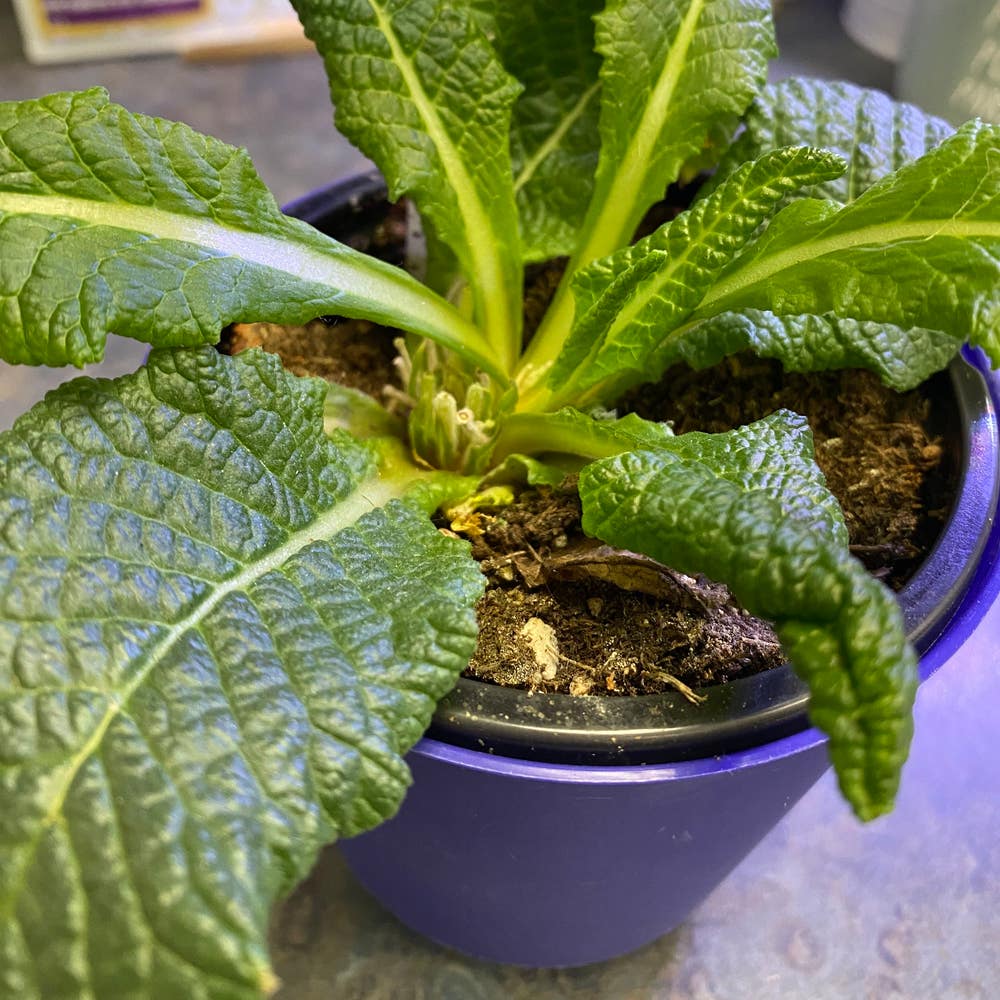
Best Spot to Plant Your Primula obconica 🌸
Primula obconica
By the Greg Editorial Team
Jan 07, 2025•4 min read
This article was created with the help of AI so we can cover more plants for you. May contain errors. See one? Report it here.
Cultivate stunning Primula obconica blooms 🌸 by mastering their light, soil, and companion planting needs for a thriving garden! 🌱
- 🌤️ Primula obconica thrives in partial shade, needing 4-6 hours of indirect sunlight daily.
- 🌱 Well-draining, slightly acidic soil is essential for healthy growth and moisture retention.
- 🌬️ Wind protection is crucial; use taller plants or structures to shield your Primula.
Sunlight Exposure Requirements
Optimal Light Conditions 🌤️
Primula obconica thrives in partial shade to full shade. Aim for about 4-6 hours of indirect sunlight each day to keep these vibrant plants happy.
Direct afternoon sun can be harsh, leading to leaf scorch. Protect your primulas by positioning them where they receive gentle morning light instead.
By understanding their light needs, you can ensure your primula blooms beautifully throughout the season. Happy planting!
Soil and Drainage Needs
Ideal Soil Type 🌱
Primula obconica thrives in well-draining, rich soil that leans slightly acidic, ideally with a pH between 6.0 and 6.8. To boost soil quality, mix in compost or peat moss, which not only enriches the soil but also enhances moisture retention.
Drainage Requirements and Solutions 🚰
Proper drainage is crucial to prevent root rot and support healthy growth. Consider using raised beds or mounds to improve drainage, and incorporate materials like perlite or sand to aerate the soil effectively.
Practical Tips for Soil Preparation 🛠️
- Test Your Soil: Before planting, use a soil testing kit to check pH and nutrient levels. This ensures your Primula obconica has the best possible start.
- Regular Maintenance: Amend the soil annually with compost to maintain its richness and acidity.
Conclusion
By ensuring your soil is both nutrient-rich and well-draining, you set the stage for vibrant Primula obconica blooms. Next, let’s explore how to position these plants for optimal growth by considering their proximity to other plants and structures.
Proximity to Other Plants and Structures
🌱 Companion Planting Considerations
When planting your Primula obconica, consider its companions. Ferns, hostas, and astilbes thrive alongside these charming flowers, creating a lush, vibrant garden.
This combination not only enhances biodiversity but also improves pest resistance. By planting these species together, you create a balanced ecosystem that benefits all plants involved.
🏢 Impact of Nearby Structures
Nearby structures can significantly influence your Primula's growth. Fences, walls, or buildings may block essential sunlight or alter wind patterns, impacting your plant's health.
It's crucial to assess the distance from these structures. Ensure there's enough space for air circulation and light penetration, allowing your Primula to flourish in its ideal environment.
By carefully considering both companion plants and the impact of nearby structures, you can create a thriving garden that supports your Primula obconica's growth. Next, let’s explore how to assess the best spot for your plants by evaluating sunlight and shade patterns.
Assessing the Best Spot
🌞 Evaluating Sunlight and Shade Patterns
To find the perfect spot for your Primula obconica, start by observing the area at different times of the day. This will help you understand how sunlight and shade shift, ensuring your plants receive the optimal light they need.
Using a light meter can provide precise measurements of light intensity. This tool helps you determine whether the area meets the 4-6 hours of indirect sunlight requirement for healthy growth.
🛠️ Tools and Techniques for Site Selection
In today's tech-savvy world, sunlight tracking apps can simplify your site selection process. These apps allow you to monitor light exposure throughout the day, making it easier to choose the best location.
Additionally, soil testing kits are invaluable for evaluating pH and nutrient levels. A slightly acidic soil (pH 6.0 to 6.8) is ideal for Primula obconica, so testing your soil ensures you create the best environment for your plants.
By combining these observations and tools, you can confidently assess the best spot for your Primula obconica. This thoughtful approach not only enhances plant health but also contributes to a thriving garden ecosystem.
Wind Protection and Environmental Factors
🌬️ Importance of Wind Protection
Wind can be a silent enemy in your garden, drying out soil and damaging the delicate foliage of your Primula obconica. It's crucial to identify areas in your garden that are prone to wind exposure, especially those lacking natural barriers like trees or shrubs.
🛡️ Creating a Sheltered Environment
To protect your plants, consider planting windbreaks. Taller plants or shrubs can act as natural shields, reducing wind impact and creating a more stable environment for your Primula.
Additionally, installing garden structures such as fences or trellises can provide extra protection. These barriers not only help shield your plants from harsh winds but also enhance the overall aesthetics of your garden space.
By taking these steps, you can create a sheltered environment that promotes healthy growth and vibrant blooms. This attention to detail will ensure your Primula obconica thrives, setting the stage for a flourishing garden.
Next, let’s explore how to assess the best spot for your plants, focusing on sunlight and shade patterns.
⚠️ Safety First
This content is for general information and may contain errors, omissions, or outdated details. It is not medical, veterinary advice, or an endorsement of therapeutic claims.
Always consult a qualified healthcare professional before using any plant as food, medicine, or supplement.
Never eat any plant (or feed one to pets) without confirming its identity with at least two trusted sources.
If you suspect poisoning, call Poison Control (800) 222-1222, the Pet Poison Helpline (800) 213-6680, or your local emergency service immediately.
Spotted an error? Please report it here.
Find the perfect spot for your Primula obconica 🌼 with Greg's tailored tips and tools, ensuring your plants flourish in their ideal environment!