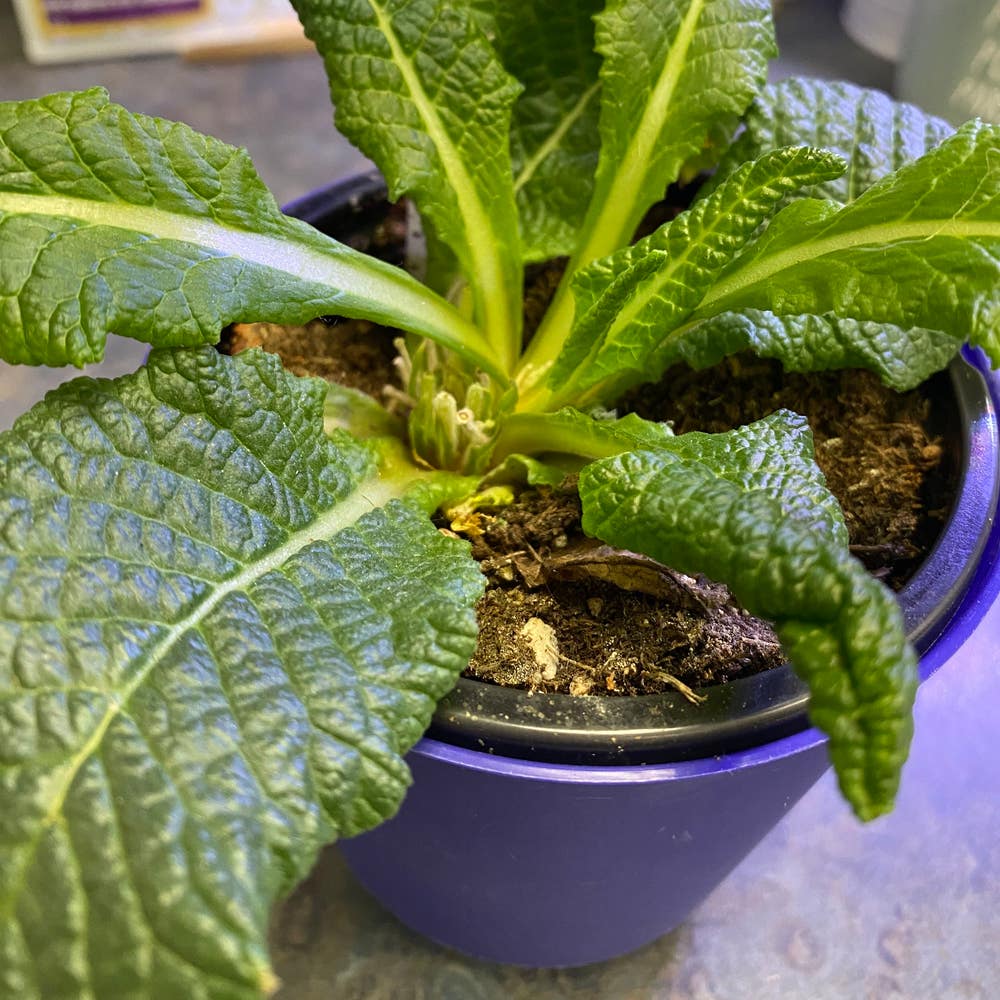
How to Cure Leaves Falling Over on Your Primula obconica 🌸
Primula obconica
By the Greg Editorial Team
Jan 07, 2025•7 min read
This article was created with the help of AI so we can cover more plants for you. May contain errors. See one? Report it here.
Transform your drooping Primula obconica back to life 🌱 with these essential care tips for vibrant, healthy leaves!
- 💧 Overwatering and underwatering cause drooping leaves; maintain a consistent watering schedule.
- ☀️ Bright, indirect sunlight is essential for healthy Primula obconica leaves.
- 🌡️ Temperature stability between 15°C to 20°C prevents stress and drooping in your plant.
Causes of Leaves Falling Over
💧 Overwatering and Its Effects
Overwatering is a common issue for Primula obconica, often leading to yellowing leaves and a mushy texture. If you notice your plant's roots becoming dark and slimy, it’s a sign of root rot, which can severely impact leaf health.
When the roots are compromised, leaves may droop and wilt, signaling distress. This condition can escalate quickly, so it's crucial to recognize these symptoms early.
🚰 Underwatering and Its Effects
On the flip side, underwatering can also cause leaves to fall over. Look for dry, crispy edges on the leaves and overall wilting, which are clear indicators of insufficient water.
To assess soil moisture, stick your finger into the soil; if it feels dry several inches down, your plant is thirsty. Prolonged underwatering can lead to drooping leaves, as the plant struggles to maintain its structure.
☀️ Light Conditions and Leaf Health
Primula obconica thrives in indirect sunlight and shaded areas. If the leaves start curling or drooping, it may be a sign that your plant isn’t getting enough light.
Conversely, too much direct sunlight can scorch the leaves, leading to drooping as well. Finding the right balance of light is essential for maintaining healthy foliage.
🌡️ Temperature Fluctuations and Stress
Temperature plays a significant role in the health of your Primula obconica. The optimal range is between 15°C to 20°C (59°F to 68°F), and anything outside this can stress the plant.
Symptoms of temperature stress include drooping and wilting leaves. Sudden changes in temperature, especially during seasonal shifts, can disrupt the plant's stability and lead to further issues.
🐜 Pest Infestations and Their Impact
Pests like aphids and spider mites can wreak havoc on your Primula obconica. Look for small insects on the leaves or webbing, which are signs of infestation.
These pests damage the leaf structure, leading to drooping leaves and overall decline in plant vitality. Regular inspections are key to catching these issues early and preventing further damage.
Diagnosing the Problem
🌊 Identifying Symptoms of Overwatering
Overwatering can be a silent killer for your Primula obconica. Look for visual signs like yellowing leaves and a mushy texture, which indicate that your plant is drowning.
Check the soil condition too. If it feels soggy and heavy, it's a clear sign that you're giving your plant too much water.
💧 Identifying Symptoms of Underwatering
On the flip side, underwatering can also lead to drooping leaves. Key indicators include dry, crispy leaf edges and an overall wilting appearance.
Assess the soil dryness. If it feels parched and crumbly, your plant is likely in need of a drink.
💡 Assessing Light Exposure
Light conditions play a crucial role in leaf health. Evaluate the light your Primula obconica receives by measuring light intensity and duration throughout the day.
If your plant is struggling, consider adjusting its placement. Moving it to a location with better light access can make a world of difference.
🐛 Checking for Pests and Diseases
Pest infestations can wreak havoc on your plant's vitality. Use visual checks to inspect leaves and stems for common pests like aphids and spider mites.
Additionally, be on the lookout for signs of disease, such as fungal infections. Early detection is key to preventing further damage and keeping your Primula thriving.
With these diagnostic steps, you can pinpoint the issues affecting your plant and take action to restore its health. Next, let’s explore effective solutions and treatments to revive your Primula obconica.
Solutions and Treatments
🌊 Adjusting Watering Practices
To keep your Primula obconica thriving, establishing a proper watering schedule is crucial. Aim to water when the top inch of soil feels dry, ensuring you provide enough moisture without saturating the roots.
Check soil moisture levels by inserting your finger into the soil. If it feels soggy, hold off on watering; if it's dry, it's time to hydrate your plant.
☀️ Improving Light Conditions
Optimizing light exposure can significantly enhance your plant's health. Relocate your Primula to a spot that receives bright, indirect sunlight, as this is its preferred lighting condition.
If direct sunlight is unavoidable, consider using sheer curtains to diffuse the harsh rays. This helps prevent leaf scorch while still providing adequate light.
🐛 Pest Control Methods
Pest infestations can wreak havoc on your Primula's leaves. For effective control, consider using organic options like neem oil or insecticidal soap, which are both safe and effective.
Regular monitoring is key to preventing pest issues. Keep an eye out for any signs of infestation and take immediate action to protect your plant's vitality.
🌱 Soil Amendments for Better Drainage
Using the right soil type is essential for your Primula's health. A well-draining soil mix helps prevent waterlogging, which can lead to root rot.
If your current soil isn't draining well, amend it by mixing in perlite or sand. This will improve aeration and drainage, promoting healthier root growth.
🌡️ Temperature Management Techniques
Maintaining the right temperature is vital for your plant's stability. Keep your Primula in an environment where temperatures range from 15°C to 20°C (59°F to 68°F) to avoid stress.
Avoid placing your plant near drafts or heat sources, as these can cause fluctuations that lead to drooping leaves. Using humidity trays can also help stabilize conditions, ensuring your Primula remains comfortable.
With these solutions in place, your Primula obconica will be on the path to recovery. Next, let’s explore preventive measures to keep your plant healthy and thriving.
Preventive Measures
Best Practices for Watering 🌊
Effective watering is crucial for keeping your Primula obconica healthy. Look for signs like the soil pulling away from the pot edges or a dry top layer to determine when to water.
Using moisture meters can take the guesswork out of watering. These handy tools help you gauge soil moisture levels accurately, ensuring your plant gets just the right amount of hydration.
Ideal Light Conditions for Healthy Growth ☀️
Creating the right light environment is essential for your plant's vitality. Primula obconica thrives in indirect sunlight, so consider placing it near a window with filtered light.
Seasonal adjustments are also important. In winter, your plant may need more light, while in summer, you might need to move it to a shadier spot to prevent leaf scorch.
Regular Pest Inspections 🐞
Regular pest inspections can save your plant from significant damage. Check your Primula obconica every couple of weeks for common pests like aphids or spider mites.
Keep a pest journal to track any issues you encounter. This can help you identify patterns and take proactive measures before infestations escalate.
Seasonal Care Tips to Prevent Leaf Droop 🍂
Adjusting your care routine with the changing seasons is key to preventing leaf droop. In winter, reduce watering frequency as the plant's growth slows down.
During the summer, be mindful of heat management. Consider using humidity trays or misting your plant to keep it comfortable in warmer temperatures.
By following these preventive measures, you can maintain the health and beauty of your Primula obconica, ensuring it thrives year-round. Next, let’s explore effective recovery techniques for when your plant shows signs of distress.
Recovery Techniques
Steps to Revive Drooping Plant 🌱
Reviving a drooping Primula obconica starts with immediate adjustments. First, assess your watering habits; ensure the plant is neither overwatered nor underwatered.
Next, check the light conditions. If your plant is in direct sunlight, consider moving it to a spot with indirect light to prevent further stress.
Monitoring Recovery Progress 👀
As you implement these changes, keep an eye out for signs of improvement. Look for new growth, which indicates your plant is responding positively.
Also, monitor the texture of the leaves. Healthier leaves will feel firmer and more vibrant compared to their droopy counterparts.
When to Repot or Change Soil 🪴
Sometimes, drooping can signal that your plant needs a new home. If you notice roots growing out of the drainage holes or the soil feels compacted, it might be time to repot.
Evaluate the root health by gently removing the plant from its pot. If the roots appear brown or mushy, a soil change is essential for optimal recovery and growth.
⚠️ Safety First
This content is for general information and may contain errors, omissions, or outdated details. It is not medical, veterinary advice, or an endorsement of therapeutic claims.
Always consult a qualified healthcare professional before using any plant as food, medicine, or supplement.
Never eat any plant (or feed one to pets) without confirming its identity with at least two trusted sources.
If you suspect poisoning, call Poison Control (800) 222-1222, the Pet Poison Helpline (800) 213-6680, or your local emergency service immediately.
Spotted an error? Please report it here.
Keep your Primula obconica thriving 🌱 by using Greg's tailored watering schedules and light tips to prevent droopy leaves and ensure vibrant growth!