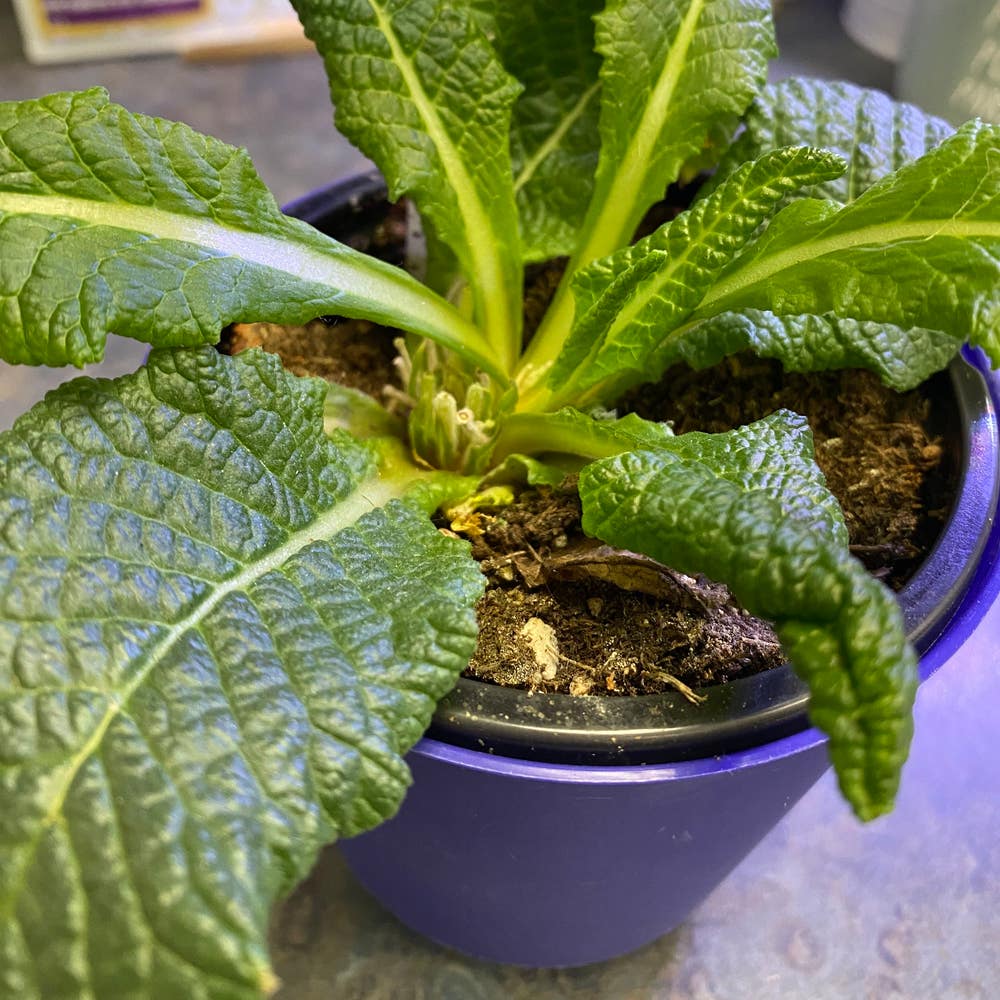
Ultimate Guide to Humidity for Primula obconica 💧
Primula obconica
By the Greg Editorial Team
Jan 07, 2025•5 min read
This article was created with the help of AI so we can cover more plants for you. May contain errors. See one? Report it here.
Boost your Primula obconica's growth 🌱 by mastering humidity control for vibrant blooms all year round!
- 🌬️ Primula obconica thrives at 50-70% humidity for optimal growth and health.
- 📏 Use hygrometers to assess local humidity and adjust care accordingly.
- 🌱 Regular humidity monitoring prevents stress like leaf curling and promotes flowering.
Optimal Humidity Levels
Humidity Requirements 🌧️
For Primula obconica to thrive, maintaining humidity levels between 50-70% is crucial. This range not only supports healthy growth but also enhances the plant's overall vitality.
Different cultivars of Primula obconica may have varying humidity needs. Some might prefer slightly higher humidity, while others can adapt to lower levels, so it's essential to know your specific variety.
Impact on Growth Cycle 🌼
Humidity significantly influences the blooming and overall health of your Primula obconica. Higher humidity levels encourage robust growth and vibrant flowers, making your plant more visually appealing.
Consistency in humidity is equally important. Fluctuations can lead to stress-related issues, impacting the plant's health and flowering potential. Keeping conditions stable helps your Primula obconica flourish throughout its growth cycle.
Local Humidity Considerations
Assessing Local Conditions 🌧️
Understanding your local humidity is crucial for the health of your Primula obconica. Use hygrometers to measure humidity levels accurately and familiarize yourself with local climate patterns to tailor your care effectively.
Adapting your humidity strategies based on seasonal changes can make a significant difference. For instance, during the dry winter months, you may need to increase humidity levels, while summer may require different adjustments.
Seasonal Variations 🌦️
Seasonal changes can dramatically affect indoor humidity levels. Winter heating often leads to drier air, while summer cooling can introduce excess moisture, impacting your plant's health.
To maintain optimal humidity year-round, monitor your plants regularly. Adjust your care practices as needed, ensuring your Primula obconica thrives regardless of the season.
Strategies for Boosting Humidity
🌬️ Humidifiers
When it comes to maintaining optimal humidity for your Primula obconica, humidifiers are a game changer. You can choose between cool mist and warm mist options, each offering unique benefits for your plants.
Cool mist humidifiers are great for adding moisture without raising the temperature, while warm mist models can help create a cozy environment. Aim to keep humidity levels between 50-70% for the best results.
🌱 Grouping Plants
Another effective strategy is grouping your plants together. This creates a microclimate with higher humidity due to the natural transpiration process.
When plants are close, they release moisture into the air, benefiting each other. This simple technique can significantly enhance the humidity levels around your Primula obconica.
🪨 Pebble Trays and Water Bowls
Creating a pebble tray is an easy and effective way to boost humidity. To set one up, fill a shallow tray with pebbles and add water until it just touches the bottom of the pebbles.
Place your plant pot on top of the pebbles, ensuring it doesn’t sit directly in the water. This setup allows for evaporation, which increases humidity around the plant.
Using water bowls is another straightforward method. Simply place bowls of water near your plants; as the water evaporates, it will raise the humidity levels in the surrounding area.
💦 Misting Techniques
Misting your Primula obconica can also help manage humidity effectively. Aim to mist your plants in the morning to allow moisture to evaporate throughout the day.
Frequency is key; misting every few days is usually sufficient, but adjust based on your local humidity levels. This practice not only raises humidity but can also keep your plants looking fresh and vibrant.
By implementing these strategies, you can create a thriving environment for your Primula obconica, ensuring they flourish in the right humidity conditions. Next, let’s explore how to assess local humidity conditions to further tailor your care.
Strategies for Reducing Humidity
🌬️ Ventilation Techniques
Air circulation is crucial for preventing excessive humidity buildup. Proper airflow helps maintain a balanced environment for your Primula obconica.
To enhance ventilation, consider opening windows regularly. Using fans can also promote better airflow, ensuring that humidity levels remain manageable.
📍 Choosing the Right Location
Selecting the right spot for your plants is essential. Avoid overly humid areas and opt for bright, well-ventilated spaces that encourage healthy growth.
A well-chosen location can significantly impact your plant's overall health and humidity levels.
💧 Using Dehumidifiers
If you consistently face high humidity levels, it might be time to consider a dehumidifier. These devices can effectively manage moisture in the air, creating a more suitable environment for your plants.
Aim to keep indoor humidity below 70% to prevent issues like mold and root rot. Regularly monitor humidity levels to ensure your Primula obconica thrives.
With these strategies, you can maintain a healthy balance of humidity, promoting vibrant growth and blooming.
Common Humidity-Related Issues
Signs of Low Humidity Stress 🌵
Low humidity can be detrimental to your Primula obconica. Watch for symptoms like leaf curling and reduced flowering, which indicate your plant is struggling.
To combat these issues, implement strategies to raise humidity levels. Consider using a humidifier or grouping plants together to create a more humid microclimate.
Signs of High Humidity Stress 🌧️
Excessive humidity can also pose problems for your plants. Look out for signs such as mold growth and root rot, which signal that conditions are too damp.
To manage high humidity, adjust your care practices. Ensure proper ventilation and consider relocating your plant to a drier area.
Solutions for Humidity Problems 💧
Regular monitoring is key to maintaining optimal humidity levels. Adjust your care based on the symptoms your Primula obconica exhibits.
Proactive management is essential for keeping your plant healthy. By staying attentive to humidity fluctuations, you can ensure your Primula obconica thrives in its environment.
Next, let’s explore effective strategies for boosting humidity to create the perfect conditions for your plants.
⚠️ Safety First
This content is for general information and may contain errors, omissions, or outdated details. It is not medical, veterinary advice, or an endorsement of therapeutic claims.
Always consult a qualified healthcare professional before using any plant as food, medicine, or supplement.
Never eat any plant (or feed one to pets) without confirming its identity with at least two trusted sources.
If you suspect poisoning, call Poison Control (800) 222-1222, the Pet Poison Helpline (800) 213-6680, or your local emergency service immediately.
Spotted an error? Please report it here.
Keep your Primula obconica thriving 🌿 by using Greg's tailored humidity tips and reminders to create the perfect environment for vibrant growth!