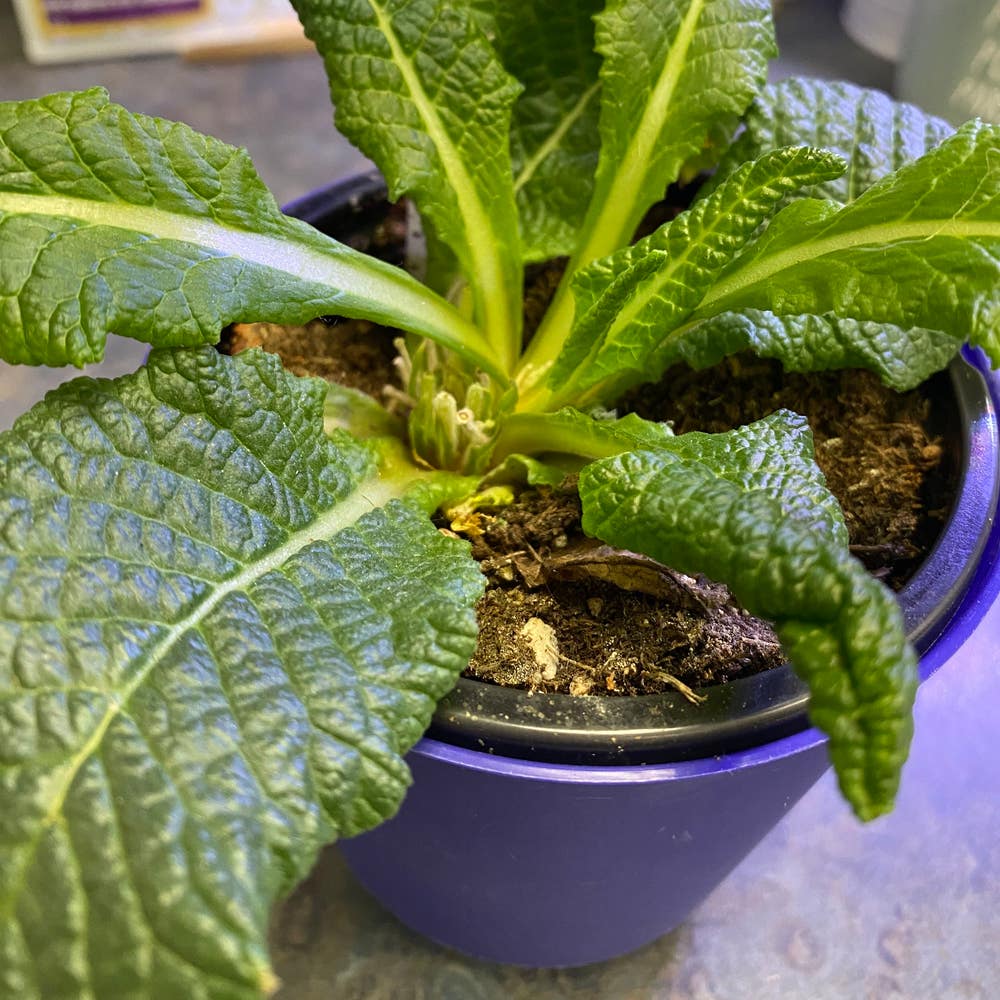
Ultimate Guide for When to Plant Primula obconica 🌸
Primula obconica
By the Greg Editorial Team
Jan 07, 2025•12 min read
This article was created with the help of AI so we can cover more plants for you. May contain errors. See one? Report it here.
Unlock your garden's potential 🌱 by mastering frost dates and soil temperature for thriving Primula obconica!
- 🌡️ Know your frost dates to plant Primula obconica safely and avoid damage.
- 🌱 Ideal soil temperature for planting is 60°F to 70°F (15°C to 21°C).
- 🌞 Optimal day length for growth is 12 to 14 hours of light.
Importance of Frost Dates
Understanding frost dates is crucial for successful gardening. These dates mark the last frost in spring and the first frost in fall, acting as a guide for when to plant your Primula obconica.
🌱 Impact on Planting
Knowing your local frost dates helps you determine the safest time to plant. Planting too early can expose young plants to frost damage, while waiting too long may shorten the growing season.
📅 How to Find Local Frost Dates
Finding local frost dates is easier than you might think. Utilize resources like local agricultural extensions, gardening websites, or even apps that provide frost date information tailored to your area.
By keeping an eye on these dates, you can ensure your plants thrive and bloom beautifully. Now that you understand frost dates, let’s explore how soil temperature plays a vital role in planting success.
Soil Temperature Considerations
Ideal Soil Temperature for Planting 🌱
For successful planting of Primula obconica, the ideal soil temperature ranges from 60°F to 70°F (15°C to 21°C). This temperature range is crucial as it promotes optimal germination and healthy plant growth.
Methods to Measure Soil Temperature 🌡️
To accurately measure soil temperature, a soil thermometer is your best friend. Insert it into the soil at the depth where you plan to plant, and wait a few minutes for an accurate reading.
Best Practices for Measuring 📏
- Choose the Right Time: Measure soil temperature in the morning when the soil is cool.
- Multiple Locations: Check several spots in your garden to get an average reading.
Importance of Soil Temperature 🔥
Soil temperature significantly affects germination rates and overall plant health. If the soil is too cold, seeds may rot instead of sprouting, while excessively warm soil can stress young plants.
Conclusion 📝
Understanding soil temperature is essential for timing your planting correctly. By keeping an eye on this factor, you can ensure a thriving garden filled with beautiful Primula obconica.
Next, let’s explore how day length influences the growth and flowering of these lovely plants.
Day Length and Growth
🌅 Understanding Photoperiod
Photoperiod refers to the length of time each day that plants are exposed to light. This exposure significantly influences flowering and overall growth, making it a crucial factor in gardening.
⏰ Ideal Day Length for Optimal Growth
For Primula obconica, the ideal day length is between 12 to 14 hours of light. This duration encourages robust growth and vibrant blooms, ensuring your plants thrive.
🍂 Seasonal Variations
As seasons change, so do day lengths, which can affect your planting schedule. Be mindful of these variations to optimize your planting times and ensure your plants receive the light they need to flourish.
Understanding these aspects of day length will help you make informed decisions about when to plant. With the right timing, your Primula obconica can reach its full potential, leading to a beautiful garden display.
Next, let’s explore the regional planting considerations to tailor your planting strategy based on your location.
Regional Planting Considerations
Florida 🌴
The best time to plant Primula obconica in Florida is from September to November for fall planting and February to March for spring planting. The warm climate allows for a longer growing season, but be mindful of potential early frosts that can catch you off guard.
California 🌞
In California, aim to plant from September to November for fall and February to March for spring. The mild winters and extended growing season create ideal conditions for these vibrant flowers.
Texas 🤠
Texas gardeners should plan to plant Primula obconica from September to October for fall and February to March for spring. The state's varied climate zones mean that local conditions can greatly influence your planting schedule.
New York 🍎
For New Yorkers, the optimal planting window is from April to May for spring planting. Cold winters and late frost dates necessitate patience, but the reward is worth the wait.
Colorado 🏔️
In Colorado, late April to early June is the best time for spring planting. High elevation and unpredictable weather patterns can complicate things, so keep an eye on local forecasts.
Ohio 🌽
Ohio residents should target April to May for spring planting. The state’s cold winters and moderate climate make this timeframe ideal for ensuring healthy growth of your Primula obconica.
Understanding these regional planting considerations is crucial for successful gardening. By aligning your planting schedule with local conditions, you can maximize the health and beauty of your Primula obconica. Next, let’s explore seed starting techniques to give your plants the best possible start.
Seed Starting Techniques
🌱 Indoor Seed Starting vs. Direct Sowing
Starting seeds indoors offers several advantages. You can enjoy a longer growing season and maintain better control over environmental conditions.
On the other hand, direct sowing is simpler and minimizes transplant shock. It allows seeds to germinate right where they will grow, making it a straightforward option for many gardeners.
⏰ Timing Considerations for Starting Seeds Indoors
- Start seeds indoors: Aim for 6-8 weeks before the last expected frost date. This timing gives your plants a head start.
- Optimal indoor conditions: Maintain temperatures between 70°F to 75°F (21°C to 24°C) and ensure they receive adequate light. This environment promotes healthy growth and robust seedlings.
🌍 Timing Considerations for Direct Sowing
- Wait until soil temperature reaches 60°F (15°C): This temperature is crucial for seed germination.
- Best time for direct sowing: Plant seeds after the last frost date in your area. This ensures that your seeds have the best chance of thriving without the risk of frost damage.
Understanding these seed starting techniques can significantly impact your gardening success. With the right timing and methods, you can cultivate healthy Primula obconica plants that flourish in your garden.
Next, we’ll explore comprehensive planting guides tailored to different regions, ensuring you know exactly when to plant based on your location.
Comprehensive Planting Guide
List of All 52 States and Optimal Planting Times 🌱
Understanding when to plant Primula obconica varies significantly across the United States. Here’s a detailed table outlining the recommended planting months for each state, taking into account regional climates and frost dates.
| State | Optimal Planting Months |
|---|---|
| Alabama | March to April |
| Alaska | June to July |
| Arizona | September to November |
| Arkansas | March to April |
| California | September to November |
| Colorado | Late April to early June |
| Connecticut | April to May |
| Delaware | April to May |
| Florida | September to November |
| Georgia | March to April |
| Hawaii | Year-round |
| Idaho | April to May |
| Illinois | April to May |
| Indiana | April to May |
| Iowa | April to May |
| Kansas | April to May |
| Kentucky | April to May |
| Louisiana | September to November |
| Maine | May to June |
| Maryland | April to May |
| Massachusetts | April to May |
| Michigan | April to May |
| Minnesota | May to June |
| Mississippi | March to April |
| Missouri | April to May |
| Montana | Late May to early June |
| Nebraska | April to May |
| Nevada | September to November |
| New Hampshire | May to June |
| New Jersey | April to May |
| New Mexico | September to November |
| New York | April to May |
| North Carolina | March to April |
| North Dakota | May to June |
| Ohio | April to May |
| Oklahoma | March to April |
| Oregon | April to May |
| Pennsylvania | April to May |
| Rhode Island | April to May |
| South Carolina | March to April |
| South Dakota | May to June |
| Tennessee | March to April |
| Texas | September to October |
| Utah | April to May |
| Vermont | May to June |
| Virginia | April to May |
| Washington | April to May |
| West Virginia | April to May |
| Wisconsin | May to June |
| Wyoming | Late May to early June |
This table serves as a quick reference to help you determine the best planting times based on your location.
Summary of Key Factors for Successful Planting 🌼
To ensure a thriving garden, consider these critical factors:
- Frost Dates: Knowing the last frost date in spring and the first frost date in fall is essential for timing your planting.
- Soil Temperature: Aim for a soil temperature between 60°F and 70°F (15°C to 21°C) for optimal germination and plant health.
- Day Length: Primula obconica thrives with 12-14 hours of light, making it vital to consider seasonal variations in day length.
Following a planting calendar that incorporates these elements will significantly enhance your chances of success. By being mindful of frost dates, soil temperature, and day length, you can cultivate a flourishing garden that brings joy and beauty to your space.
As you prepare to plant, remember that timing is everything. With the right knowledge and a little patience, your Primula obconica will thrive beautifully!
⚠️ Safety First
This content is for general information and may contain errors, omissions, or outdated details. It is not medical, veterinary advice, or an endorsement of therapeutic claims.
Always consult a qualified healthcare professional before using any plant as food, medicine, or supplement.
Never eat any plant (or feed one to pets) without confirming its identity with at least two trusted sources.
If you suspect poisoning, call Poison Control (800) 222-1222, the Pet Poison Helpline (800) 213-6680, or your local emergency service immediately.
Spotted an error? Please report it here.
Cultivate a vibrant garden 🌼 of Primula obconica by mastering planting timing with Greg's personalized reminders and expert tips to ensure your plants thrive!