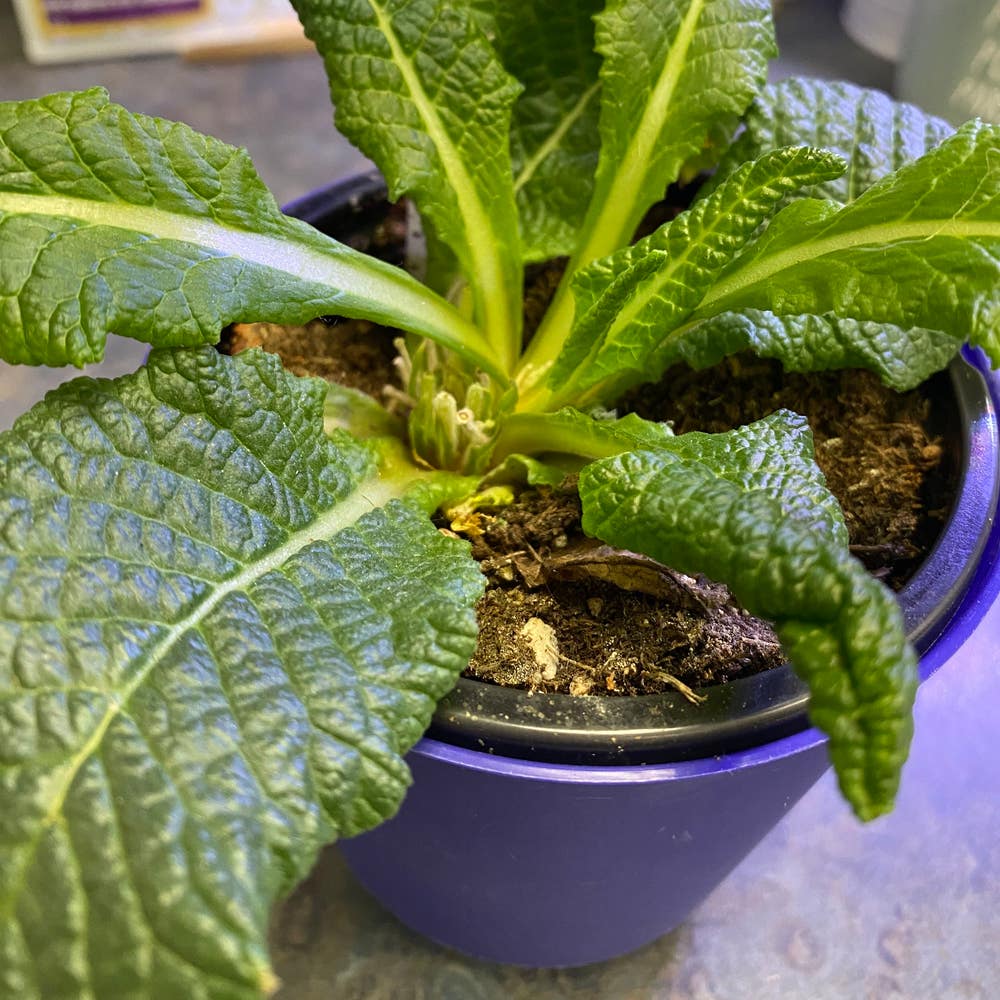
Primula obconica Is a Garden Plant, Not a Weed 🌸
Primula obconica
By the Greg Editorial Team
Jan 07, 2025•6 min read
This article was created with the help of AI so we can cover more plants for you. May contain errors. See one? Report it here.
Transform your garden with Primula obconica 🌼, a stunning non-invasive plant that supports local ecosystems effortlessly! 🌱
- 🌼 Primula obconica is a non-invasive garden plant, perfect for eco-friendly gardening.
- 🌱 Blooms from spring to summer, attracting pollinators and enhancing garden aesthetics.
- 🌳 Thrives in partial shade and well-drained soil, ideal for diverse garden settings.
Plant Classification
Definition of Invasive Species 🌱
Invasive species are non-native plants that spread aggressively and disrupt local ecosystems. They often exhibit rapid growth, high reproductive rates, and a lack of natural predators, allowing them to dominate and outcompete native flora.
Characteristics of Primula obconica 🌼
Primula obconica stands out as a non-invasive plant, primarily due to its limited self-seeding ability. This characteristic prevents it from spreading aggressively in gardens.
Its growth habit is clumping rather than sprawling, which helps maintain order and structure in garden designs. Additionally, Primula obconica thrives in specific conditions, such as well-drained soil and partial shade, which further restricts its spread and makes it a manageable choice for gardeners.
This adaptability not only enhances its appeal but also ensures it coexists harmoniously with other plants in the garden. By understanding these traits, gardeners can appreciate Primula obconica as a valuable addition rather than a potential threat.
As we delve deeper into its growth habits, we’ll explore how these characteristics contribute to its suitability in various garden settings.
Growth Habits
🌱 Typical Growth Patterns in Gardens
Primula obconica exhibits a charming clumping growth habit, reaching heights of 12 to 18 inches. This makes it an excellent choice for various garden designs, adding structure and beauty without overwhelming other plants.
Its flowering period spans from early spring to late summer, ensuring that your garden remains vibrant and visually interesting for months. The colorful blooms not only enhance the aesthetic appeal but also attract pollinators, enriching the garden ecosystem.
🚧 Natural Limits to Growth and Spread Potential
Several factors limit the growth and spread of Primula obconica, making it a manageable addition to any garden. It thrives best in well-drained soil and partial shade, conditions that naturally restrict its expansion.
Additionally, Primula obconica lacks aggressive self-seeding behavior, which means it won't take over your garden. These characteristics make it an ideal choice for gardeners looking for beauty without the worry of invasive tendencies.
In summary, the natural limits of Primula obconica ensure it remains a delightful and controlled presence in your garden, allowing you to enjoy its beauty without the hassle of aggressive growth. Next, let’s explore the ecological role this plant plays in enhancing garden biodiversity.
Ecological Role
Benefits in Gardens 🌼
Primula obconica plays a vital role in enhancing biodiversity within garden ecosystems. By attracting pollinators like bees and butterflies, it not only beautifies the space but also supports the health of local flora.
Additionally, this plant provides essential habitat and food sources for beneficial insects. These interactions create a thriving environment that fosters ecological balance.
Positive Interactions with Local Wildlife 🦋
The presence of Primula obconica encourages positive interactions with local wildlife. Its flowers serve as a reliable food source for pollinators, promoting their populations and, in turn, benefiting the entire garden.
Moreover, its compatibility with native plants helps create a harmonious ecosystem. This synergy supports a diverse range of wildlife, ensuring that your garden is not just a visual delight but also a sanctuary for nature.
Incorporating Primula obconica into your garden design is a step toward nurturing a balanced ecosystem. As we explore further, we'll look at how to effectively manage this plant for aesthetic purposes while maintaining its ecological benefits.
Garden Management
Incorporating into Garden Designs 🌳
Primula obconica thrives in shaded areas, making it a perfect choice for woodland gardens. Its clumping growth habit allows it to fit seamlessly into various garden designs, adding texture and color without overwhelming other plants.
Pairing Primula obconica with other perennial plants can create a stunning layered effect. Consider combining it with ferns or hostas to enhance the visual appeal and maintain a vibrant garden throughout the seasons.
Controlling Growth for Aesthetic Purposes ✂️
To keep your Primula obconica looking its best, regular deadheading is essential. This practice encourages continuous blooming and prevents unwanted seed formation, ensuring a tidy appearance.
Dividing clumps every few years is another effective maintenance strategy. This not only helps manage space but also promotes vigor, allowing your plants to flourish and contribute to a lively garden atmosphere.
Incorporating these simple garden management techniques will ensure that Primula obconica remains a delightful addition to your landscape. With its manageable growth and aesthetic appeal, it can enhance your garden while supporting local wildlife.
Comparison to Other Plants
🌼 Similar Non-Invasive Plants
When considering non-invasive flowering plants, Primula vulgaris and Heuchera stand out as excellent companions to Primula obconica. These shade-loving perennials share similar growth habits and environmental preferences, making them ideal for creating harmonious garden spaces.
Primula vulgaris, known for its charming yellow flowers, thrives in similar conditions and adds a splash of color to shaded areas. Heuchera, with its stunning foliage and delicate blooms, complements the vibrant flowers of Primula obconica beautifully.
🌟 Unique Qualities and Benefits
Primula obconica boasts distinct features that set it apart from other non-invasive plants. Its colorful blooms, which can range from soft pastels to vibrant hues, provide a delightful visual treat from early spring to late summer.
Additionally, its low growth habit allows it to fit seamlessly into various garden designs. It can fill gaps without overshadowing taller plants, creating a layered effect that enhances the overall aesthetic of your garden. This versatility makes Primula obconica a valuable addition to any planting scheme.
Incorporating these non-invasive plants not only beautifies your garden but also supports local ecosystems. By choosing plants like Primula obconica, you contribute to a balanced environment that benefits both wildlife and your garden's visual appeal.
As we explore further, let’s delve into the legal and environmental considerations surrounding the planting of Primula obconica.
Legal and Environmental Considerations
🌱 Classifications and Guidelines
When considering planting Primula obconica, it's essential to be aware of local regulations. Some regions may have specific guidelines regarding the introduction of non-native plants, even if they are not classified as invasive.
Sourcing your plants from reputable nurseries is crucial. This practice helps prevent the introduction of pests and diseases that could harm your garden and local ecosystems.
♻️ Role in Sustainable Gardening Practices
Incorporating non-invasive plants like Primula obconica into your garden design supports sustainable gardening practices. These plants enhance biodiversity while minimizing the risk of disrupting local habitats.
By thoughtfully selecting plants, you contribute to ecological balance and support local wildlife. This approach not only beautifies your garden but also fosters a thriving environment for pollinators and beneficial insects.
As you plan your garden, remember that every choice counts. Embracing non-invasive species can lead to a more vibrant and sustainable landscape.
⚠️ Safety First
This content is for general information and may contain errors, omissions, or outdated details. It is not medical, veterinary advice, or an endorsement of therapeutic claims.
Always consult a qualified healthcare professional before using any plant as food, medicine, or supplement.
Never eat any plant (or feed one to pets) without confirming its identity with at least two trusted sources.
If you suspect poisoning, call Poison Control (800) 222-1222, the Pet Poison Helpline (800) 213-6680, or your local emergency service immediately.
Spotted an error? Please report it here.
Enjoy the beauty of Primula obconica 🌼 while Greg helps you thrive with tailored care reminders that keep your garden vibrant and buzzing with pollinators!