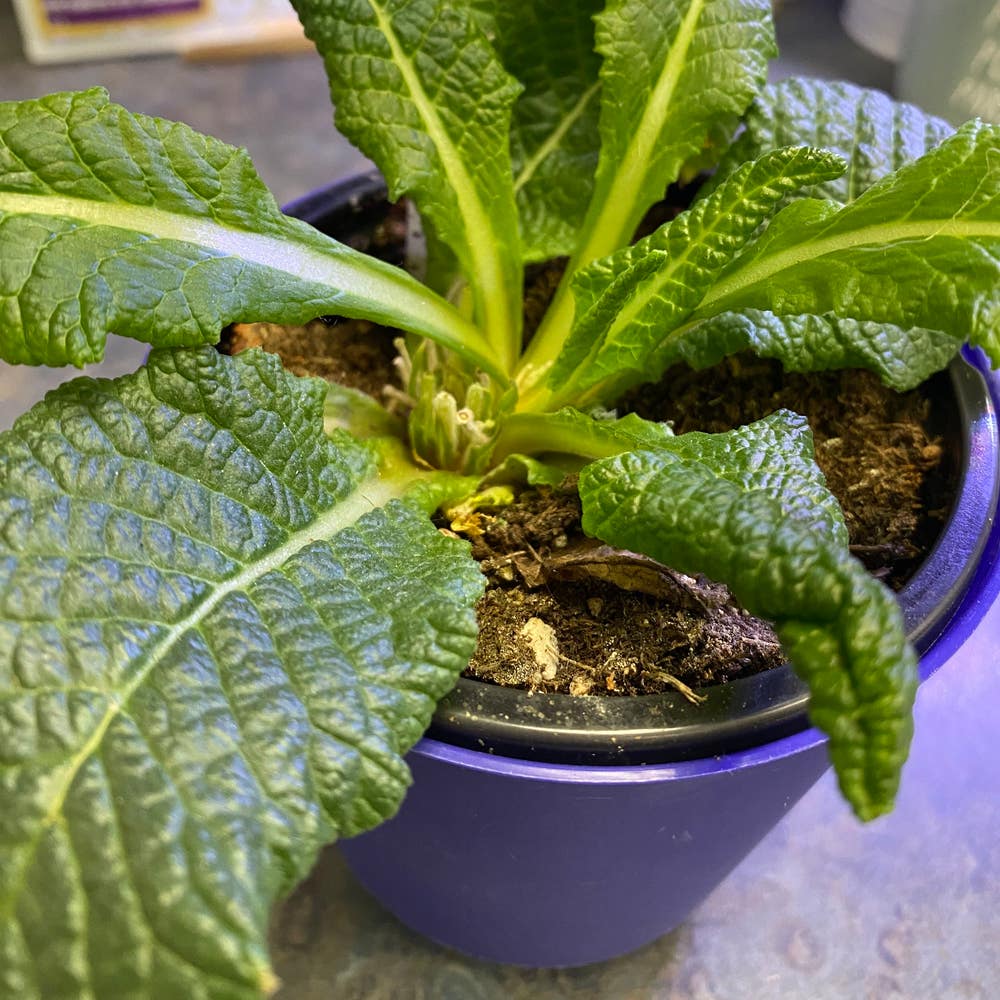
🌸 Primula obconica Roots 101
Primula obconica
By the Greg Editorial Team
Jan 07, 2025•6 min read
This article was created with the help of AI so we can cover more plants for you. May contain errors. See one? Report it here.
Discover how to nurture your Primula obconica 🌱 by mastering its unique root growth patterns for vibrant blooms! 🌼
- 🌱 Primula obconica has shallow roots, requiring consistent moisture and nutrients for health.
- 💧 Water every 5-7 days and check soil moisture to prevent root rot.
- 🌿 Healthy roots are crucial for propagation; monitor for signs of rootbound conditions.
Root Growth Patterns
Type and Characteristics 🌱
Primula obconica features a fibrous root system, which is essential for its growth. This type of root system consists of a dense network of thin roots that significantly enhance the plant's ability to absorb nutrients and water efficiently.
Depth and Spread 📏
The roots of Primula obconica typically grow shallow, extending 6-12 inches below the soil surface. They can spread horizontally up to 12-18 inches, depending on the pot size and soil conditions, allowing for ample nutrient uptake.
Growth Patterns and Care Implications 🧑🌾
In optimal conditions, these plants exhibit rapid root development. However, this also means they require consistent moisture and nutrient availability due to their shallow roots, making proper care crucial for their health and vitality.
Understanding these growth patterns can help you provide the best care for your Primula obconica, ensuring they thrive in your home or garden.
Care Practices Influenced by the Root System
💧 Watering Techniques and Frequency
Proper watering is crucial for the health of Primula obconica. Aim to water every 5-7 days, allowing the top inch of soil to dry out between waterings to prevent root rot.
To ensure you're watering effectively, consider using a moisture meter. This handy tool helps gauge soil moisture levels, ensuring your plant gets just the right amount of water.
🌱 Fertilizing Methods and Timing
Fertilization plays a key role in supporting robust growth. During the growing season, typically from spring to early fall, fertilize your Primula obconica monthly.
Opt for balanced, water-soluble fertilizers. These types are ideal for optimal nutrient uptake, helping your plant thrive.
🌍 Transplanting Considerations and Best Practices
Transplanting may become necessary if you notice rootbound conditions or soil depletion. Recognizing these signs early can help maintain your plant's health.
When it's time to transplant, follow these best practices:
- Choose a slightly larger pot with drainage holes to promote healthy growth.
- Gently loosen the root ball without damaging the roots to minimize stress.
- Fill the new pot with fresh potting mix and water thoroughly after transplanting to help settle the soil.
These care practices are essential for nurturing your Primula obconica and ensuring its vibrant growth. Next, let’s explore common root-related issues that can arise and how to address them effectively.
Common Root-Related Issues
Identifying Root Rot and Prevention Strategies 🦠
Root rot can be a sneaky problem for Primula obconica, often showing symptoms like yellowing leaves and wilting, even when you're watering adequately. If you notice a foul odor emanating from the soil, it’s a clear sign that root rot may be at play.
To prevent this issue, focus on creating a healthy environment for your plant. Ensure you use well-draining soil to avoid water accumulation, and be cautious not to overwater. Always opt for pots with drainage holes to facilitate proper water flow.
Solutions for Unhealthy Roots 🛠️
If you suspect your plant has unhealthy roots, it’s time to take action. Start by carefully removing the plant from its pot and inspecting the roots for any signs of damage.
Trim away any black or mushy roots that indicate rot. After that, repot your Primula obconica in fresh, dry soil, and adjust your watering schedule to prevent future issues. This proactive approach can help restore your plant's health and vitality.
Indicators of Root Health
👀 Visual Cues for Healthy Roots
Healthy roots are the backbone of thriving plants. Look for roots that are firm, with a white or light tan color, indicating vitality and a strong, fibrous structure.
🚨 Signs of Unhealthy Roots and Corrective Actions
Unhealthy roots can spell trouble for your plant. Indicators include a dark, mushy texture, foul smells, and stunted growth.
If you notice these signs, it’s time to take action. Start by adjusting your watering practices to prevent over-saturation, improve drainage, and consider repotting to give your plant a fresh start.
By keeping an eye on these root health indicators, you can ensure your Primula obconica remains vibrant and flourishing. Next, let’s explore common root-related issues that may arise and how to tackle them effectively.
Rootbound Plants
Definition and Recognition 🌱
Rootbound plants are those whose roots have grown in a circular pattern around the pot. This condition restricts growth and limits nutrient uptake, which can lead to a host of problems.
Signs that your plant is rootbound include roots poking out of the drainage holes, stunted growth, and poor water retention. If you notice these symptoms, it’s time to take action.
Addressing Rootbound Issues ⚒️
Intervention is crucial when you see signs of stunted growth or roots surfacing. Addressing rootbound conditions promptly can rejuvenate your plant and promote healthy growth.
To resolve rootbound issues, follow these steps:
- Carefully remove the plant from its pot.
- Gently tease apart the roots to encourage outward growth.
- Repot into a larger container filled with fresh soil.
Taking these steps can significantly improve your plant's health and vitality. Remember, a little care goes a long way in ensuring your Primula obconica thrives!
Propagation and Division
Importance of Root Health 🌱
Healthy roots are the backbone of successful plant propagation. They ensure strong growth and resilience in new plants, allowing them to thrive in their new environments.
Techniques for Dividing While Maintaining Root Integrity ✂️
Dividing plants can be a rewarding experience, but it requires careful handling to maintain root integrity. Follow these steps for effective division:
Water the plant thoroughly a day before division. This helps to hydrate the roots and makes the process easier.
Carefully remove the plant from the pot and separate the root clumps. Take your time to avoid damaging the roots during this process.
Ensure each division has a healthy portion of roots and foliage. This balance is crucial for the new plants to establish themselves successfully.
Replant divisions in suitable pots with fresh potting mix. Choose pots that allow for growth and provide good drainage.
By following these techniques, you can propagate your Primula obconica with confidence, ensuring each new plant has the best chance to flourish.
As you embark on this propagation journey, remember that healthy roots lead to vibrant plants. Now, let’s explore how to recognize and address rootbound conditions to keep your plants thriving.
⚠️ Safety First
This content is for general information and may contain errors, omissions, or outdated details. It is not medical, veterinary advice, or an endorsement of therapeutic claims.
Always consult a qualified healthcare professional before using any plant as food, medicine, or supplement.
Never eat any plant (or feed one to pets) without confirming its identity with at least two trusted sources.
If you suspect poisoning, call Poison Control (800) 222-1222, the Pet Poison Helpline (800) 213-6680, or your local emergency service immediately.
Spotted an error? Please report it here.
Master the care of your Primula obconica's roots 🌱 with Greg's tailored watering reminders and moisture meter tips to keep your plant thriving and root rot at bay!